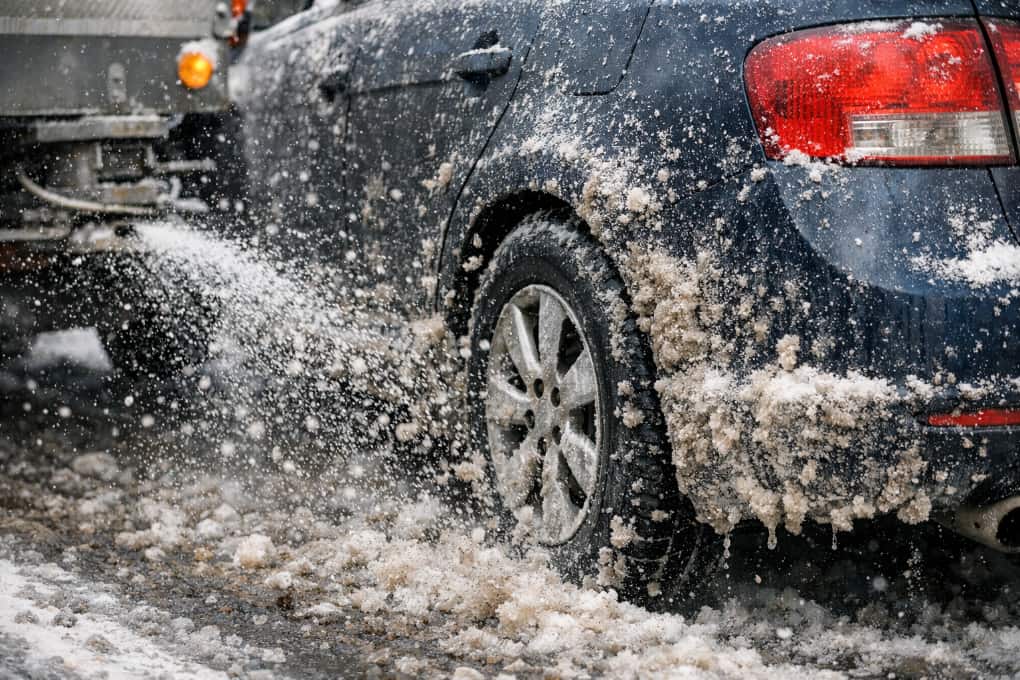
When winter hits, most drivers focus on visibility, tires, and traction. What often goes unnoticed is the silent damage happening underneath and across your vehicle’s surface. Road salt and ice are essential for safer travel, but they can significantly shorten the lifespan and appearance of your car if left unmanaged.
Understanding what is really happening can help you make smarter decisions about protection and maintenance.
Why Road Salt Is So Damaging
Road salt, typically sodium chloride, lowers the freezing point of water and helps prevent ice from forming. In colder regions, calcium chloride and magnesium chloride are also used because they remain effective at lower temperatures.
While this improves road safety, salt becomes highly corrosive when mixed with water. That salty solution clings to your car’s surface and begins breaking down protective layers.
The Impact on Your Paintwork
Your car’s paint system includes a base coat and a clear coat. The clear coat is designed to protect against environmental exposure. Salt gradually erodes this protective barrier.
Over time, you may notice:
- Dulling or fading of the paint
- Increased susceptibility to scratches
- Clear coat peeling
- Staining or etching on the surface
Once the clear coat is compromised, the paint beneath becomes vulnerable. Chips and minor damage become more serious problems because moisture can penetrate deeper layers.
Rust and Corrosion Beneath the Surface
The most serious issue caused by road salt is corrosion. Salt accelerates oxidation, which is the chemical reaction that creates rust when metal is exposed to moisture and oxygen.
Areas most at risk include:
- Wheel arches
- Undercarriage
- Brake lines
- Suspension components
- Door sills
Rust does not just affect appearance. It weakens structural components and can lead to expensive mechanical repairs. In severe cases, corrosion can compromise safety.
Ice Makes the Problem Worse
Ice itself is not chemically harmful, but it contributes to the problem in two important ways.
First, melting ice keeps your vehicle wet for extended periods. Prolonged moisture exposure gives salt more time to react with metal surfaces.
Second, ice often traps salt and debris against your car. Packed snow inside wheel wells or underneath the chassis creates a corrosive environment that remains active long after you have parked.
Why Regular Washing Is Not Always Enough
Many drivers assume that running their car through a wash occasionally solves the issue. Washing is essential, but it must be thorough and consistent.
Salt accumulates in hard-to-reach areas. A quick rinse may remove visible grime while leaving corrosive residue behind. Undercarriage cleaning is particularly important during the winter months, as this is where most long-term damage begins.
A Proactive Approach to Winter Protection
If you live in a region with heavy winter salting, prevention is more cost-effective than repair. Protective solutions such as paint protection film create a barrier between your vehicle and the elements.
Investing in affordable paint protection film in Calgary can help shield vulnerable areas like the bonnet, bumpers, and side panels from salt spray, gravel, and debris. This type of protection not only preserves the appearance of your car but also helps maintain its resale value over time.
By preventing chips and surface damage, you reduce the likelihood of moisture reaching exposed metal and triggering corrosion.
Smart Winter Habits to Reduce Damage
Beyond professional protection, consistent habits make a noticeable difference:
- Wash your vehicle every one to two weeks during peak winter conditions
- Choose washes that include underbody cleaning
- Remove packed snow from wheel wells
- Inspect paint chips and repair them quickly
- Avoid parking near large snow piles that contain concentrated salt
Small actions taken consistently can significantly extend the life of your vehicle’s exterior.
Protecting Your Investment
Road salt and ice are unavoidable parts of winter driving. However, the damage they cause is not inevitable. With proper awareness, regular maintenance, and protective solutions such as affordable paint protection film in Calgary, you can minimize corrosion, preserve your paintwork, and keep your car looking newer for longer.
Winter may be harsh, but with the right approach, your vehicle does not have to suffer because of it.