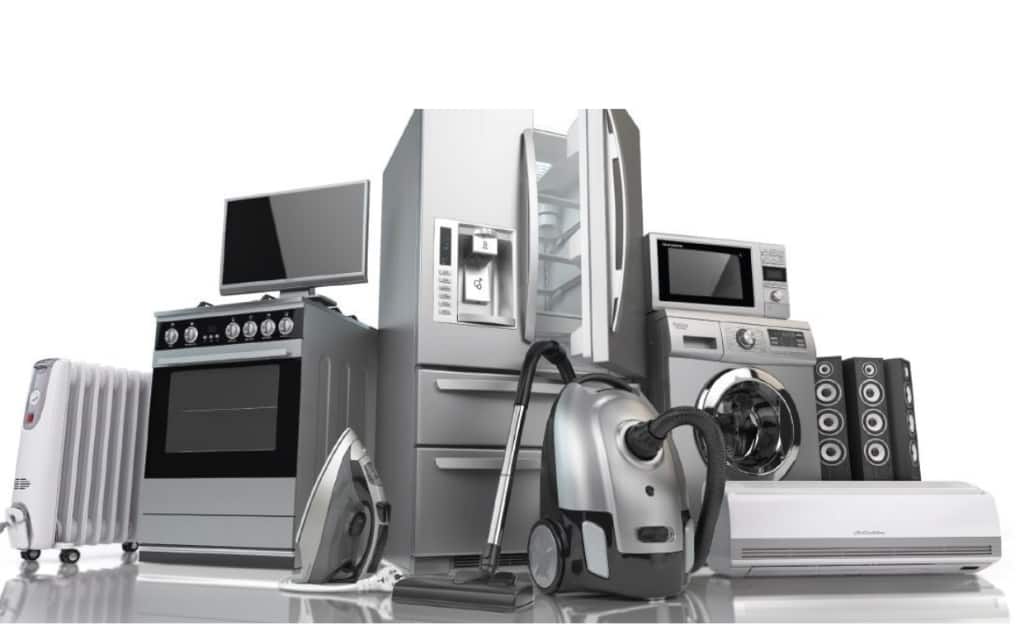
Toronto weather has a personality problem. Winter is dry and brutal, spring is wet and moody, summer turns your kitchen into a sauna, and fall pretends to be mild right before the temperature drops overnight. People feel it in their joints and their moods. Appliances feel it too, just less dramatically and more expensively.
If you’ve ever had a fridge act strange during a heat wave or a dryer suddenly take forever in February, that’s not random bad luck. Local repair teams like Alpha Appliance, who work on household appliances across Toronto every day, see the same seasonal patterns year after year. Different month, same failures.
Appliances don’t fail randomly, they get stressed
Most breakdowns don’t come out of nowhere. Machines rarely go from perfect to dead in one moment. What usually happens is stress builds up. Temperature swings. Humidity shifts. Longer runtimes. Poor airflow. Extra electrical load. Small weaknesses get exposed.
Appliances are designed for operating ranges. Toronto regularly pushes outside those ranges. That doesn’t guarantee failure, but it absolutely increases wear.
You can think of it like city driving vs highway driving. Same car, very different strain.
Winter is harder on laundry and ventilation than people expect
People assume summer is the toughest season for appliances. Not always. Winter quietly causes a different kind of damage.
Dry indoor air plus constant heating changes how materials behave. Rubber seals stiffen. Plastic gets brittle. Ventilation becomes more important because windows stay closed for months.
Dryers work overtime in winter. Heavy fabrics, wet snow gear, extra loads. If your dryer suddenly needs two cycles instead of one, most people blame the machine. Often it’s airflow. Lint buildup plus restricted vent paths show up fast this time of year.
Washers deal with colder incoming water too. That affects cycle time and detergent performance. It’s subtle, but noticeable if you pay attention.
Garage fridges and basement freezers have their own winter problems
This one surprises people. A refrigerator in a cold garage can actually malfunction because it’s too cold. Some units rely on ambient temperature ranges to regulate properly. When the surrounding air drops too low, sensors behave oddly and freezer performance can swing.
It sounds counterintuitive, but repair techs see it every winter.
Spring brings moisture and weird smells
Spring in Toronto is basically damp plus mud plus temperature mood swings. That moisture gets into places you don’t think about.
Dishwashers start smelling off. Not broken, just not drying fully in a more humid indoor environment. Filters that were “fine enough” all winter suddenly aren’t.
Fridges and freezers deal with condensation as warm air sneaks in during temperature swings. If your door seal is even slightly worn, you’ll see more frost or little water pools. People jump straight to “major issue.” Half the time it’s a gasket or alignment fix.
Summer is refrigerator stress season
If one appliance has a least favorite season, it’s the fridge in July.
Hot kitchen. High humidity. Constant door opening. Warm groceries getting loaded in. The compressor barely gets a break. You may notice it running louder or longer. That part is normal. What’s not normal is temperature drift or frequent clicking.
Common summer complaints look like this:
- fridge feels cool, not cold
- freezer is inconsistent
- ice maker slows down
- drinks aren’t as cold as usual
During heat waves, appliance repair companies get a spike in fridge calls. Not because units are poorly made, but because conditions are harsh.
Airflow matters more than people think
Here’s an unsexy truth. A lot of appliance problems are airflow problems.
Fridges packed tight into cabinetry with dust-covered coils behind them run hotter. Dryers with crushed vent hoses run longer. Ovens with blocked vents behave unpredictably.
No fancy tech solution here. Just space and cleaning. Boring, effective stuff.
Summer power load isn’t gentle either
Add window A/C units, portable air conditioners, dehumidifiers, and fans into the mix and your home’s electrical load changes. Sensitive components notice. Not instantly, but over time.
It’s another reason why borderline parts tend to fail during weather extremes instead of mild months.
Fall is when cooking exposes hidden problems
Fall is when people cook again. Really cook. Baking, roasting, longer stovetop use.
Burners that were “a little slow” become clearly faulty. Ovens that ran unevenly all year suddenly ruin a meal and force the issue. It’s a classic shoulder-season pattern: increased usage reveals problems that were already there.
Heating season also dries indoor air again, and older seals and hoses sometimes start leaking right around this time.
A few habits that actually help
No complicated checklist. Just practical stuff.
Twice a year is enough for most homes:
- vacuum dust around fridge coils
- check door seals for cracks or looseness
- clean dishwasher filters
- make sure dryer vents are flowing well
Also, listen to your machines. New noise, longer cycles, small leaks, temperature drift. These are early signals, not background noise.
Repair versus replace, the real-world version
People want a simple rule, but it’s always situational.
Newer appliance plus moderate repair cost? Usually fix it.
Older unit plus major component failure? Maybe replace.
High-end model with good parts availability? Lean repair.
Good repair technicians, the honest kind, look at age, failure type, parts cost, and risk of repeat issues before advising.
The pattern is predictable, even if the weather isn’t
Toronto weather will keep being dramatic. That part won’t change. But appliance stress patterns are surprisingly consistent. Winter hits airflow and materials. Spring brings moisture issues. Summer stresses cooling systems. Fall exposes cooking and seal problems.
Once you see the pattern, breakdowns feel less mysterious. And with a bit of seasonal attention and timely repair, most appliances last longer than people expect, without the emergency weekend panic call.