Home environments play a pivotal role in our overall health and well-being. However, lurking within numerous dwellings is a common and potentially harmful substance: mold. This seemingly innocuous presence can have profound impacts on chronic health conditions, often going unnoticed until significant symptoms arise. Understanding the connection between household mold and health issues is crucial for prevention and effective management. This exploration seeks to illuminate the pervasive nature of mold in homes and its associated health risks.
Understanding the Prevalence of Mold
Mold can be found in various areas of the home, particularly in spaces that experience excess moisture. Notably, basements are a primary breeding ground for mold development. Studies have indicated that over 60% of basements are affected by some form of mold growth. This high incidence rate highlights the need for increased vigilance in maintaining these areas free of moisture and mold. Failure to manage basements appropriately can lead to severe health repercussions for residents.
Mold thrives in environments where moisture lingers undisturbed. Poor ventilation and humidity levels above 50 percent can further exacerbate mold growth in homes. Homeowners are encouraged to regularly inspect these potential hotspots, such as bathrooms, kitchens, and basements, to ensure they remain mold-free. Mold not only affects the structural integrity of homes but can also have serious health implications if not addressed promptly.
The presence of mold in home environments is often underestimated and goes unaddressed. Regular home maintenance practices, including the use of dehumidifiers and proper ventilation systems, can significantly mitigate mold risks. Simple preventative measures can prevent the escalation of mold-related health issues. Given the high prevalence of mold in specific home areas, addressing these common sources is an effective approach to long-term health maintenance. Improving home environments is paramount in the fight against mold-related health issues.
Mold Exposure and Its Health Implications
Exposure to mold has been linked to a wide array of health problems, particularly chronic respiratory issues. Chronic sinus infections, a common complaint among individuals exposed to mold, may frequently be attributed to mold presence. Recent findings suggest that a staggering 93% of chronic sinus infections are linked to mold exposure. The implication is clear: identifying and remedial actions against mold in the home are necessary preventive health measures. Fostering awareness regarding mold’s impact on respiratory health is crucial for those affected.
Mold exposure is often subtle yet progressively detrimental to health, particularly for individuals with allergies or asthma. People living in mold-infested homes may experience an increase in symptoms such as wheezing, coughing, and difficulty breathing. Proactive health measures, including regular medical checkups and preventive cleaning practices, can help mitigate the adverse health impacts of mold exposure. Encouraging partnerships between healthcare providers and homeowners can foster a healthier living environment.
Understanding the symptoms associated with mold exposure is the first step towards addressing potential health concerns. Individuals experiencing chronic respiratory issues are advised to evaluate their living conditions carefully. Identifying mold-related symptoms early can significantly improve health outcomes. Implementing regular health and environmental checks is beneficial in controlling the possible spread and impact of mold. The correlation between mold exposure and health issues necessitates a multi-faceted approach towards prevention and management.
Effective Strategies for Mold Management
Addressing mold issues in the home involves both preventative strategies and effective remediation techniques. Regular maintenance, such as controlling humidity levels through dehumidifiers and ensuring good ventilation, is essential. Home inspections to identify areas of potential mold growth can forestall health issues before they occur. Implementing these preventive measures can significantly reduce mold exposure and its associated health impacts. Encouraging these practices can foster healthier home environments for all residents.
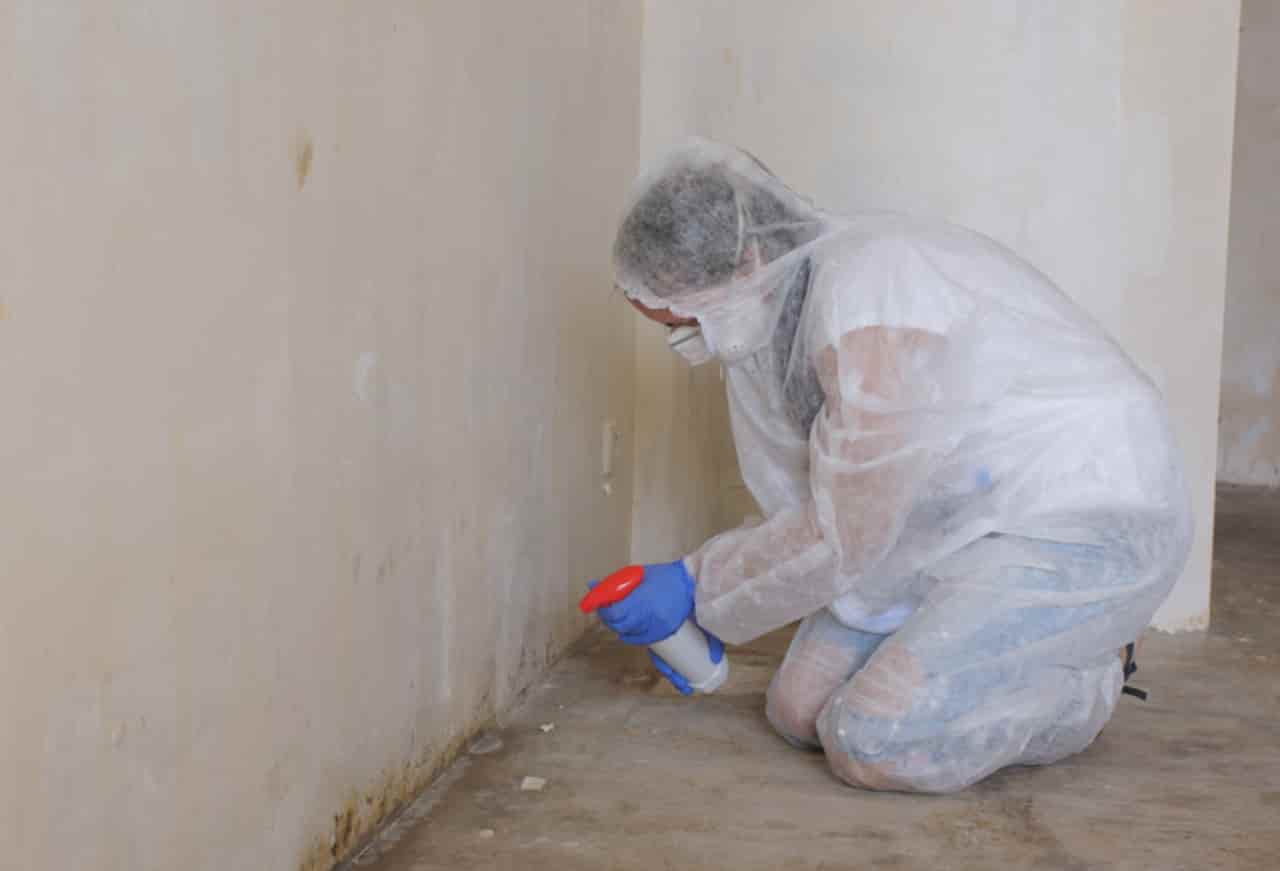
When mold is detected, prompt and thorough remediation is necessary to prevent further health complications. This often involves cleaning affected areas with appropriate mold removal solutions and repairing any water leakage problems. Professional mold removal services may be required for extensive mold infestations. Proactive remediation not only enhances home health conditions but also prevents long-term structural damage. Educating homeowners on effective mold control methods is a vital aspect of public health awareness.
Continuous monitoring and maintenance ensure that homes remain mold-free, safeguarding the health of occupants. Acknowledging the critical connection between mold management and health outcomes can inspire a proactive approach to maintaining home environments. Regular health assessments can complement environmental measures to ensure comprehensive mold management strategies. Homeowners, healthcare providers, and policymakers all have roles to play in addressing the mold and health nexus. An informed public is better equipped to tackle mold exposure challenges effectively.
In conclusion, mold poses significant risks not only to the structural integrity of homes but also to the health of its inhabitants. With a high prevalence in areas like basements, mold can lead to chronic health issues such as sinus infections if not adequately managed. An integrated approach involving awareness, prevention, and remediation is essential for protecting both homes and their occupants from the detrimental effects of mold. Ultimately, fostering healthier living environments contributes to overall well-being and quality of life.