A waiting room gives away the mood fast, even before anyone calls your name. You notice backpacks on chairs, coats folded over arms, and phones open to packed calendars. It feels normal, and that is why the unknown parts can feel oddly loud.
Most first orthodontic visits stay calm once the rhythm becomes familiar and predictable. People usually wonder about timing, comfort, and what the orthodontist is really checking. With a simple map in your head, the appointment often feels lighter and less rushed.
If you like having a familiar reference point, Sun Orthodontist is a good example of how the visit tends to flow. The steps are similar in many clinics, even when the tools and pacing change a bit. You share background details, you gather records, and then you talk through a plan.
Photo by Arvind Philomin
What Happens Before You Even Sit Down
The first stretch can feel like paperwork, yet it is mostly about safety and context. You share health history, dental history, and any bite concerns that have been hanging around. Parents often bring up school routines too, because timing affects the options in a real way.
Money questions also pop up early, and that is honestly a relief for many people. Some offices check insurance first, and others talk through a simple estimate up front. Either way, clarity tends to calm the rest of the visit.
Then records usually come next, and it is often faster than people expect. You might see photos, a digital scan, or X rays, depending on what the orthodontist needs. Recent dental records can help too, and they often save time without changing the appointment vibe.
If you like feeling a little more prepared, a short list can reduce mental clutter. It is not about being perfect, it is just about making the visit smoother. These items often help without adding stress.
- Insurance card and photo ID, because front desk checks are routine
- Current medications and allergies, because that context supports safe care
- Notes on jaw clicking, mouth breathing, or soreness, because those details matter
What The Orthodontist Checks And Why It Matters
Once you are in the chair, the exam usually feels like a careful look plus a normal conversation. The orthodontist checks spacing, bite contact, gum health, and jaw alignment while you relax. They also watch how your teeth meet when you bite down, because pressure patterns tell a story.
You might hear terms like overbite, crossbite, or crowding, and those can sound technical. Still, most orthodontists explain them with simple visuals and plain language. It often clicks when they point to one spot and show what is colliding.
Kids and teens usually get extra timing talk, because growth changes what is possible. The American Association of Orthodontists walks through what a first appointment usually includes, and it is a helpful quick read.
Adults often hear more about gum health and older dental work, because those shape the plan. Crowns, implants, and previous orthodontic care can limit movement, yet progress is still common. It becomes more about steady follow through and sensible tradeoffs.
If you want a low pressure refresher later, it helps to read something short at home. NetNewsLedger has a simple overview that covers common reasons people start treatment and what tools may be used.
Braces, Aligners, And The Plan You Leave With
After the exam, the orthodontist usually talks through what is happening and what can help. Most plans involve braces, clear aligners, or a short phase using another appliance first. The aim is a healthier bite and better function, and looks often come along with it.
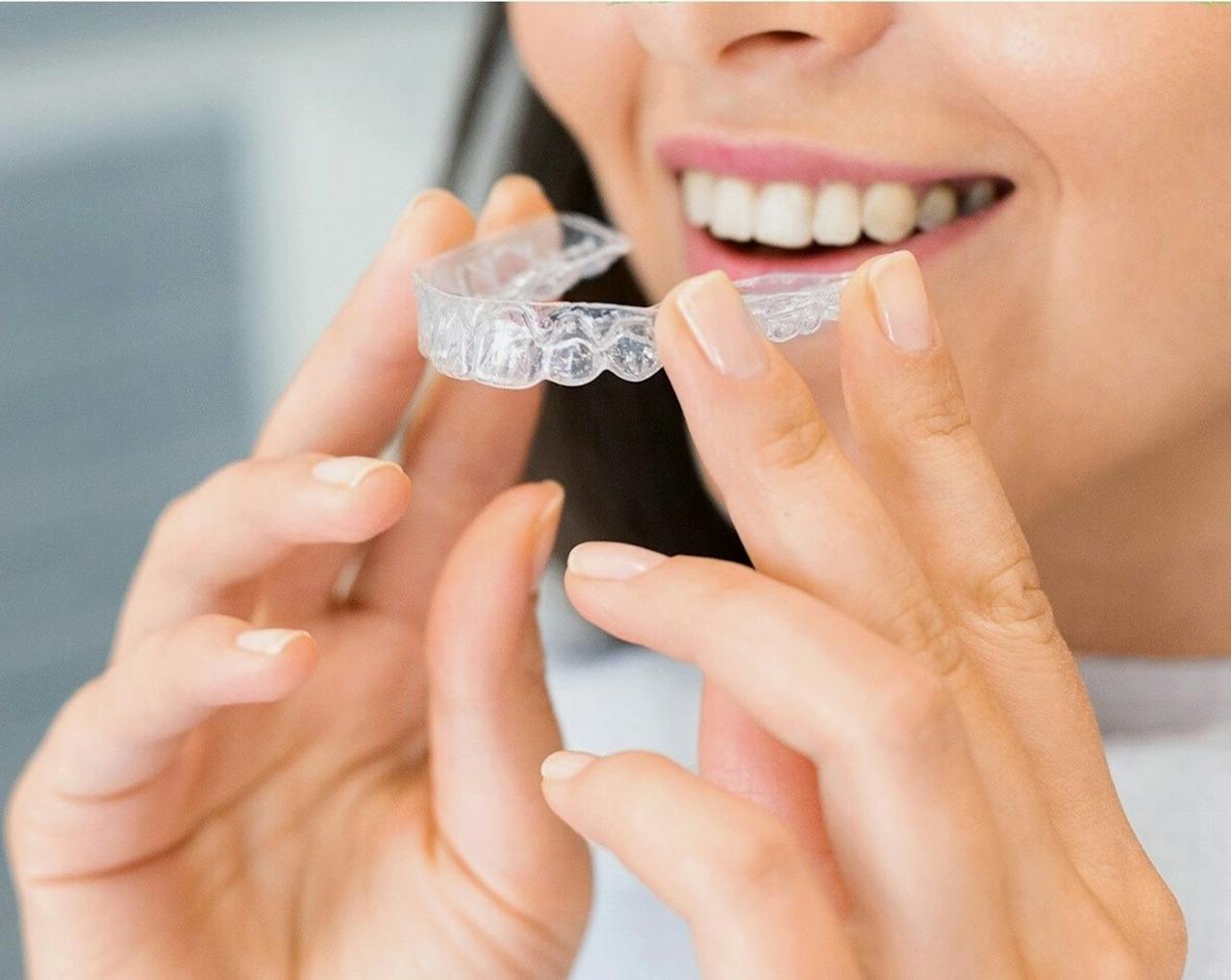
If aligners are an option, the talk often turns to daily habits and wear time. People like them because eating feels easier, and photos feel less awkward. They also require consistency, so the tone is usually honest but still calm.
If braces fit better, you will hear about bracket types, wire changes, and visit timing. Some people like braces because they remove daily decision making and reduce the chance of lost trays. Others prefer aligners for work or sports, and that preference can matter.
Spacing and room in the mouth usually come up next, because crowding can be handled in a few ways. Sometimes the plan involves gentle expansion, and sometimes it involves reshaping or other steps. If extractions are mentioned, it is usually tied to bite mechanics, not a random choice.
Costs, Timing, And The Questions That Keep You Grounded
This part can feel awkward, yet it often becomes the most reassuring once it is clear. A written estimate usually lists what is included, the visit schedule, and an expected timeline range. It also helps to ask about retainers, because that cost can surprise people later.
Timelines are usually shared as a range, because teeth do not move on perfect calendars. Life happens too, and missed visits or inconsistent aligner wear can add time. Even so, most people feel better once they understand what actually affects progress.
Basic oral health still matters a lot during orthodontic care, and cleanings do heavy lifting. MedlinePlus explains that orthodontic care uses devices like braces to straighten teeth and correct bite problems.
If you are comparing providers, communication style and practical fit matter more than people expect. It helps when you can get clear answers without feeling talked at. NetNewsLedger also has a helpful guide on the basics of choosing a dental provider.
Some people like leaving with a short question list answered in plain terms. It keeps the plan from turning into vague reassurance once you are back in the car. These questions usually make the next few months feel more predictable.
- How often will visits happen, and how long do they usually take?
- What discomfort is normal, and what feels like a real problem?
- What home care matters most, like brushing tools or food choices?
A Clear Finish You Can Carry With You
A first orthodontic visit should leave you feeling steady, not pushed, and that difference matters. You walk out with records, a plan you can explain in plain words, and a cost outline that fits real life. When those pieces line up, the next steps feel like normal follow through, not a guessing game.