
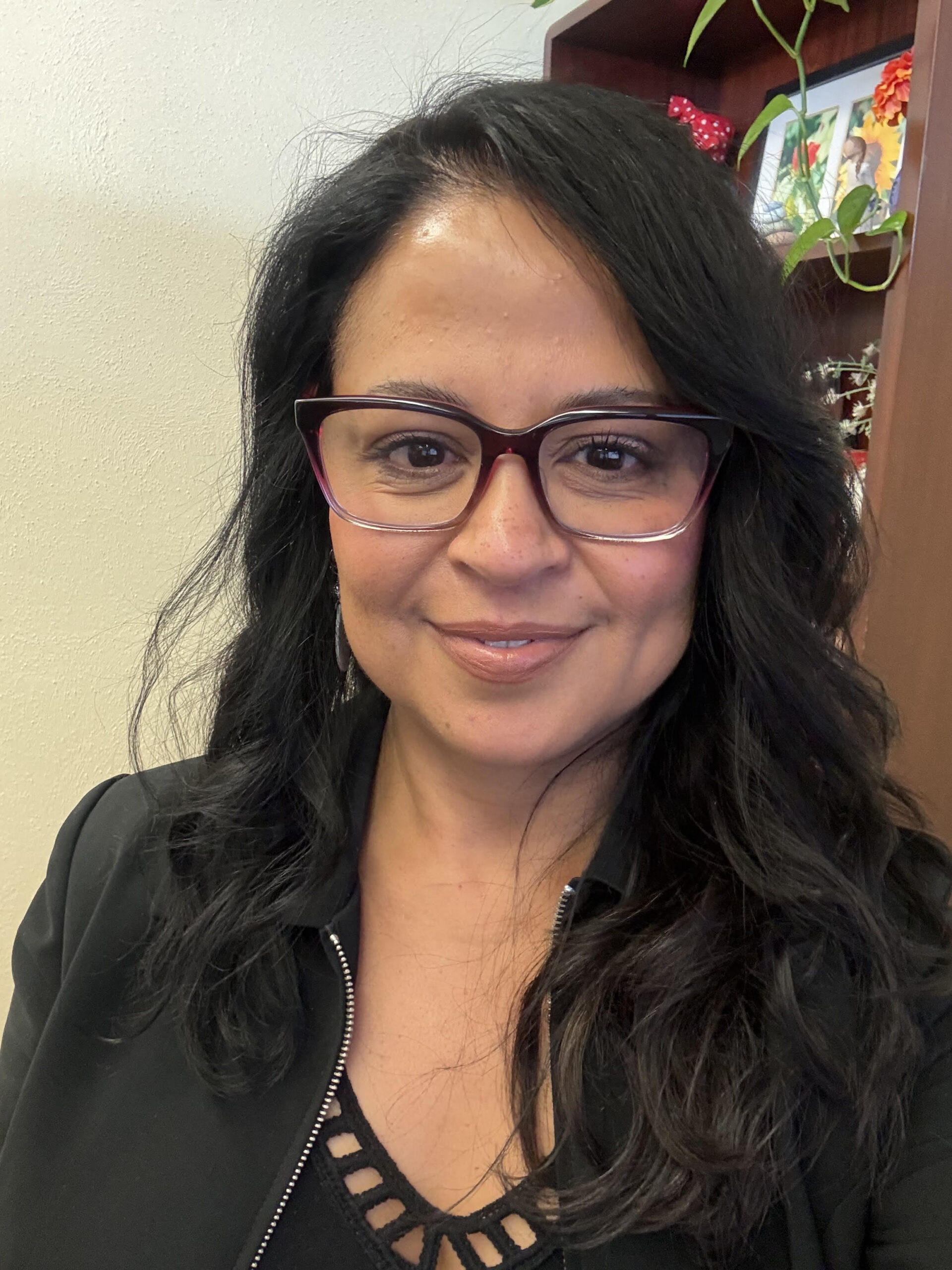
Student mental health is a growing concern in schools across the nation. Rocio Graciano, a veteran social work leader with more than 20 years of experience, is helping educators, parents, and school systems respond effectively. As a Specialist within District Support Programs at a large public School District, Graciano provides leadership, training, and guidance to schools and regional teams. Her work focuses on ensuring mental health services are accessible, practical, and grounded in trauma-informed practice.
Recent studies show an increase in students struggling with anxiety, depression, behavioral challenges, and difficulty regulating emotions. Many of these challenges stem from academic pressure, social stressors, exposure to violence, and the lasting effects of trauma. Graciano emphasizes that these concerns often reflect broader system-level issues. She notes that when children experience trauma at home, in their communities, or at school, it can affect their ability to focus, form relationships, and succeed academically.
The impact of trauma often extends well beyond the classroom. Students who experience chronic stress or adverse childhood experiences may struggle with self-esteem, social relationships, and decision-making later in life. Without appropriate support, these effects can persist into adulthood and influence long-term mental health and quality of life. Graciano stresses that schools play a critical role in prevention by providing timely interventions and creating environments where students feel safe, supported, and understood.
A central part of Graciano’s work involves training teachers, school staff, and parents to recognize and respond to trauma-related challenges. Her workshops focus on identifying trauma indicators, strengthening protective factors, and building supportive learning environments. Protective factors include strong teacher-student relationships, predictable classroom routines, and access to social-emotional supports. These strategies help reduce the long-term effects of trauma and improve student outcomes. Graciano works closely with schools to integrate these practices into daily instruction and school-wide systems.
Within District Support Programs, Graciano oversees and evaluates mental health staff while supporting program development and service delivery across hundreds of schools. Collaboration is foundational to her approach. She works closely with administrators, regional teams, and community partners to ensure mental health services are fully embedded within the educational experience. She also plays a key role in crisis response, leading multidisciplinary teams during critical incidents and supporting staff across more than 200 schools.
Since 2018, Graciano has contributed to a cross-departmental partnership within District Support Programs focused on instructional practice and social-emotional learning. Through this work, she has helped train nearly 4,000 educators on trauma-responsive classrooms, staff resilience, and student support strategies. She emphasizes that addressing trauma is not a one-time effort, but an ongoing commitment that requires consistent practices, professional development, and system-level alignment.
Graciano also works closely with families and communities to extend support beyond school campuses. She provides guidance to parents and caregivers on reinforcing resilience-building strategies at home and encourages open communication between families and schools. She emphasizes the importance of recognizing early signs of stress or trauma in children, such as changes in behavior, sleep patterns, or social engagement, and seeking support proactively.
To address rising socio-emotional needs, Graciano advocates for school-wide approaches that normalize conversations around mental health. These include mindfulness practices, peer support programs, and regular social-emotional check-ins. Such strategies help students build coping skills while fostering school cultures rooted in empathy, safety, and belonging.
Graciano underscores the importance of strong leadership in advancing trauma-informed systems. Her philosophy centers on preparedness, consistency, and collaboration. By guiding administrators and school teams in effective practices, she has helped strengthen support structures that extend from classrooms to district-level systems.
Her professional background includes credentials in School Social Work, Child Welfare and Attendance, and California Administrative Services. She holds a Master of Social Work from California State University, Long Beach, and a Bachelor’s degree in Gerontology from Mount St. Mary’s University. Her experience spans crisis counseling, suicide prevention, threat assessment, workplace violence prevention, and behavioral support for students in both general and special education.
Through her work, Rocio Graciano has become a trusted leader and advocate for student well-being. Her trainings, system-wide initiatives, and collaborative leadership provide schools, families, and communities with practical tools to create safe, supportive, and resilient learning environments. Her leadership offers a clear roadmap for responding to student mental health challenges with compassion, clarity, and strategic intent.