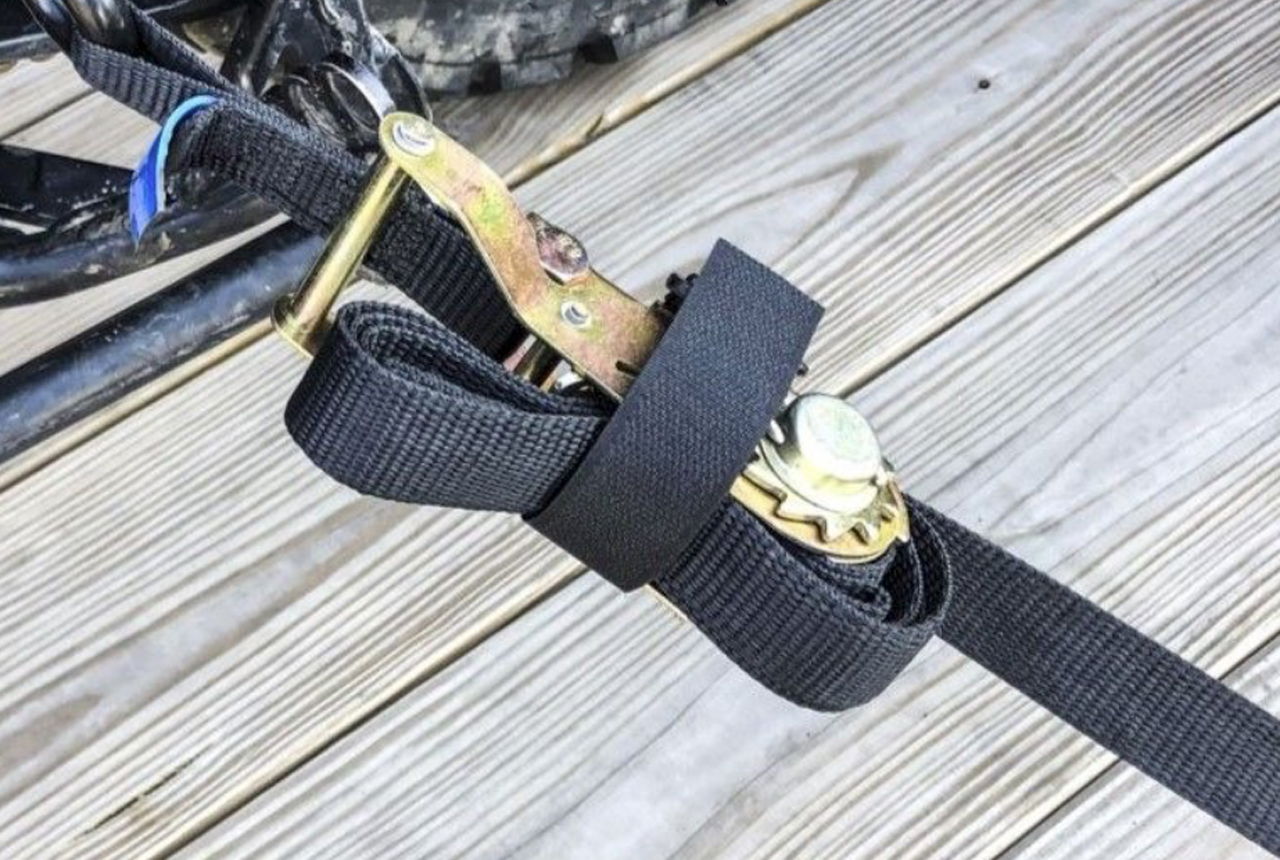
Wide-handle ratchet tie down straps make securing heavy loads easier and safer. Their smart design gives you better grip and more control without extra effort. If you want tight, steady loads without strain, learning the right technique matters. This guide shows simple steps to get maximum leverage fast.
Understanding Wide-Handle Ratchet Tie Down Straps
Wide-handle ratchet tie down straps are a practical and effective solution for securing heavy loads during transport. Compared to standard designs, the wider handle provides a better grip and increased leverage, making it easier to tighten straps without putting extra strain on your hands or wrists. For anyone who has dealt with stubborn straps or hand fatigue, this design can significantly improve comfort and control.
What Makes Them Different
The main feature that sets wide-handle ratchet straps apart is, of course, the handle. A wider handle spreads out the force across your hand, giving you extra leverage when tightening. This makes it easier to secure heavy or bulky items like furniture, motorcycles, or building materials. It also reduces the risk of slipping or losing control while ratcheting.
How They Work
These straps work by using a simple ratchet mechanism. You feed the strap through the ratchet, pull it tight, and then crank the handle to secure the load. The wide handle gives you extra leverage, so you don’t have to use as much effort to get the strap tight. This is especially helpful when you’re dealing with long straps or very heavy cargo.
Why They Are Useful
Wide-handle ratchet tie down straps aren’t just about convenience; they improve safety too. A secure strap means your cargo stays in place, reducing the chance of shifting or falling during transport. They are also easier to release compared to standard ratchet straps, making cleanup faster and less frustrating.
Preparing for Maximum Leverage
Preparing for maximum leverage with wide-handle ratchet tie down straps is the key to keeping your load secure without extra strain. Before you even start tightening, taking a few simple steps can make your job easier and safer.
Choose the Right Strap
Not all straps are created equal. Start by picking a strap rated for the weight and size of your cargo. Using a strap that is too weak can stretch or break, while a strap that is too heavy might be harder to handle. A properly rated wide-handle strap gives you the perfect balance of strength and control.
Inspect Your Strap
Before each use, check the strap for frays, cuts, or damaged hardware. Even a small tear can reduce the strap’s strength and make it unsafe. Make sure the ratchet mechanism moves smoothly and the handle isn’t bent or loose. A quick inspection can prevent accidents and make tightening easier.
Position the Strap Correctly
Where you place the strap matters. Lay it flat across your cargo without twists or folds. Make sure the strap is evenly distributed so that when you pull the handle, the force is applied smoothly. Correct positioning gives you better leverage and helps the load stay stable during transport.
Safety First
Always secure the anchor points before tightening. Pulling on a strap attached to a weak or loose point can damage your cargo or cause injury. By setting everything up properly, you ensure that you can use maximum leverage without risking your safety.
Step-by-Step Guide to Using Wide-Handle Ratchet Straps
Using wide-handle ratchet tie down straps correctly is the best way to get maximum leverage and keep your load secure. When done properly, it takes less effort, is safer, and makes transporting heavy items much easier.
Step 1: Thread the Strap Properly
Start by feeding the strap through the ratchet’s slot. Make sure it goes straight and isn’t twisted. Twisted straps can weaken under tension and make tightening harder. Pull the strap through until it’s taut over your load, leaving enough length to crank the ratchet handle comfortably.
Step 2: Position Your Body for Leverage
The wide handle works best when you use your body weight along with your hands. Stand in a stable position, keeping your feet shoulder-width apart. Push or pull the handle smoothly, letting the handle’s extra width do most of the work. This method reduces strain and gives you stronger leverage.
Step 3: Ratchet the Strap Tight
Pump the handle back and forth slowly to tighten the strap. Avoid jerky movements, which can damage the strap or cargo. Keep an eye on the strap as it tightens, making sure it stays flat and properly aligned. Stop when the strap is snug and the load doesn’t move.
Step 4: Lock the Ratchet Securely
Once tight, lock the ratchet in place. This keeps the strap from loosening during transport. Check the anchor points and make sure the strap isn’t rubbing against sharp edges. Proper locking ensures both safety and peace of mind.
Step 5: Test Load Stability
Finally, give the cargo a gentle push or shake. If it moves, adjust the strap and retighten. A stable load means you’ve used maximum leverage correctly, and your items are secure for the trip.
Pro Tips to Boost Leverage and Safety
Using wide-handle ratchet tie down straps correctly is great, but a few pro tips can make your job even easier, safer, and more efficient. These small adjustments help you get maximum leverage while protecting both yourself and your cargo.
Use Smooth, Steady Pressure
When tightening straps, avoid jerky or rushed movements. Smooth, steady pressure lets the wide handle do its work and prevents the strap from slipping or twisting. This technique also reduces strain on your hands and wrists, making tightening more comfortable.
Avoid Over-Tightening
It’s tempting to crank the strap as tight as possible, but over-tightening can damage your cargo or even the strap itself. Stop once the load is snug and stable. The wide-handle design already gives you extra leverage, so you rarely need extreme force.
Check Anchor Points
Even the best strap can fail if attached to weak anchor points. Make sure your hooks, loops, or tie-down spots are strong and secure. Reinforcing weak points can prevent accidents and keep your cargo safe during transport.
Store Straps Properly
After use, roll or hang your straps to avoid twists, kinks, or frays. A well-maintained strap lasts longer and performs better, giving you maximum leverage every time.
Avoid Common Mistakes
Double-check that the strap is flat, untwisted, and correctly threaded. Keep your hands away from pinch points while ratcheting. These small habits prevent injuries and ensure a smooth, secure tie-down experience.
Following these pro tips transforms wide-handle ratchet straps from just a tool into a safe, efficient, and reliable way to secure cargo. With the right approach, you get strong leverage, reduced effort, and peace of mind every time.
Conclusion
Using wide-handle ratchet tie down straps the right way saves time and energy. With proper setup and smooth pressure, you get stronger leverage and safer loads. Follow these simple tips, avoid common mistakes, and enjoy better control every time you secure cargo.