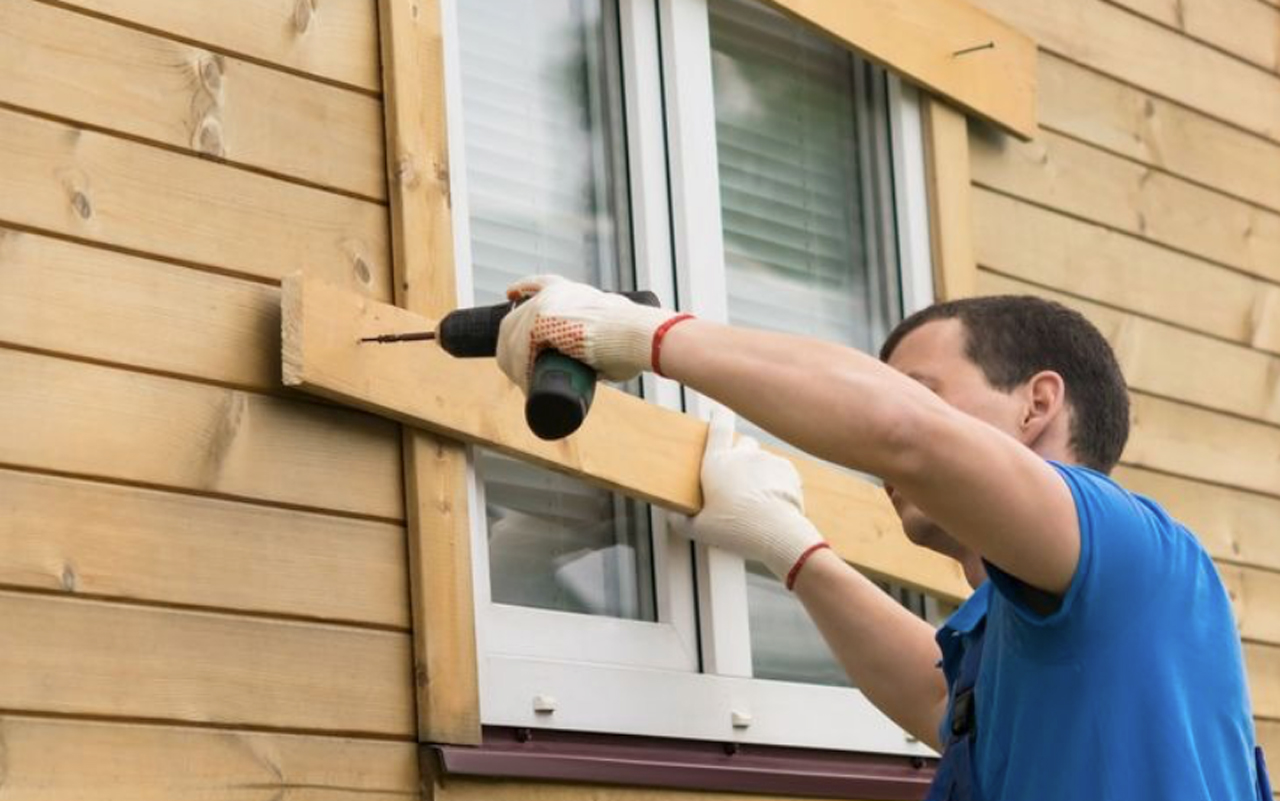
Winter window installation can feel tricky when temperatures drop. Cold air, stiff materials, and moisture create challenges that need special planning and care.
With the right sealants and simple techniques, you can install windows confidently, keep heat inside, prevent drafts, and protect your home all season long without costly mistakes.
Understanding Winter Window Challenges
Installing windows in winter takes planning, but understanding seasonal challenges makes the job smoother. Cold temperatures, frozen surfaces, and rigid materials create issues not seen in warmer weather. These conditions affect fit, sealing, and handling.
Knowing what to expect helps prevent errors and protects energy efficiency and safety. Professional support from window installation toronto helps manage winter conditions and ensures proper results.
Why Cold Weather Matters
When the temperature drops, window frames and sealants behave differently. Wood can shrink, metal can contract, and regular caulk may not stick properly. Even small gaps can let in drafts, moisture, or cold air, which can make your home uncomfortable and raise heating bills. This is why winter installation requires careful planning and the right materials.
Common Winter Installation Issues
A common issue during winter window installation is condensation forming between the glass and the frame. Moisture can freeze and damage both the window and the surrounding walls. Another challenge is that adhesives and sealants may not cure correctly in low temperatures.
This can lead to leaks and reduced energy efficiency. Finally, working outside in freezing weather can make tasks harder, slowing down the process and increasing the chance of errors.
When Winter Installation Makes Sense
Despite the challenges, winter installation is sometimes necessary. If a window is broken, leaking badly, or part of a major renovation, waiting for warmer weather may not be an option. In these cases, understanding winter window challenges and preparing in advance is crucial. Using winter-grade sealants, keeping materials warm, and adjusting your technique can make the job smooth and successful.
Choosing the Right Sealants for Cold Weather
Choosing the right sealants matters during winter window installation. Cold weather causes standard caulks to crack, shrink, or fail. Gaps allow drafts and moisture to enter the home.
Low temperature sealants maintain flexibility and adhesion. This keeps windows sealed and improves energy efficiency over time. A reliable windows company uses winter rated materials to protect performance and durability.
Why Winter Sealants Are Different
Regular sealants work well in warm weather but can stiffen and lose adhesion in the cold. Winter sealants are specially formulated to remain flexible even in freezing temperatures. This flexibility allows them to expand and contract with the window frame, preventing cracks and leaks over time. Choosing the right type keeps your installation strong and reliable.
How to Pick the Best Sealant
When shopping for sealants, look for labels that mention “cold-weather,” “low-temperature,” or “winter-grade.” These products are tested to cure properly in temperatures well below freezing. Silicone and polyurethane sealants are often recommended because they stick well to wood, metal, and vinyl, even when it’s cold.
Tips for Using Winter Sealants
Even the best sealant won’t work if it’s applied incorrectly. Keep the sealant at room temperature before using it to make application easier. Clean and dry the surfaces thoroughly to ensure strong adhesion. Apply it evenly, filling all gaps, and allow enough curing time according to the manufacturer’s instructions. With the right sealant and proper technique, you’ll create a tight, weatherproof seal that lasts for years.
Choosing the right sealant is a small step that makes a big difference in winter window installation. It protects your home from drafts, keeps energy bills low, and ensures your windows perform perfectly through the cold months.
Smart Techniques for Cold-Weather Installation
Installing windows in winter requires more care than a typical warm-weather project. Using smart techniques for cold-weather installation helps ensure your windows fit perfectly, stay sealed, and protect your home from drafts and moisture.
Preparing the Window Frame
Before you even touch the new window, prep the frame carefully. Remove old caulk, debris, and frost from the surface. Cold surfaces can prevent sealants from sticking properly, so make sure the frame is completely dry. Warming the frame slightly with a portable heater can help materials adhere better and make the installation smoother.
Handling Materials in Cold Temperatures
Cold weather can make window frames stiff and sealants hard to apply. Keep materials indoors or in a heated space until you are ready to install. This prevents brittleness and makes the window easier to handle. When moving windows outside, handle them gently to avoid cracks or warping caused by sudden temperature changes.
Step-by-Step Installation Tips
Start by placing the window in the frame and checking for level and plumb alignment. Apply winter-grade sealant evenly around the edges, filling all gaps for a tight seal. Secure the window carefully, avoiding over-tightening, which can warp frames in the cold. After installation, inspect the seals and add insulation if needed to prevent drafts and heat loss.
Using these smart techniques for cold-weather installation makes winter window projects much easier. Proper preparation, careful handling, and attention to detail ensure your windows are secure, energy-efficient, and ready to withstand the coldest months without problems.
Final Checks for Long-Lasting Results
After installing windows in winter, performing final checks is essential to make sure your work lasts through the season. These steps ensure your windows are sealed tight, energy-efficient, and protected from moisture or drafts.
Testing for Air Leaks
Start by checking for gaps around the window where cold air could enter. You can run your hand along the edges or use a small piece of tissue to see if it flutters in drafts. Any spots that leak should be resealed immediately with winter-grade caulk or sealant to keep your home warm and energy bills low.
Insulating Around the Window
Even the best-installed windows benefit from extra insulation. Use foam or weatherproof insulation around the frame to fill small spaces that might allow heat to escape. This adds an extra layer of protection and makes your windows more efficient against winter chills.
Easy Maintenance Tips
Once your windows are installed and sealed, regular maintenance keeps them performing well. Wipe away moisture or frost to prevent mold and water damage. Inspect the seals occasionally, especially after strong winds or snowstorms, to catch problems early. A little attention goes a long way in extending the life of your windows.
Performing these final checks for long-lasting results ensures your winter window installation is secure, comfortable, and energy-efficient. By testing seals, insulating carefully, and maintaining your windows, you’ll enjoy a warm, draft-free home all season long.
Conclusion
Cold weather does not have to stop window upgrades. By choosing winter-ready sealants, prepping surfaces, and working patiently, you can achieve strong seals. Smart timing and simple steps help your windows last longer, save energy, and keep your home warm, comfortable, and worry-free through winter months ahead for homeowners everywhere.