Keeping fuel safe, clean, and ready to use is one of those behind the scenes jobs that keeps a construction site moving. A little planning goes a long way, especially when you are dealing with heavy equipment, changing weather, and crew members working around the clock.
Here are seven practical tips that help crews reduce risk, prevent downtime, and keep jobsite fueling running smoothly.
1. Choose the right tank type
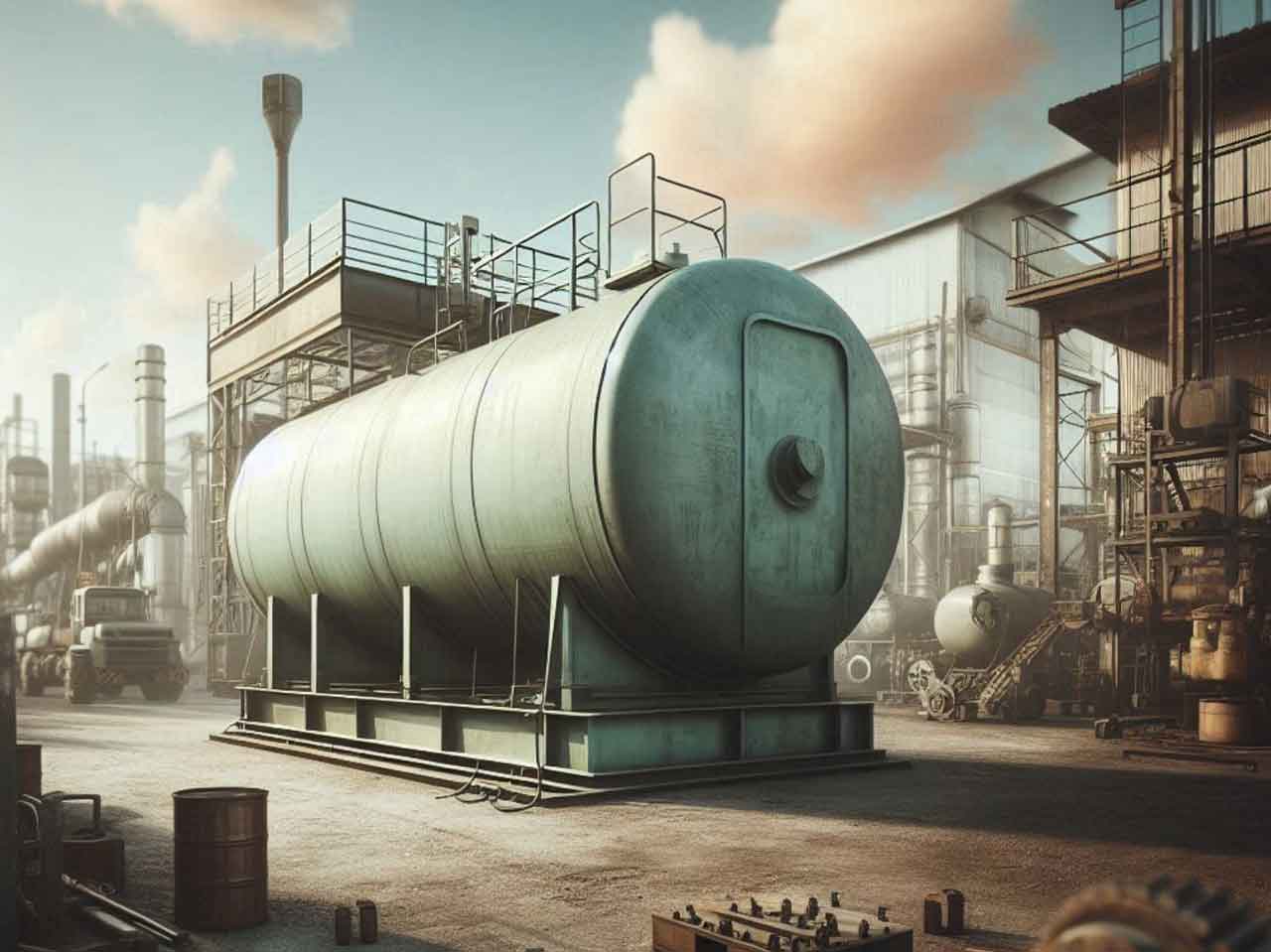
Bunded and double wall tanks add an extra layer of protection by capturing leaks before they hit the ground. These designs also make it easier to meet modern compliance requirements.
According to guidance shared by QHSE Documents, selecting the proper tank construction reduces fire hazards and prevents environmental issues. When tanks are matched to the job size and fuel demand, crews can refuel quickly without constant deliveries. Additionally, consider using wastewater tanks for proper waste management and to keep the site compliant with environmental regulations.
2. Plan your site layout carefully
Good layout choices can prevent accidents before they happen. Think of your fueling zone like a small, controlled workspace. Keep tanks away from traffic flow, welding areas, or anything that sparks. Distance rules, spill control, and clear access points help workers move safely around equipment.
A practical setup usually includes:
- Stable, level ground
- Defined fueling paths
- Clearly marked no smoking zones
3. Build a solid fire safety and spill response plan
Fire extinguishers, absorbent materials, and clear signage should be within reach of any fueling operation. Crews should know exactly what to do if a hose bursts or a valve sticks.
Regular toolbox talks help keep everyone fresh on procedures. Sites that review their response plans weekly tend to react faster and with less confusion.
4. Pick pumps and meters that fit your workflow
Flow rate, filtration, and accuracy all matter more than people expect. A slow pump can back up your whole crew, while missing filtration can let debris into engines. This is also where many teams evaluate accessories and integrated meters.
When exploring standard options, many crews look at heavy-duty fuel storage tools like those offered in general diesel tank and accessory catalogs, which can give a sense of what features are worth comparing.
5. Protect fuel quality across the seasons
Diesel changes in winter and summer, which means your storage habits should change too. Water buildup is a big enemy, especially with big temperature swings.
Draining water traps, keeping tanks full, and using seasonal additives can help maintain clean and consistent fuel. A small bit of quality control prevents bigger mechanical problems later on.
6. Deter theft with small, smart upgrades
Fuel theft is one of the most common but preventable jobsite losses. Cameras help, but simple upgrades like lockable caps, fenced off tank areas, and clear lighting are often enough to deter opportunistic thieves. Logging fuel usage also makes it easier to catch unusual patterns and stop small issues before they grow.
7. Make inspections a routine, not an afterthought
Daily walkarounds catch many issues long before they become emergencies. Workers should look for damaged hoses, worn gaskets, loose fittings, and signs of corrosion. According to research consistent inspections dramatically reduce leaks and failures. A quick checklist each morning keeps tanks in good condition and crews safer.
Staying on top of fuel storage doesn’t need to be complicated. A few thoughtful choices and consistent habits keep your site safer, cleaner, and more efficient.