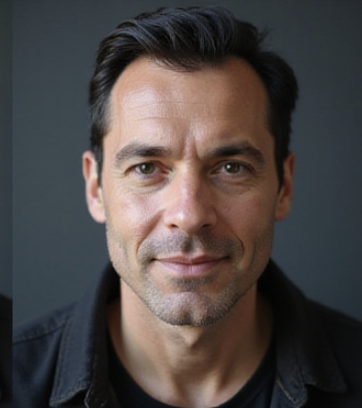
Sedrick Sparks, a Los Angeles-based marketing strategist and consultant, is calling on brands to rethink their approach to content creation as consumer expectations continue to evolve. According to Sparks, the growing success of unpolished content and the renewed appreciation for craftsman quality products point to a fundamental shift in how people define value and trust.
“Consumers are telling brands they want real experiences,” Sparks said. “They want honesty in messaging and integrity in the products they buy. This is no longer optional.”
Across retail and digital commerce, marketing leaders are increasingly seeing lo-fi content outperform highly produced creative. Simple videos, lightly edited visuals, and candid messaging are resonating more strongly than polished campaigns. This trend becomes especially clear during major shopping moments like Black Friday, when audiences are overwhelmed by aggressive advertising and glossy promotions.
During these periods, highly produced campaigns often blend. They struggle to feel distinct or memorable. In contrast, content that feels human and relatable stands out. Sparks explains that unpolished creative reduces the emotional distance between brands and consumers. It feels conversational rather than staged.
“When content looks too perfect, people assume there is a catch,” Sparks said. “Unpolished content feels transparent. It feels like someone is speaking honestly rather than selling aggressively.”
This shift reflects broader fatigue with content that feels engineered. After years of algorithm driven messaging, influencer saturation, and carefully curated brand personas, many consumers are seeking simplicity and sincerity. They respond more positively to behind the scenes footage, employee driven storytelling, founder messages, and real customer experiences that show products in everyday use.
Sparks is quick to clarify that authenticity does not mean a lack of discipline or strategy. “Unpolished does not mean careless,” he said. “The brands that succeed with this approach are very intentional. They know who they are and who they are speaking to. They simply choose clarity over spectacle.”
The preference for authentic content is closely linked to how consumers evaluate products themselves. Alongside the rise of lo-fi creative is a growing demand for craftsman-quality goods. Shoppers are increasingly drawn to products that feel durable, timeless, and thoughtfully made. They want items that last and hold value over time.
Sparks views this as a response to years of fast consumption. “People are tired of replacing things constantly,” he said. “They want products that respect their investment. Craftsmanship communicates care and accountability.”
This mindset mirrors the appeal of unpolished marketing. In both cases, consumers prioritize substance over surface. A slightly imperfect visual paired with a well-made product feels more trustworthy than a flawless campaign promoting something that lacks durability.
For brands, the real challenge is alignment. Sparks stresses that authenticity in marketing must be supported by authenticity in operations. A brand cannot promote craftsmanship while cutting corners behind the scenes. “Consumers may accept rough edges in content,” Sparks said. “They will not accept broken promises in product quality.”
He encourages companies to examine their values across the entire organization. Claims about durability, quality, or timelessness should be reflected in sourcing decisions, manufacturing standards, pricing transparency, and customer support. When these elements align, marketing feels natural rather than forced.
Sparks also warns against treating authenticity as a tactic rather than a principle. Attempts to manufacture relatability often backfire. Consumers are quick to detect when brands perform authenticity without meaning it.
“The fastest way to lose trust is to fake being real,” Sparks said. “People know when authenticity is staged.”
Looking ahead, Sparks believes brands that embrace this shift will build stronger and more lasting relationships with their customers. High production campaigns will still have a place in certain moments. They should no longer be the default approach.
“The future belongs to brands that are confident enough to show their process,” Sparks said. “Brands that stand behind their quality and communicate like humans will win loyalty, not just attention.”
As competition intensifies and shopping moments grow louder, Sparks’ message is clear. Authenticity is no longer a trend. It is the baseline expectation. Brands that understand this shift will not only cut through the noise but will earn trust in a marketplace increasingly defined by real value.