
You’ve heard of cell death already, that’s for sure. Even people who have nothing to do with medicine, or any kind of medicinal research understand that this is an important process in our bodies, and that it has its positive function. They understand what we are talking about a crucial biological process that is responsible for maintaining homeostasis, eliminating damaged cells and helping us fight infections. Visit this page to better understand its importance.
Now, another thing you probably know as well is that there are various ways in which cells can die. While apoptosis is probably one of the most researched and most well-known ones, we cannot deny the fact that ferroptosis is also an important process that you absolutely have to know if you’re doing any kind of cell related research. Or, simply, if you’re curious enough to want to learn about this.
As you may have imagined it, the Ferroptosis Inhibitor Ferrostatin-1 (Fer-1) plays a crucial role in some researches, but we will get to that a bit later. What we have to ensure first is that you actually understand ferroptosis in general. So, let me answer that question before we proceed towards understanding the specific inhibitor that I have mentioned, and before we proceed towards figuring out how important it actually is.
What Exactly Is Ferroptosis, Then?
So, what exactly is ferroptosis? In the simplest words possible, it is a form of regulated cell death that is iron dependent. If you know anything about apoptosis, for example, you know that it involves DNA fragmentation and caspases. But, here we are talking about a different type of cell death that is also highly important.
Basically, the discovery of this particular cell death type is highly important, because it opens up doors to new research, and to different ways of targeting certain disease processes. And, clearly, Ferrostatin plays a crucial role there as well, as it has been discovered as the first small-molecule inhibitor of ferroptosis. We are now going to talk about it in a bit more details, so you can understand how it works, and why it is so important.
Understanding Ferroptosis Inhibitor Ferrostatin-1 (Fer-1)
So, what exactly is Ferroptosis Inhibitor Ferrostatin-1 (Fer-1)? To cut right to the chase, it is a synthetic small-molecule antioxidant that is highly potent against lipid peroxidation. It consists of aromatic amine, and it has radical-trapping properties, meaning that its main task is to, well, scavenge the lipid derived free radicals, and thus prevent the propagation of lipid peroxidation. Furthermore, it is used specifically to prevent ferroptosis, but it has no impact on apoptosis, or other types of cell death, such as necrosis.
Apart from all of that, you should understand that it is highly potent. So, it is no wonder that it is used in research processes world-wide. Researchers have understood its unique role in preventing ferroptosis, and are now doing everything they can to figure out how it can be further used and applied in various fields, in order to help with certain types of treatments, and with our overall health.
How Does It Work?
Now, you’re wondering how this particular inhibitor works? Well, as you may have guessed it already from what I have been saying above, Ferrostatin-1 (Fer-1) Ferroptosis inhibitor actually acts as a lipophilic radical trapping antioxidant, also known as RTA. I suppose you have heard already about the dangers of free radicals, so you can assume right away just how important this substance really is. In any case, let me give you some more details about its mechanisms.
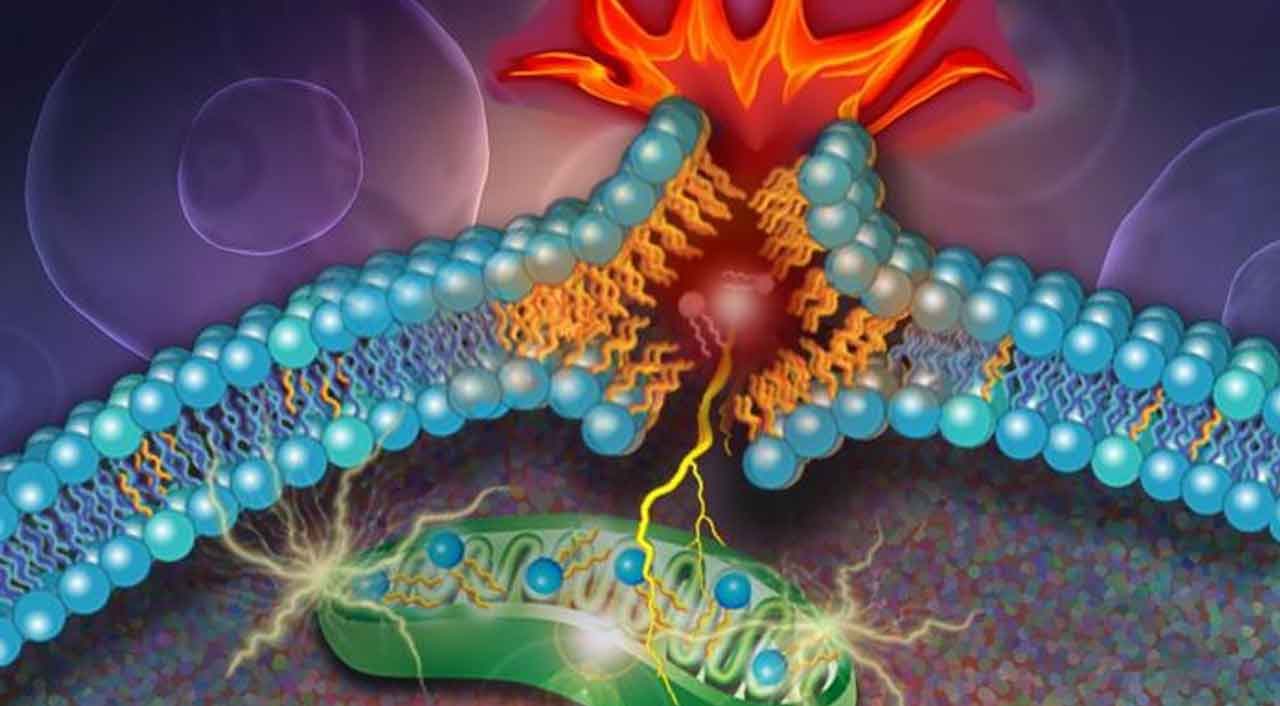
First things first, what Ferroptosis Inhibitor Ferrostatin-1 (Fer-1) does is this – it enters the cell membranes, and intercepts those lipid radicals that have been generated and released during peroxidation. Then, through neutralizing those radicals, it actually stops the process of lipid damage. Of course, it also prevents the oxidative degradation of the membrane, thus preserving the actual integrity of the cell. And, since we are talking about iron dependent processes here, you may assume that this compound will lover the iron levels in your body, but the good news is that this isn’t the case, and that it actually prevents lipid oxidation while not affecting iron activity, which is also extremely important.
Why Does It Matter?
If you’ve been reading carefully, then you must have understood what Ferroptosis Inhibitor Ferrostatin-1 (Fer-1) is and how it works already. Furthermore, you must have also gotten at least a slightly better idea about how important it actually is and why researchers are using it in various processes. Yet, you probably want to know a bit more about its importance in general, so let us now discuss that in a bit more details.
For one thing, you should understand that we are talking about a research tool here. In short, Ferroptosis Inhibitor Ferrostatin-1 (Fer-1) is pretty much indispensable in the study of ferroptosis. This is because, by stopping that particular process, it helps researchers get to the bottom of certain important things, such as, for example, discover whether the observed cell death is actually caused by ferroptosis or something else, as well as study how this particular process contributes to cancer, ischemia, neurodegeneration and other conditions. And, of course, this can also help them understand the difference between this type of cell death and other types, such as apoptosis and similar.
As you may have imagined, this has great implications for the cancer research, as it can help scientists uncover how it is that ferroptosis inducers could actually contribute to immunotherapy, or chemotherapy. The same goes for some neurodegenerative diseases, as well as for kidney and liver diseases. So, it is clearly a widely important compound that can help scientists study various processes.
To sum things up, Ferroptosis Inhibitor Ferrostatin-1 (Fer-1) is important because it allows researchers to understand the process and the implications of ferroptosis in more details. All of that further helps them uncover the effects of that process during certain treatments, which can ultimately lead to uncovering better treatment options for certain diseases. Such as, for example, cancer, or neurodegenerative diseases, and many, many others.