Introduction to Power Station Technology
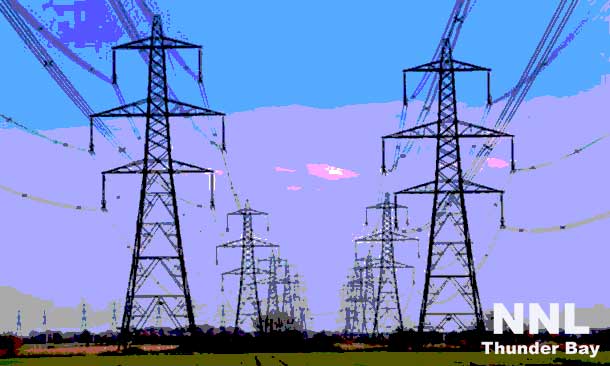
A power station is a facility designed to generate electricity and supply it to homes, businesses, and industries. For decades, traditional power stations such as coal, gas, nuclear, and hydroelectric plants have formed the backbone of national power grids. These large-scale power stations are capable of producing massive amounts of electricity, ensuring cities and industries function smoothly. However, with increasing energy demands, frequent power outages, and a growing focus on mobility and sustainability, new energy solutions have emerged. One of the most practical and innovative developments in this field is the portable power station, which offers flexibility and convenience that traditional systems cannot provide.
What Is a Portable Power Station
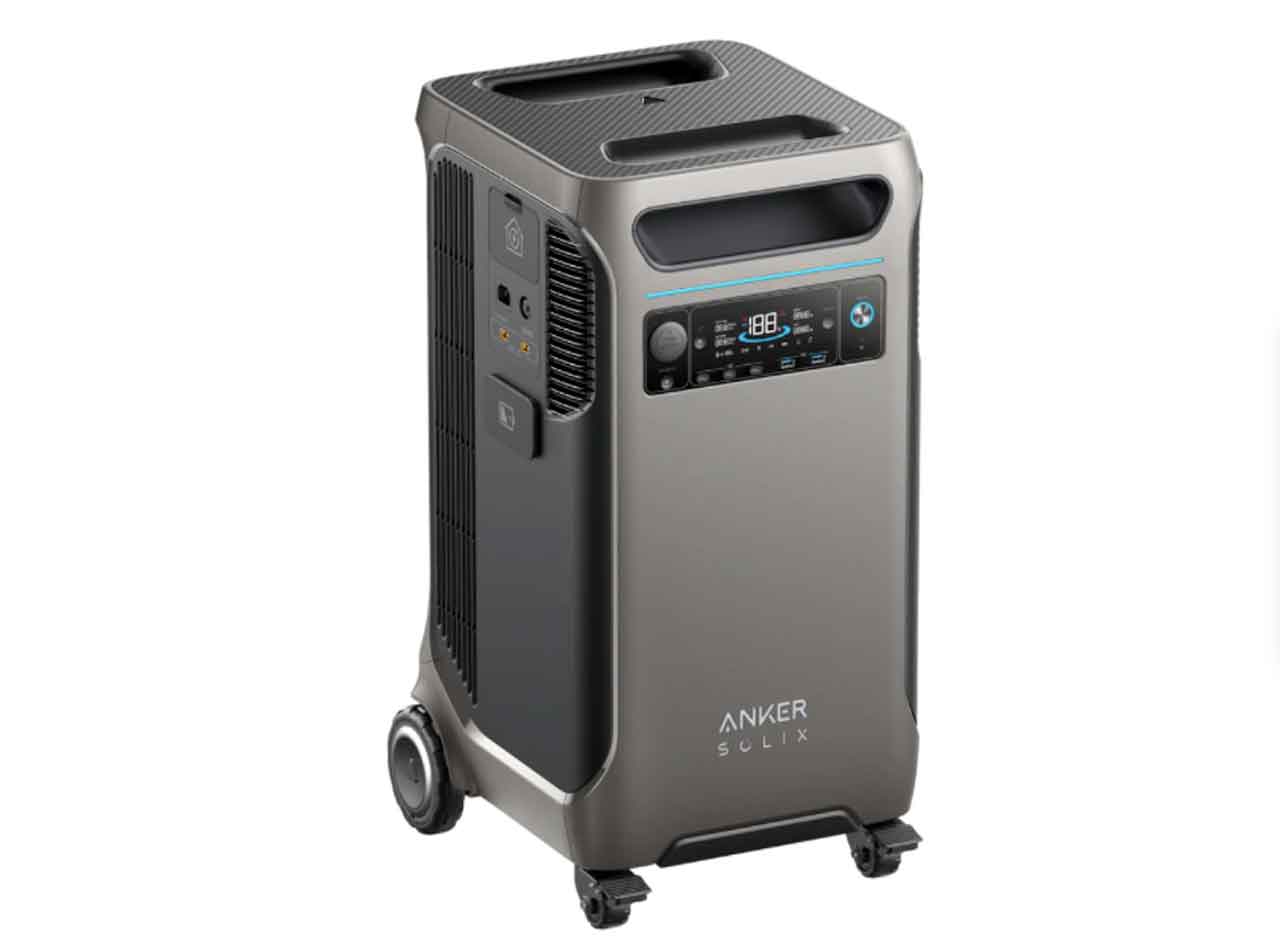
A portable power station is a compact, rechargeable device designed to store electrical energy and supply power when needed. Unlike a conventional power station, which is fixed in one location and relies on complex infrastructure, a portable power station is designed for mobility and ease of use. It typically includes a battery, inverter, charge controller, and multiple output ports that allow users to power or charge electronic devices, appliances, and tools. Portable power stations can be charged through wall outlets, car chargers, or solar panels, making them highly versatile for both indoor and outdoor use.
Key Differences Between a Power Station and a Portable Power Station
The most significant difference between a traditional power station and a portable power station lies in scale and purpose. A power station is built to supply electricity to thousands or even millions of users through a grid system, while a portable power station is intended for personal or small-scale energy needs. Traditional power stations depend on fuels or large renewable resources and require professional operation and maintenance. In contrast, a portable power station is user-friendly, requires minimal maintenance, and can be operated by anyone without technical expertise. This makes portable solutions ideal for individuals, travelers, and small businesses.
Benefits of Using a Portable Power Station
One of the main advantages of a portable power station is its convenience. It provides instant backup power during outages, ensuring essential devices such as lights, routers, medical equipment, and phones continue to function. Unlike fuel-powered generators, portable power stations operate silently and produce no harmful emissions, making them safe for indoor use. Their compact design also makes them easy to carry, store, and transport. For people living in areas with unstable electricity supply, a portable power station can serve as a reliable and stress-free energy backup.
Applications in Daily Life and Outdoor Activities
Portable power stations are widely used in everyday life as well as outdoor environments. At home, they can support emergency power needs during load shedding or unexpected blackouts. For outdoor enthusiasts, a portable power station is an essential companion for camping, road trips, and remote work locations. It can power laptops, cameras, small refrigerators, and even cooking equipment. In professional settings, such as construction sites or mobile offices, portable power stations provide clean and dependable power without the noise and fuel costs associated with generators.
Environmental Impact and Sustainability
Traditional power stations, especially those powered by fossil fuels, contribute significantly to environmental pollution and climate change. Although renewable energy-based power stations are becoming more common, they still require extensive infrastructure and investment. A portable power station, particularly when paired with solar charging, offers an eco-friendly alternative for small-scale energy consumption. By reducing reliance on diesel generators and grid electricity generated from non-renewable sources, portable power stations help lower carbon emissions and promote sustainable energy practices at an individual level.
Choosing the Right Portable Power Station
Selecting the right portable power station depends on specific power requirements. Factors such as battery capacity, output wattage, number of ports, and charging options should be carefully considered. Users who need to run high-power appliances should choose models with higher wattage and larger batteries, while those looking for basic device charging may opt for smaller units. Comparing these features helps ensure that the portable power station meets personal or professional needs effectively, offering a balanced combination of performance and portability.
The Future of Power Stations and Portable Energy
As technology continues to advance, the gap between traditional power stations and portable power solutions is narrowing. Innovations in battery technology, energy efficiency, and renewable integration are making portable power stations more powerful and affordable. While large power stations will remain essential for grid-level electricity generation, portable power stations are set to play an increasingly important role in decentralized energy systems. They empower individuals to take control of their energy needs, offering reliability, sustainability, and independence in an uncertain energy landscape.
Conclusion
Both the power station and the portable power station serve critical roles in modern energy systems. Traditional power stations provide the large-scale electricity required for cities and industries, while portable power stations offer flexibility, mobility, and personal energy security. As energy demands evolve and sustainability becomes a global priority, portable power stations are emerging as a practical and forward-looking solution. Their ability to deliver clean, quiet, and reliable power makes them an essential addition to modern life, complementing traditional power stations rather than replacing them.