Boil water advisories can hit a cafe right in the middle of a busy day. One notice from the local health authority and suddenly everything involving water, ice, cleaning, or cooking is under scrutiny. For many small food businesses, especially in Northern communities where advisories happen more often, the disruption can feel overwhelming.
The good news is that with a clear plan, cafes can protect customers, stay compliant, and reopen smoothly once the advisory is lifted.
Understanding What a Boil Water Advisory Means
A boil water advisory is issued when officials believe the water supply may be contaminated, often due to line breaks, treatment issues, flooding, construction, or seasonal thaw cycles.
It doesn’t mean the water is always unsafe, but all drinking and food prep water must be treated as risky. For cafes, this affects far more than drinking stations because water supports nearly every part of service, turning the advisory into a full‑operation event.
How Cafes Should Respond Immediately
The moment an advisory is issued, cafes need to pause and take stock. Fast action makes a difference, and it helps demonstrate compliance if an inspector stops by.
Three things should happen right away:
- Stop using tap water for drinking, food prep, and washing produce
- Shut down any equipment that automatically uses tap water
- Switch signage, service, and workflow to reflect limited water access
These steps create a safe baseline while you get into the more detailed parts of the response.
Ice Safety: Remember That Ice Equals Water
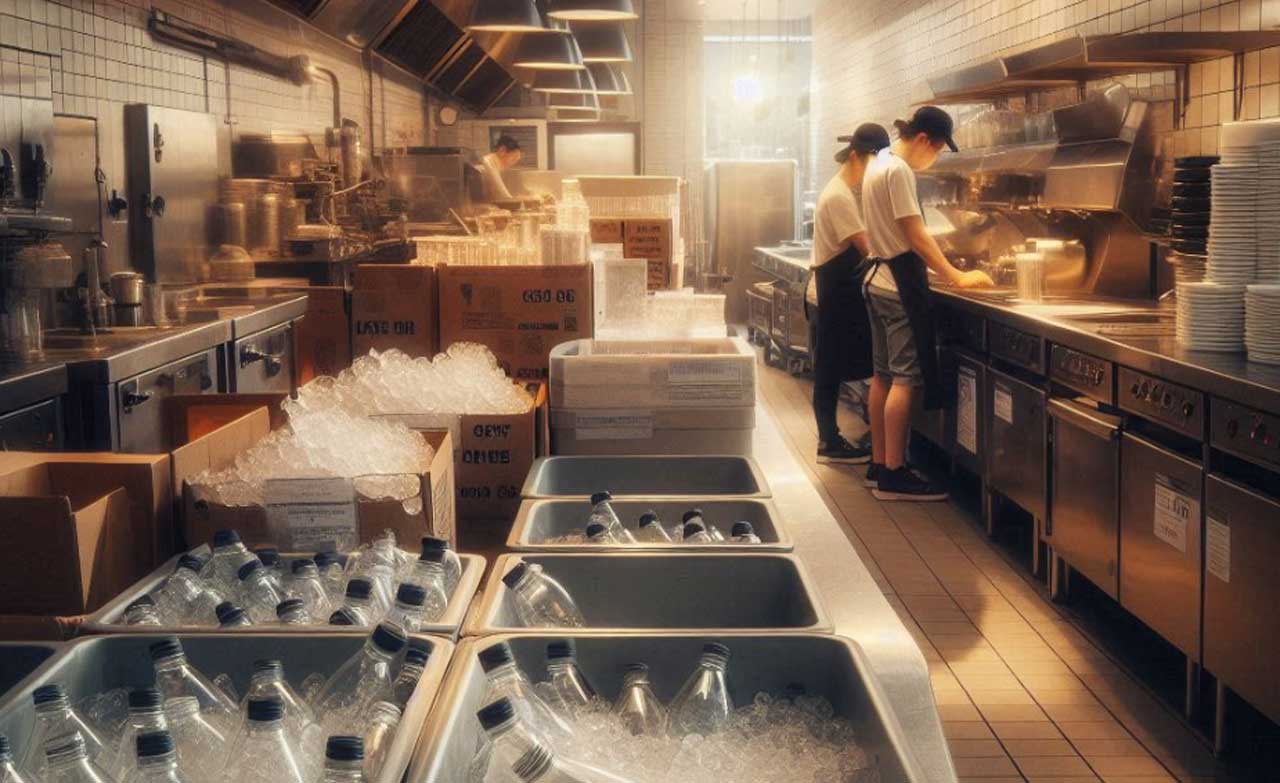
A surprising number of businesses forget that ice is just frozen water. During an advisory, all ice made from tap water must be thrown out. This includes everything in bins, wells, drink stations, pastry displays, and blended beverage stations.
It’s essential to shut down ice machines connected to the public supply. Since cafes often scramble to secure safe recovery options, thoughtful equipment planning becomes especially useful.
Many operators turn to professional ice machines for food service, which offer built‑in filtration and performance features that support safe service restoration after the advisory status has been officially lifted.
Equipment That Needs To Be Shut Down
Any machine that uses tap water automatically must be turned off until the advisory ends. That often includes:
- Ice machines and undercounter units
- Coffee brewers and espresso machines
- Dishwashers and glass washers
Seasonal issues like freezing rain or spring melt make advisories common, so prepared cafes recover faster. Shutting equipment down early reduces contamination risks and cleanup.
Sanitation and Handwashing Protocols
While the advisory is active, sanitation requires careful handling. Dishes, utensils, and food‑contact surfaces must be washed using one of these approaches:
Use Commercially Bottled Water
This is the simplest method, but it can be costly.
Use Sanitizing Solutions Correctly
If washing with tap water, items must be rinsed in safe, boiled water afterward.
Use Dishwashers That Reach High‑Heat Sanitizing Temperatures
Some dishwashers can sanitize with compromised water, but operators must verify specs. Handwashing still matters: staff may use tap water if they finish with alcohol‑based sanitizer, always following the strictest local health guidance.
Sourcing Safe Ice and Water During the Advisory
Many cafes stay open during advisories by using bottled water and commercially bagged ice, and some plan ahead with professional ice machines for foodservice.
Bagged ice must come from an approved facility, even during localized advisories.
In Northern and remote communities, businesses often coordinate deliveries during recurring advisories. Planning ahead, keeping a supplier list, and having a backup plan save valuable time when customers begin lining up.
Reopening Checklist Once the Advisory Is Lifted
When officials end the advisory, cafes cannot simply flip the lights back on. Water systems and equipment need a full reset.
A structured checklist makes reopening safe and efficient.
Flush All Water Lines
Run taps for several minutes to clear old water. This applies to sinks, coffee lines, and any in‑wall or under‑counter units.
Clean and Sanitize All Equipment
Equipment that uses water must be cleaned before returning to service. This includes espresso machines, brewers, dishwashers, and ice makers.
Make Fresh Ice
All old ice must be discarded. Restart ice machines only after flushing, sanitizing, and running at least one full cycle.
Replace Filters
Water filters can trap contaminants, so they should be replaced before the cafe resumes regular operations.
Document Everything
If inspectors or health officials check in, having a written record of your steps makes the process faster and easier.