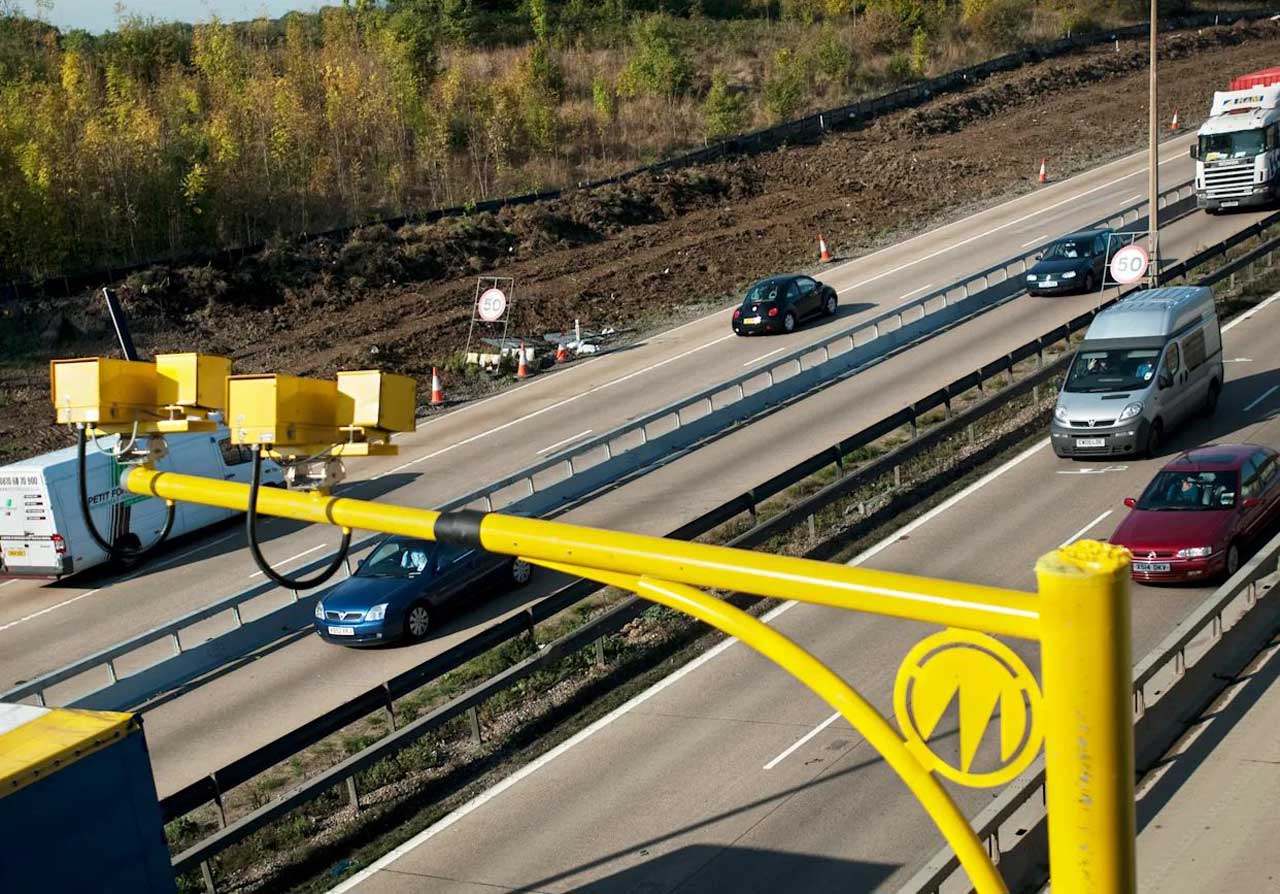
The traffic monitoring devices that can be seen by the majority of the drivers in the five major cities of Canada, that is, Toronto, Calgary, Vancouver, Montreal, and Ottawa, are not just cameras for spotting speeding through a red light.
Indeed, these are a complete set of traffic cameras that will help the traffic police in the enforcement of road safety.
Why Traffic Cameras Matter
Despite that, all these means of traffic control, which are being introduced, represent the consequences of rapid urban development in Canadian cities. Along with the development, the number of cars, traffic jams, and thus accidents has also increased.
The presence of police cannot monitor all places, and the seclusion of some risky driving practices makes it hard for the police to intervene. Here is the place where cameras come in handy.
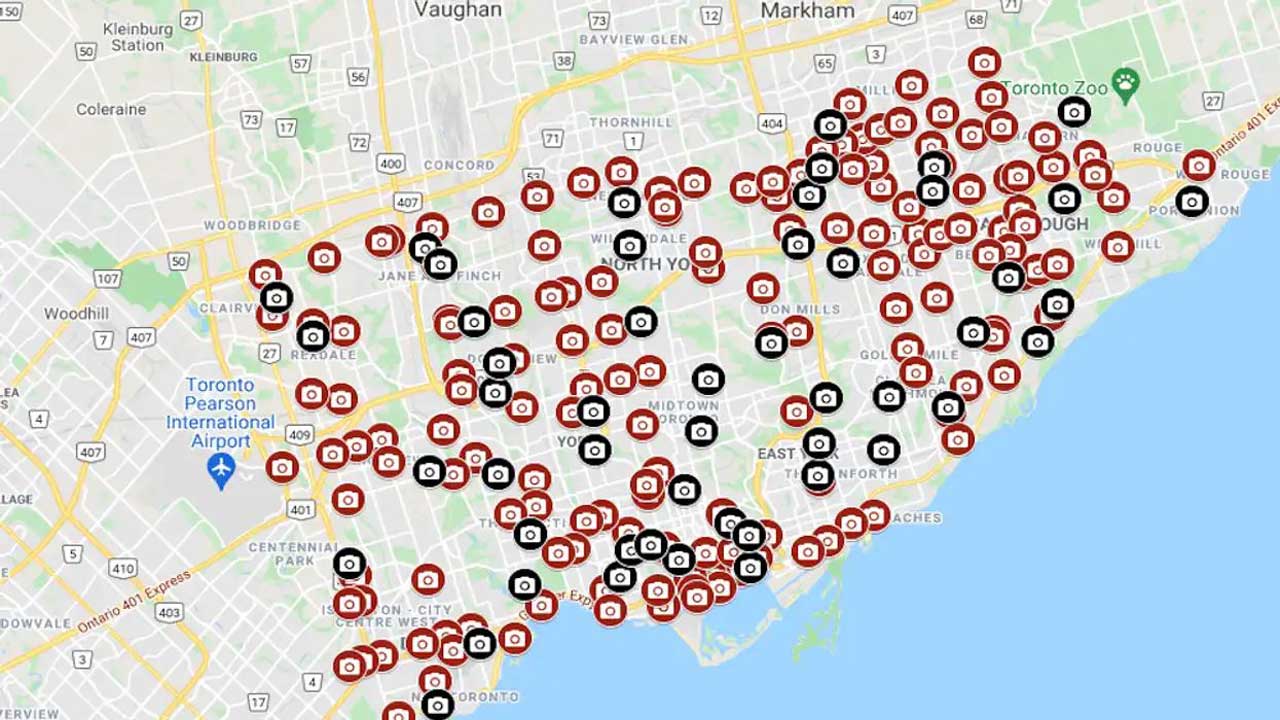
For example, around Toronto, approximately 150 Automated Speed Enforcement cameras have been installed in what they call Community Safety Zones. These zones are mostly areas around schools, parks, and playgrounds, etc. where pedestrians are the most.
Calgary is running 57 Intersection Safety Cameras that are mainly aimed at capturing red-light runners. The cameras have been installed in the most dangerous intersections where the collision has been common.
The goal is to take the proactive approach of stopping the dangerous behavior of drivers before crashes happen, rather than after.
On the other side, several cities like Vancouver and Montreal have their camera programs that target the same violations or both, speeding and red-light running. What they have in common is that they all aim to enable the traditional traffic enforcement methods with technology that operates 24/7.
Are These Cameras Effective?
This is the main point. While cameras might be seen as a nuisance, the proof is that they have a positive impact on driver behavior.
Fewer speeding drivers were detected in camera-verified locations. Even more importantly, the number of drivers who were so drastically over the speed limit that it was considered dangerous has decreased from 14% to less than 1%.
The Intersection Safety Camera program in British Columbia has been credited with a 35% decrease in the number of collisions causing injuries at the intersections where the cameras were installed. This is quite a lot since a reduction in injuries means saving lives, not only the issuance of fines.
Statistics show that Calgary traffic cameras helped reduce red-light running violations by 45 percent in the monitored locations. Fewer drivers were thus taking dangerous risks, and fewer accidents resulted from them.
The statistics are in favor of cameras as they not only pinpoint lawbreakers but also contribute to changing the driving behavior of the city population towards safety.
Traffic Cameras: Safety Tool or Money Maker?
Even if the benefits are clear, traffic cameras are not liked by all drivers. Some of them see cameras as a tool for cities to make money rather than a safety measure.
In Ontario, the issue has gone so far that some municipalities have suspended or reconsidered their camera programs. Opponents argue that fines weigh more heavily on low-income drivers and that cameras induce a feeling of being watched.
On the other hand, cities such as Calgary have done more to convince the public. By presenting clear statistics that show how cameras have cut down the number of accidents and injuries, its program is getting more community support.
Additionally, the city does public education programs that inform people of the necessity of cameras, and not only the number of tickets issued. This mixture of support and doubt reflects the current state of traffic enforcement technology.
Different Cities, Different Rules
The rules about traffic cameras are set by the provinces of Canada, so big cities run their programs differently.
Here’s a glance at how some of the largest cities manage it:
– Ontario (Toronto, Ottawa, Mississauga, Brampton, Hamilton). Concentrate on Community Safety Zones around schools, parks, and playgrounds. Cameras are mainly used to catch speeders to protect vulnerable road users. Enforcement is targeted with close monitoring of camera operation areas and strict limits on where they can work.
– Alberta (Calgary, Edmonton). Focus on red-light cameras at crowded intersections. Cities employ collision data to choose camera locations, thereby reducing the risk of high crash rates caused by red light running.
– British Columbia (Vancouver, Surrey, Burnaby). Implementation of both speed and red-light cameras. The province has around 140 Intersection Safety Cameras, which are mostly placed at high-collision urban intersections.
– Quebec (Montreal, Quebec City). Utilize photo radar programs with different enforcement rules and ticketing processes from other provinces. Quebec frequently links cameras with provincial highway patrol systems.
– Manitoba (Winnipeg). Primarily uses photo enforcement for red-light running and speeding in major urban areas. Program details may vary from other provinces.
– Saskatchewan (Regina, Saskatoon). Has started camera enforcement, which is mainly concentrated on speeding in community safety zones and elevated-accident intersections.
– Nova Scotia (Halifax). Uses photo radar mainly for school zones and other high-risk areas, with the objective of pedestrian safety.
– New Brunswick and Newfoundland & Labrador. These provinces are slowly introducing or considering photo enforcement technologies with different scopes and rules.
Although each location has its own way of doing things, they are all working for the same goal: that is, making the roads safer and keeping people away from danger.
What This Means for You
Traffic cameras are not just a trend. They will be around for a long time. For drivers, it entails a few things.
– Be aware of camera locations, especially near schools, parks, and busy intersections. Cities usually provide the locations of cameras on the Internet.
– Be prepared for your driving habits to be under the control of more automated systems. Slowing down in important areas is not only for the purpose of avoiding tickets but also for the safety of pedestrians and other drivers.
– Realize that camera programs are different from one city to another and even from one province to another. What is happening in Toronto may not necessarily be the same in Calgary or Montreal.
– Besides that, remember the bigger picture. These cameras are one of the reasons behind fewer car crashes and safer roads for everyone.
Take a moment today to check your city’s traffic camera locations online, adjust your driving habits in high-risk areas, and spread the word to friends and family.