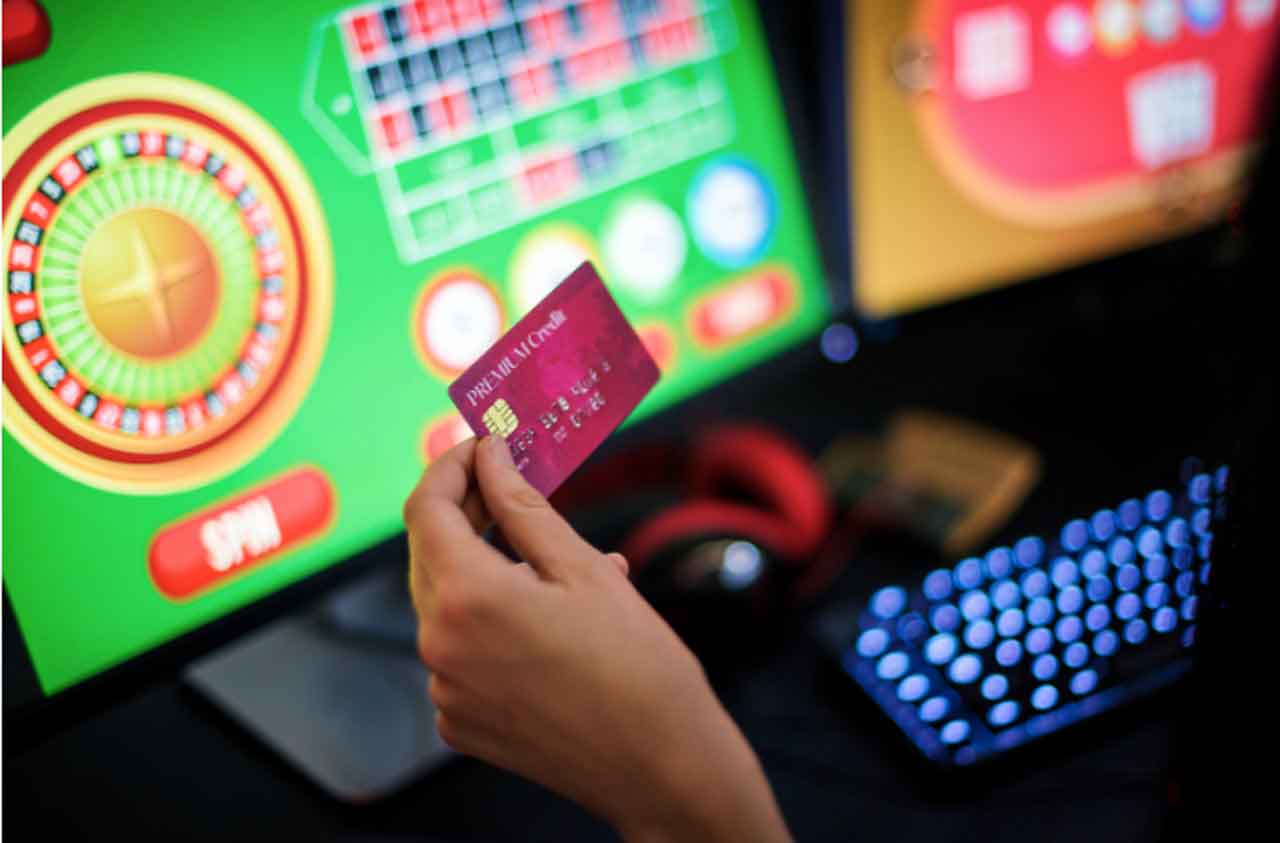
Same-day delivery, on-demand video, tap-to-pay: convenience has reset expectations everywhere. In iGaming, nothing signals reliability faster than payout speed. When winnings arrive quickly ideally via instant withdrawals confidence rises; when cash-outs lag, doubts spread and players switch platforms.
Why payout speed matters more than bonuses or features
Speed delivers a tangible outcome: money back in the player’s account. Bonuses entertain, but delayed access to funds undermines perceived value across the entire journey. When payouts move quickly, satisfaction peaks at the exact moment attention shifts away from gameplay, which strengthens retention more reliably than cosmetic features.
The psychology of waiting
Waiting creates friction. Loss aversion makes players feel “blocked” until funds land. Completion bias frames the cash-out as the end of the session; delays deny closure and sour the memory of the entire experience. Evidence from industry discussions shows faster cash access correlates with higher return intent.
Trust as a real-time metric
Slow payments read as risk or instability; fast ones feel like proof of solvency and fair play. Operators that publish clear timelines and hit them consistently strengthen user trust online, often more than any graphic overhaul or bonus bump. Platforms such as Winshark, which position fast and predictable withdrawals as a core part of the user experience, benefit from stronger confidence signals that directly impact repeat play and long-term loyalty. Trade outlets repeatedly link payout delays to fewer repeat visits and reputational damage.
The mechanics behind instant withdrawals
Under the hood, real-time payouts emerge from orchestration, not a single switch. Payment routing, automated KYC refreshes, risk scoring, and issuer acceptance must align per user and per transaction. Teams that map rail-by-rail constraints and pre-clear identities before cash-out achieve consistently fast releases without inflating manual work.
Payment rails enabling real-time transfers
Modern rails make speed possible: open-banking payouts, push-to-card networks like Visa Direct, and major e-wallets. Each rail carries distinct caps, fees, and settlement rules; some methods of legacy bank wires or checks remain slower due to intermediary hops and compliance steps. Case studies in gaming show push-to-card cutting waits from days to within a day in production environments. Digital payout speed depends on pairing the right rail with the right KYC posture.
Operational bottlenecks
KYC/AML reviews, velocity checks, and manual exception queues throttle throughput. Reputable brands sometimes slow cash-outs to investigate anomalies, protecting the pool for everyone. The job is to uphold integrity without derailing expectations set by the cashier banner.
How withdrawal times influence user loyalty
Money in motion acts like a silent NPS driver. Short payout windows reduce cognitive load, fewer tickets hit support, and players feel respected conditions that nudge the next deposit and the next session. Slow remittances flip that script, converting excitement into vigilance, which erodes repeat behavior even when game content looks strong.
Fast payouts → higher retention
Players return to platforms where money moves fast. Data from adjacent verticals shows measurable retention lifts after real-time payouts launch directionally useful for gaming teams planning a business case. In short: fewer touchpoints, fewer tickets, more repeat sessions, more online platform loyalty.
Social reputation & word-of-mouth
Communities notice payment performance. Real-time confirmations become bragging rights; slow withdrawals generate distrust, negative threads, and chargeback risk that dwarfs any short-term float benefit.
Segmentation: different users, different expectations
High-frequency players rank speed above perks; casual users read quick cash-outs as a fairness signal. Speak to both.
UX and communication – the hidden half of payout speed
Perceived speed grows when the cashier sets expectations and then echoes progress in small, honest steps. Method tables, ETA ranges, and real-time status cues shrink uncertainty, while clear copy reduces second-guessing. Fewer unknowns mean fewer “where is my money?” messages and a calmer post-session experience.
Transparency matters as much as speed
Clear timelines, a visible SLA, and a cashier table with methods, limits, and fees reduce anxiety. Status trackers and notifications reduce “where’s my money?” contacts and reinforce user trust online even before funds arrive.
Real-time status updates build confidence
Simple, honest states Pending → Processing → Completed shape perceived speed. Even when banking rails add minutes or hours, a live progress cue prevents suspicion from filling the void.
The competitive landscape – speed as a differentiator
Operators increasingly divert budget from oversized promos to payment infrastructure and vendor orchestration. Instant confirmations become part of brand identity and paid media messaging. U.S. examples show sportsbooks winning headlines by compressing payout windows with push-to-card playbooks portable to casino apps in regulated markets.
The future – real time as default
Real-time rails continue to expand; more wallets, more instant bank schemes, broader issuer coverage. Expect deposits and withdrawals to complete within seconds by default, with exceptions handled transparently rather than silently queued. Teams that prioritize payout UX, rail diversity, and automated risk reviews will meet the standard set by instant withdrawals and convert speed into durable advantage.