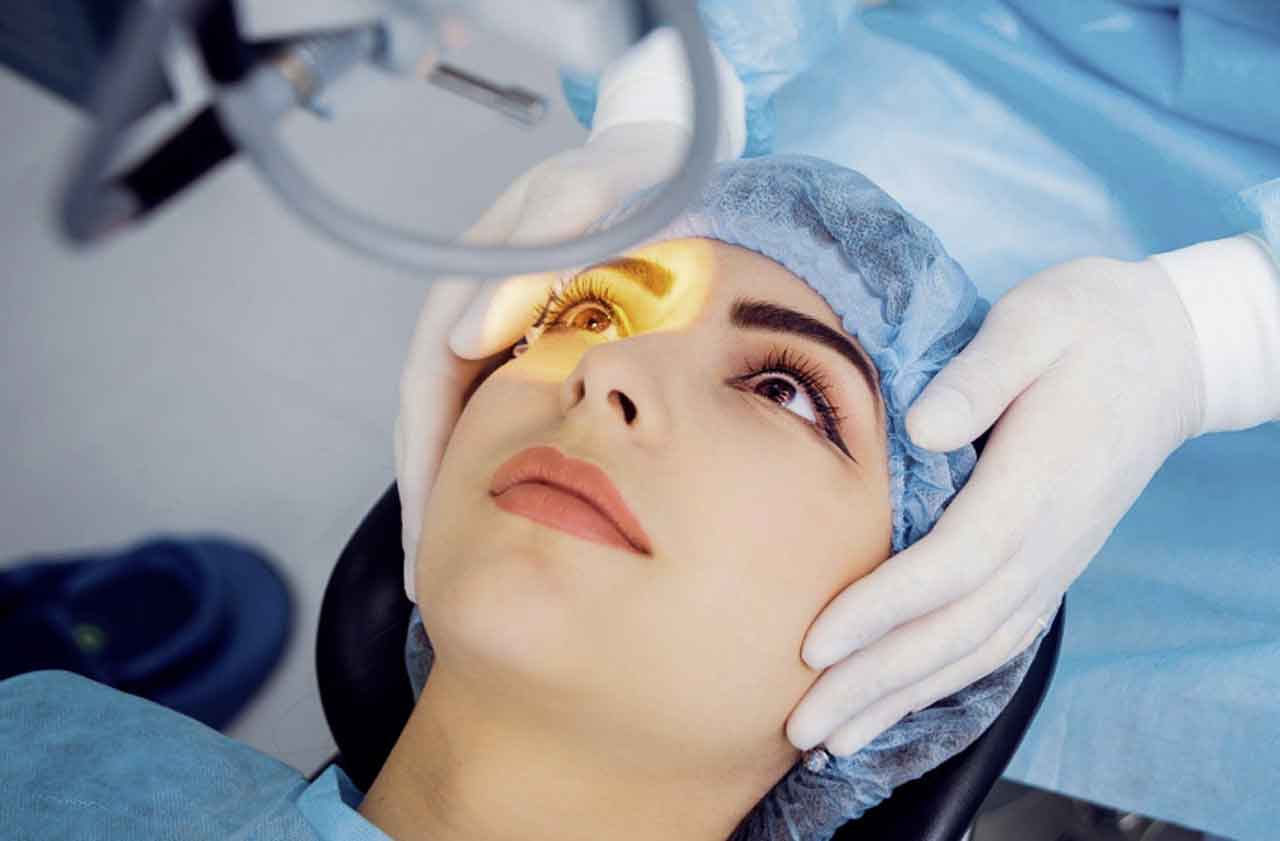
Corrective jaw surgery can feel overwhelming for many patients, especially when they first hear that their jaw alignment issues require more than orthodontic treatment alone. This procedure, known as orthognathic surgery, addresses bite problems, facial asymmetry, chewing difficulty, and even breathing-related conditions. Before making a decision, most individuals want a clear understanding of what the entire journey looks like—from initial consultations to final recovery. Knowing what to expect helps reduce anxiety and builds confidence in the treatment plan ahead.
Orthognathic surgery is a carefully coordinated process that blends oral surgery and orthodontics to correct issues that braces alone cannot fix. Whether the goal is functional improvement, facial balance, or long-term oral health, this surgery delivers transformative results. This detailed guide explains every stage of the experience, helping patients prepare physically, mentally, and emotionally.
Understanding Orthognathic Surgery
Orthognathic surgery refers to the surgical realignment of the upper jaw (maxilla), lower jaw (mandible), or both. The procedure repositions the bones to improve bite function and facial harmony. While orthodontics moves the teeth, surgery moves the jawbones themselves, ensuring that both elements work together harmoniously.
Surgeons rely on imaging technologies, dental models, digital planning, and clinical assessments to achieve precise results. With advancements in techniques, healing time has improved, and outcomes have become more predictable. The goal is to correct issues that impact everyday function, confidence, and long-term oral health.
Why Do Patients Need Orthognathic Surgery?
The need for corrective jaw surgery varies significantly between patients. Some individuals have congenital jaw discrepancies, while others develop misalignment due to trauma, genetic factors, or developmental variations. These conditions often interfere with chewing, breathing, speaking, and overall comfort.
Patients often undergo the procedure to resolve problems such as chronic pain, bite imbalance, or sleep-related breathing issues. Others pursue the surgery for aesthetic reasons, as jaw alignment greatly influences facial proportions, profile shape, and symmetry. In many cases, functional and cosmetic benefits align, leading to substantial improvements in multiple aspects of daily life.
Before The Surgery: What Should Patients Expect?
Initial Evaluation And Diagnosis
The pre-surgical phase begins with an in-depth consultation. The oral surgeon assesses jaw alignment, bite relationship, facial structure, and dental history. Diagnostic tools such as X-rays, photographs, CT scans, and impression models are used to evaluate the exact nature of the problem.
The surgeon collaborates closely with an orthodontist to determine whether the patient’s bite issues require combined surgical and orthodontic intervention. A customized treatment plan outlines the expected stages, timeline, and projected results.
Orthodontic Preparation
Most patients require braces before the surgery. This step aligns teeth so they fit correctly once the jaws are repositioned. Orthodontic preparation typically lasts several months and ensures the best results during surgery. Patients may notice temporary bite changes, which are normal as teeth are moved into pre-surgical positions.
Planning And Simulation
Modern surgical planning often involves digital simulation. Surgeons use 3D software to visualize jaw repositioning, predict functional changes, and examine facial outcomes. Patients gain a clearer understanding of expected results and can ask informed questions.
Pre-Surgery Instructions
Patients receive detailed instructions that may include diet modifications, medication adjustments, lifestyle changes, and fasting guidelines. Quitting smoking, improving oral hygiene, and maintaining good overall health significantly enhance healing and reduce complications.
During The Surgery: What Happens In The Operating Room?
Orthognathic surgery typically takes place in a hospital or accredited surgical center. General anesthesia keeps the patient fully asleep and comfortable throughout the procedure. The length of surgery varies, often lasting between two to six hours depending on the extent of correction.
Surgical Approach
The majority of incisions are made inside the mouth, reducing visible scarring. Surgeons reshape and reposition the jawbones, securing them with plates, screws, or wires. Advanced techniques allow precise adjustments with predictable long-term stability.
Types Of Jaw Surgery
The specific type of surgery depends on the patient’s condition:
- Maxillary osteotomy repositions the upper jaw.
- Mandibular osteotomy adjusts the lower jaw.
- Bimaxillary surgery involves both jaws and provides comprehensive correction.
The surgeon may also make additional adjustments to improve breathing, facial balance, or bite function.
Immediate Post-Surgical Care
After the procedure, patients are taken to a recovery room for monitoring. Hospital stays typically range from one to three days, depending on individual needs and complexity. During this time, medical staff ensures stable breathing, manages discomfort, and provides instructions for post-operative care.
After The Surgery: What Does Recovery Look Like?
The First Few Days
Swelling and discomfort usually peak within the first 48 to 72 hours. Patients often rely on a liquid or soft diet, as jaw movement may be limited. Pain management, hydration, and rest play a crucial role during this stage. Cold compresses and elevated sleeping positions help reduce swelling.
The First Two Weeks
Gradually, discomfort begins to lessen. Patients may still experience numbness in areas such as the lips, cheeks, or chin due to temporary nerve irritation. Oral hygiene becomes increasingly important, and surgeons typically recommend gentle cleaning methods and antibacterial rinses to reduce infection risk.
Energy levels may remain low, but most patients can resume non-strenuous daily tasks within one to two weeks. Follow-up appointments allow the surgeon to monitor healing, remove stitches if necessary, and adjust treatment plans.
The First Few Months
Healing becomes more noticeable as swelling subsides and jaw stability improves. Patients begin soft chewing and slowly transition toward a normal diet depending on the surgeon’s instructions. Orthodontic treatment resumes to refine bite alignment. Full bone healing generally takes three to six months, although minor improvements may continue beyond that.
Long-Term Recovery
By the six-month mark, most patients regain full function and notice significant improvements in bite, comfort, and facial appearance. Scars remain minimal, speech normalizes, and daily activities become easier. The combined benefits often create a long-lasting boost in confidence and health.
Risks And Complications: What Should Patients Know?
Any surgical procedure carries risks, and orthognathic surgery is no exception. Although complications are uncommon, patients should understand potential concerns. Temporary numbness is one of the most frequent side effects due to nerve proximity. Infection, bleeding, or improper bone healing can occur, but these issues are rare with proper care.
It is important to follow all instructions closely and communicate concerns during follow-up visits. Skilled surgeons use advanced techniques to reduce risks, and modern anesthesia makes the procedure safer than ever.
How To Ensure The Best Outcome
Commitment to the treatment plan is vital. Patients should maintain good oral hygiene, attend all appointments, follow dietary guidelines, and avoid activities that strain the jaw. Emotional preparation also matters; having realistic expectations helps patients appreciate the gradual improvements that unfold throughout recovery.
Support from family members, friends, and dental professionals makes a significant difference. A positive environment aids healing and provides encouragement through the more challenging stages.
Costs And Financial Considerations
The total cost of orthognathic surgery varies depending on factors such as the complexity of the case, the surgeon’s expertise, pre- and post-operative care, hospital fees, and required orthodontic treatment. Costs typically range widely, and each patient receives a personalized financial outline.
Insurance coverage may apply if the procedure is deemed medically necessary. Patients should check with their providers for details on eligibility, documentation, and reimbursement. Investing in jaw surgery often leads to long-term benefits in oral health, comfort, and quality of life.
Final Thoughts
Orthognathic surgery is a transformative journey that enhances both function and appearance. While the process involves multiple stages and requires dedication, the long-term results can greatly improve daily life. Understanding what to expect before, during, and after the procedure helps patients feel prepared and confident at every step. Clinics like Nuffield Dental provide the expertise, technology, and care needed to support patients through each phase of treatment, ensuring a safe and successful experience.
FAQs
How Long Does It Take To Recover Fully?
Most patients achieve functional recovery within three to six months, though subtle improvements may continue for a year.
Is The Surgery Painful?
Discomfort is expected but manageable with prescribed medications, especially during the first week.
Will I Need Braces After The Surgery?
Yes, most treatment plans include post-surgical orthodontics to refine the bite.
Can Orthognathic Surgery Improve Breathing?
Yes, jaw repositioning can open the airway and improve sleep-related breathing issues.
Are The Results Permanent?
With proper healing and follow-up care, results are long-lasting and stable.
Will There Be Visible Scars?
Most incisions are made inside the mouth, leaving little to no visible scarring.