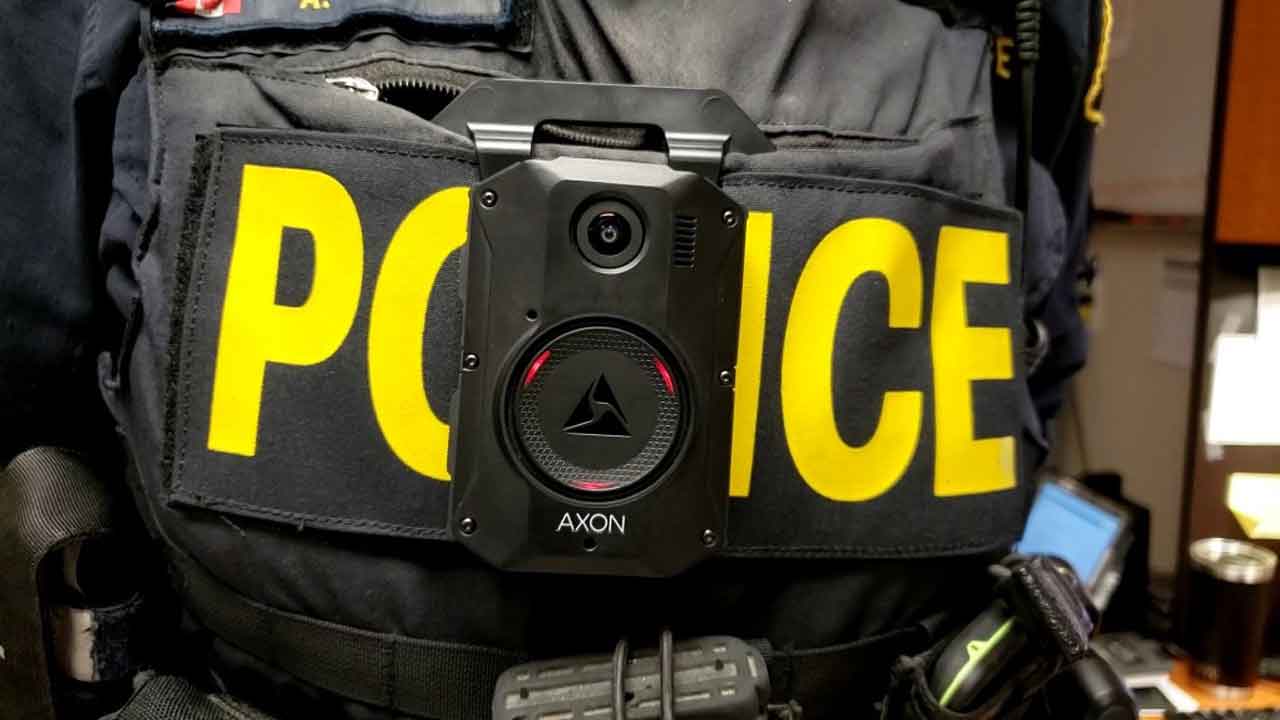
Kenora OPP Charge 19-Year-Old After Two Alleged Incidents
KENORA, ON – A 19-year-old Kenora resident now faces several Criminal Code charges after Ontario Provincial Police (OPP) investigated two alleged incidents in the community involving a youth and a weapon.
Kenora OPP officers arrested Tanner PYE, 19, of Kenora in connection with occurrences reported on December 5 and December 6, 2025.
Police allege that on December 6, 2025, a man attended a residence in Kenora in the early evening hours.
It is alleged he had consumed alcohol, was in possession of a knife, and was demanding to see a youth who lives at the home. When the male homeowner refused, it is further alleged there was an unwanted physical interaction and the knife was displayed in a threatening way.
Police also allege that on December 5, 2025, the same accused was involved in a separate physical altercation with an underage female and attempted to damage her cell phone.
None of the allegations have been proven in court. The accused, like all individuals charged with a criminal offence, is presumed innocent unless and until proven guilty.
Charges Laid Under the Criminal Code
Kenora OPP report that Tanner PYE (born November 28, 2006) has been charged with the following offences:
-
Assault × 2, contrary to section 266, Criminal Code
-
Assault with a weapon (knife), contrary to section 267(a), Criminal Code
-
Unlawful confinement, contrary to section 279(2), Criminal Code
-
Mischief under $5,000, contrary to section 430(4), Criminal Code
-
Carry weapon for a purpose dangerous to the public peace, contrary to section 88, Criminal Code
PYE was released on $300 no-deposit bail on the morning of December 7, 2025, by Justice of the Peace Denette Ellard, with court-ordered conditions. His next scheduled court appearance is January 13, 2026, in Kenora.
What the Charges Mean and Possible Penalties
The following overview is for public information only and is not legal advice. Actual sentences depend on the facts of the case, an individual’s background, and decisions made by the court.
Assault – Section 266
Assault is the intentional application of force to another person without their consent, or an attempt or threat to apply force, where the person has reason to believe the act could be carried out. Even relatively minor, unwanted physical contact can meet the definition.
Under section 266, assault is a hybrid offence – the Crown can proceed either by summary conviction or by indictment:
-
If the Crown proceeds by indictment, the maximum penalty is up to 5 years in prison.
-
If the Crown proceeds summarily, the maximum penalty is lower and can include jail, probation, fines, or a combination.
Because PYE is charged with two counts of assault, each count is considered separately, and any sentence would depend on the circumstances of each alleged incident.
Assault With a Weapon – Section 267(a)
Assault with a weapon involves committing an assault while carrying, using, or threatening to use a weapon or imitation weapon. In this case, the allegation involves a knife, which is considered a weapon under the Criminal Code.
This is also a hybrid offence:
-
If prosecuted by indictment, the maximum penalty is up to 10 years in prison.
-
If prosecuted summarily, the maximum penalty is lower (typically up to 2 years less a day in custody, and/or a fine).
Because assault with a weapon is treated as a more serious form of assault, courts often view it as aggravating compared with simple assault.
Unlawful Confinement – Section 279(2)
Unlawful (forcible) confinement under section 279(2) involves confining, imprisoning, or forcibly seizing another person without lawful authority – essentially restricting someone’s freedom of movement against their will.
It is a hybrid offence:
-
If the Crown proceeds by indictment, the maximum penalty is up to 10 years in prison.
-
If the Crown proceeds summarily, the maximum penalty is up to 18 months in jail.
Courts generally treat unlawful confinement as a serious offence because it involves interfering with a person’s liberty and sense of safety.
Mischief Under $5,000 – Section 430(4)
Mischief can include destroying or damaging property, rendering property useless, or interfering with someone’s use or enjoyment of their property. An allegation involving an attempt to damage a cell phone usually falls under mischief under $5,000.
Under section 430(4):
-
If the Crown elects to proceed by indictment, the maximum penalty is up to 2 years in prison.
-
If the Crown proceeds summarily, the maximum penalty is typically up to 2 years less a day in jail and/or a fine.
Mischief can also carry further consequences such as restitution orders, probation, and a permanent criminal record.
Carry Weapon for a Purpose Dangerous to the Public Peace – Section 88
Under section 88, it is an offence to carry or possess a weapon – including a knife – for a purpose dangerous to the public peace or for the purpose of committing an offence.
This is another hybrid offence:
-
If prosecuted by indictment, the maximum penalty is up to 10 years in prison.
-
If prosecuted summarily, the maximum penalty is generally up to 2 years less a day in jail and/or a fine.
Courts consider the context of how and why the weapon was carried when determining sentence.
Sentencing: Many Factors at Play
Even where the Criminal Code sets maximum penalties, most cases result in sentences below the maximum. Judges consider:
-
The seriousness of the conduct and any harm caused
-
Whether weapons or youth are involved (often treated as aggravating factors)
-
The accused’s age, prior record, and personal circumstances
-
Any steps taken toward rehabilitation or counselling
Outcomes can range from discharges, probation, and community-based orders to custodial sentences, depending on the facts.