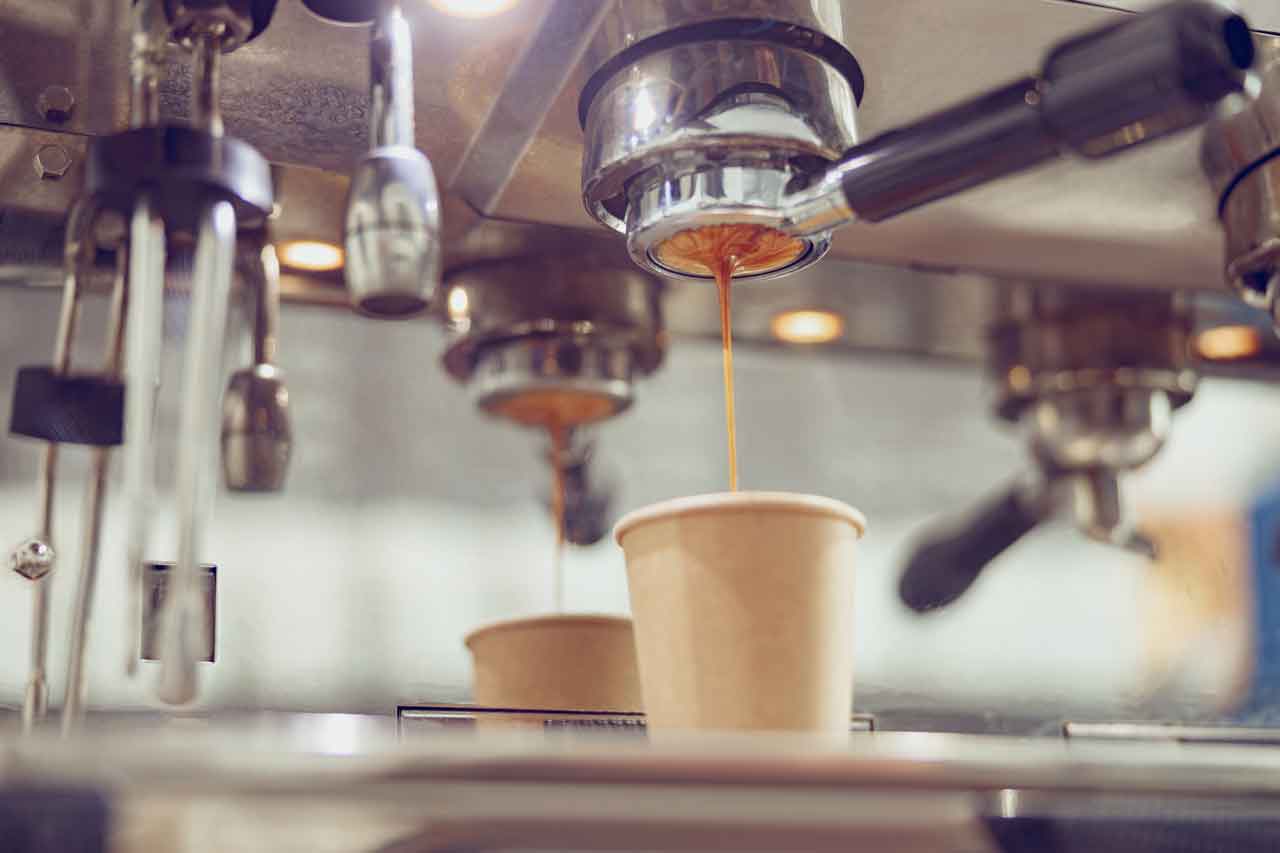
Any coffee shop’s heart and soul is a commercial espresso machine. Regular maintenance ensures a consistent quality of coffee, maximizes the machine’s lifespan, and minimizes the risk of costly breakdowns. It is the duty of baristas—the most relevant role in relation to this equipment—to know how to maintain it. This post offers a few tips for maintaining optimal performance in these machines.
Daily Cleaning Routine
Keeping an espresso machine clean is essential, but it is equally important to have a daily cleaning routine in place. Baristas should backflush the machine at the end of each day. Baristas should use a blind filter and a cleaning detergent to remove any coffee oils and residues from the machine. The best thing to do is rinse thoroughly after so that no soap residue remains.
Steam wands also need attention. Baristas need to wipe the wand with a wet cloth after every use and purge it (release the steam option for a couple of seconds). It prevents internal milk residue that makes the wand unhygienic during frothing. You can serve customers efficiently with a durable commercial espresso machine built for high-volume use.
Weekly Deep Cleaning
In addition to your daily tasks, a weekly deep clean enables you to maintain your machines. Regular cleaning involves disassembling the group head and soaking its components in a warm water cleaning solution. Of course, this part removes the stubborn coffee oils that accumulate over time. Cleaning of drip trays and water tanks to prevent mold and bacterial growth is also beneficial.
During weekly cleaning, steam wands are revisited, and their tips are soaked in hot water to dissolve any milk deposits that have accumulated over the week. Regularly cleaning the machine will keep it in perfect condition, maintaining the best coffee for your customers.
Regular Descaling
Scales from water affect machine functions. The frequency of descaling can vary depending on the water’s hardness, but it may be necessary every three to six months. Descaling solutions are proprietary to each manufacturer, and while many solutions are available on the market, it is best to follow the recommendations and step-by-step directions provided by the barista or manufacturer.
When descaling, it is crucial to rinse the machine thoroughly to remove all traces of the solution. It then minimizes the chance of any undesirable flavors affecting the coffee. It prolongs the lifespan of the machine, as regular descaling protects its internal components.
Consistent Monitoring
As a barista, you must closely monitor the operation of the machines; however, observing the pressure, temperature, or extraction time can also reveal potential underlying issues. Early detection means prompt intervention before the damage is significant.
Monitoring also involves using the senses, such as listening for unusual sounds and looking for leaks, among other things. Timely maintenance of these signs can save on expensive repairs while keeping the machine running smoothly.
Scheduled Professional Servicing
Baristas can provide daily and weekly maintenance, but the machine requires professional servicing. By maintaining routine inspections with a trained technician, the machine can ensure maximum performance. Experts primarily identify and rectify issues that a typical user cannot see.
During a service visit, technicians often inspect pumps, boilers, and electronic components. This complete checkup ensures that no unexpected failures occur and that the machine runs smoothly.
Attention to Water Quality
Water quality is a crucial factor in maintaining an espresso machine. Filtered water minimizes mineral buildup and enhances the taste of coffee. It helps ensure that water filters are replaced, which every barista should do regularly, or else you can end up with poor-quality water going into your espresso machine.
The frequency of descaling also depends on water hardness, which should be regularly monitored to ensure optimal performance. Regular cleaning of the water tank also prevents bacteria from growing, which, in turn, improves the machine’s performance and the quality of the coffee.
Training and Knowledge Sharing
Baristas require training and ongoing training because they also become integral to the maintenance practices of the machine. Coffee shops provide a space for growth, learning, and teaching. Regular workshops and training sessions keep baristas up-to-date with the latest maintenance tools.
Promoting open lines of communication between your staff to bounce tips, stories, and experiences off each other. Collaborative knowledge is excellent for the team, enabling everyone to understand how to maintain the machines.
Conclusion
Commercial espresso machines take some love and maintenance. Daily cleaning, weekly deep cleaning, regular descaling, and professional servicing—these are all steps that baristas can take to keep their machines in optimal condition.
Another key aspect is the proper handling of coffee grounds, as well as paying attention to the quality of the water used. Coffee shops can invest time in training staff and sharing knowledge to ensure that outstanding baristas maintain their equipment after the sale. That commitment ultimately yields superior coffee and satisfied customers.