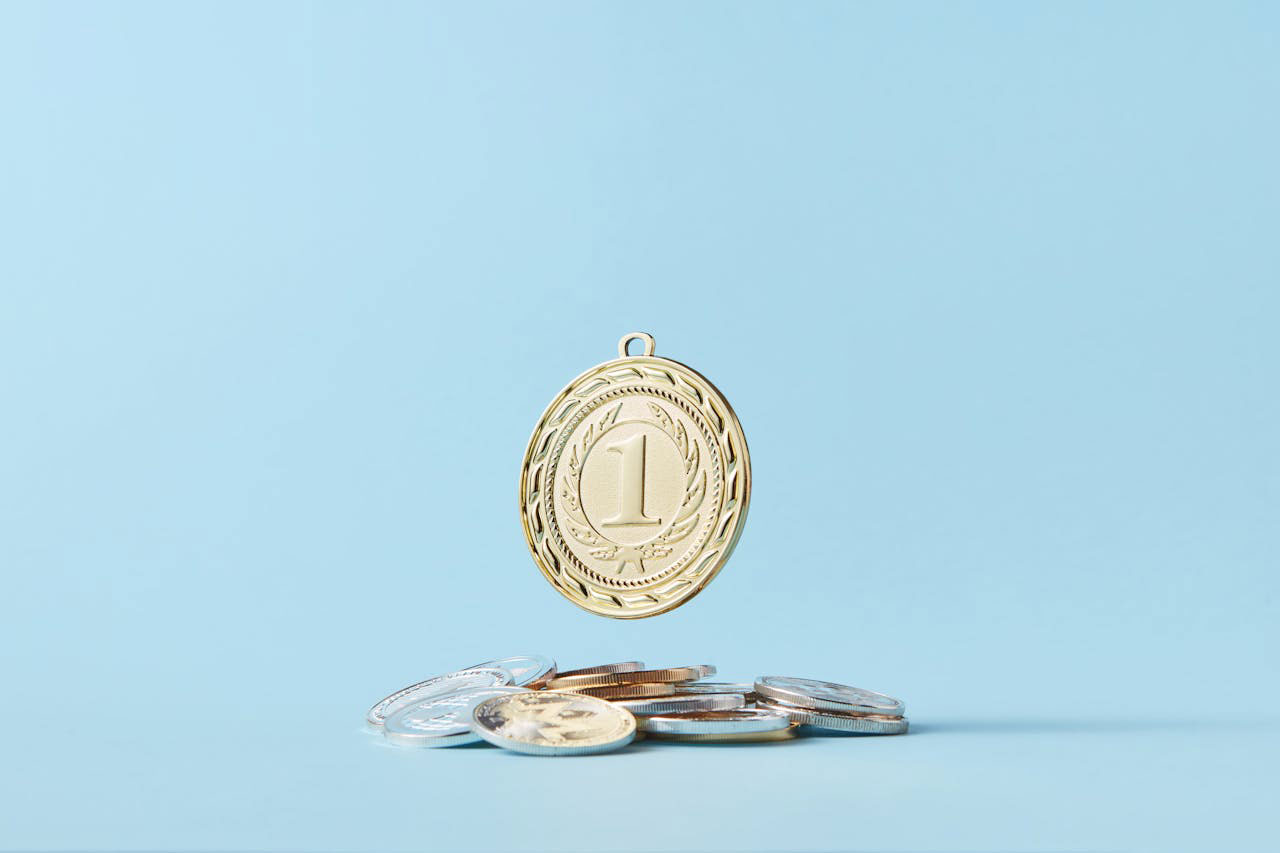
Every town has people who step up when others need help, often without any spotlight at all. Marking that work with a lasting token keeps the story alive long after the moment passes. A small coin invites a short speech, a handshake, and a memory that families will share for years.
Custom coins do that job well for service members, first responders, and volunteers who build trust every single day. Readers may know makers like Challenge Coins 4 Less, which connects directly to a resource on military challenge coins. The coin tradition began in uniformed ranks, then spread across civic groups with steady and proven use. Communities now use coins to thank, motivate, and remember in ways people will carry for years.
Honoring Service Milestones People Remember
Coins turn a short ceremony into a keepsake that lives in a pocket, drawer, or shadow box. A firefighter’s tenth year, a cadet’s first training cycle, or a nurse’s demanding shift series all fit well. Leaders hand over the coin, speak a name, and the room settles on that shared achievement together. The moment becomes a simple story, and the coin becomes the story’s most portable and durable proof.
Milestone coins help departments track service in clear steps that feel fair and consistent to everyone involved. Teams can add unit logos, dates, and mottos without clutter or confusing tiny text that hinders readability. Many programs follow a three tier layout to separate service time from special merit or commendation. That format helps budget managers order smartly while keeping each tier easy to explain for recipients.
Agencies often pair coins with letters that list duties, incidents, or community programs linked to the milestone. The letter guides future supervisors who were not present for the ceremony that day. It also helps families understand what the service looked like over years of steady effort. Together, the set builds a record that holds up during reviews and retirement planning.
Bringing Volunteers Into The Circle
Local drives depend on residents who give time after work and during weekends without any expectation of pay. A volunteer coin thanks them in a format long tied to duty, responsibility, and strong team identity. It shows the city values unpaid labor with the same respect shown to sworn service members. People return because gratitude feels public, sincere, and connected to shared goals that matter locally.
Volunteer coins work well with quarterly recognition that keeps momentum moving in a predictable cadence. Organizers can present coins at food bank shifts, park cleanups, or literacy events serving local schools. Clear criteria prevent confusion and help avoid feelings of missed credit among equally hardworking peers. A simple note card with the coin adds context and reduces ceremony time for busy staff.
Programs can include options for youth volunteers who help at races, festivals, and seasonal safety events. A slightly smaller coin helps with cost and fits younger hands more comfortably during presentations. Schools appreciate recognition that aligns with service learning targets they track across academic years. Parents see a bridge between class projects and real service in the community.
Marking Cross Border And Joint Training
Thunder Bay agencies train with regional, federal, and Indigenous partners during complex exercises across varied terrain and seasons. A joint coin records who showed up, what they trained on, and which lessons stayed useful later. The coin’s shared emblem reinforces unity when teams disperse back to daily routines and calls. It also travels in pockets, which keeps the partnership visible during later meetings and planning sessions.
Programs often include the exercise name, location, and the year across the reverse near the motto. A small checklist can sit inside a gift box with three training objectives clearly noted. This helps recall after a busy season when details blur for tired crews and coordinators. It also guides future planning by showing which skills a drill actually covered with success.
For broader context, Canada’s public safety resources outline coordination across jurisdictions in clear terms for planners Public Safety Canada. That page helps organizers align coin themes with real capability goals that appear in audits and reports. It keeps recognition aligned with the work and not only with tradition or habit. It also shows where partnerships fit across formal emergency management phases communities follow consistently.
Supporting Wellness And Peer Recognition
Morale rises when praise is steady, tangible, and tied to shared standards everyone understands without guesswork. Peer to peer coins let crews nominate quiet helpers who coach, cover shifts, or mentor new recruits. The coin lowers the bar to speak up and thank someone without a full public ceremony. It can be handed over at roll call with two lines about the reason that matters.
Consider a simple peer program with three guideposts teams can apply fast without heavy paperwork requirements.
- Nominee helped a colleague solve a tough shift problem under time pressure during the last month.
- Nominee coached a new member through a skill that improved service quality for residents across multiple calls.
- Nominee showed safe practice others began to copy during drills and live calls over several weeks.
Each bullet anchors the coin to repeatable actions, not vague popularity or personal reputation over time. Supervisors can read a short note into the record so the praise scales fairly across units. The coin then backs that note with weight that feels formal yet friendly and approachable. People remember the coin later and tend to extend the same care forward to others.
Peer programs often set a monthly cap so coins feel earned rather than routine or expected by teams. A small committee reads nominations, confirms fit with guideposts, and records approvals for future reference. Over time, the notes form a map of helpful behaviors new members can study and follow. The coin becomes a signpost pointing to actions that protect both crews and residents reliably.
Preserving Local History For Schools And Families
Coins act like pocket archives, which helps younger residents learn about service through direct conversation and contact. A school visit by a ranger or medic feels larger when a coin changes hands respectfully and thoughtfully. The coin’s symbols spark questions that lead to longer talks at home and in class. Children connect service values to people they meet, not only pages in a textbook that feel distant.
Libraries and museums often build small displays around local service coins and donated personal stories. That display encourages families to share extra coins for public memory work and future exhibits. Rotating cases keep interest fresh while captions add names, dates, and unit affiliations for context. Students see how neighbors helped during floods, fires, storms, and long recovery seasons requiring careful coordination.
For a background on military coin tradition that shaped much community practice, a federal resource helps U.S. Department of Veterans Affairs. Educators can link coin lessons to civic units students already study each term across grade levels. That keeps the practice grounded in facts students can verify during projects and library research. It also gives veterans a respectful reference during classroom visits and local events that honor service.
Bringing It All Together For Lasting Impact
Coins work because they are personal, portable, and tied to clear moments of service people recognize. Pick a small set of uses, set simple rules, and plan presentations that people will remember. Keep designs readable, budgets steady, and timelines predictable for procurement staff throughout the fiscal year. The result is steady morale, better retention, and a public record families can hold with pride.