Quick Answer
Choosing the right building contractor hinges on verifying expertise in post-frame farm constructions, machine shed construction, and custom barn design – all while meeting permit and code compliance standards. Look for experts with a track record of durable, functional designs tailored to real-world farming demands. Prioritize local knowledge, clear communication, and detailed proposals that account for climate, soil, and long-term utility over flashy renderings or vague timelines.
Introduction
Picture this: you’ve finally secured funding for that long-planned machine shed or livestock barn, only to realize the hardest part is just beginning – finding a builder who truly understands agricultural operations. Unlike residential projects, farm structures must balance durability, functionality, and regulatory alignment from day one.
That’s where partnering with an experienced agricultural building contractor makes all the difference. The right professional doesn’t just erect walls and roofs – they translate your workflow, equipment size, and future expansion plans into smart, code-compliant designs. With options ranging from hay storage to heated workshops, getting the foundation right starts well before the first post goes in the ground.
Key Considerations Before Breaking Ground
Before reviewing portfolios or requesting quotes, it’s essential to clarify your own requirements and constraints. Rushing into contractor selection without a clear scope often leads to mismatched expectations, budget overruns, or designs that don’t align with daily operations.
Understanding Post Frame Construction Basics
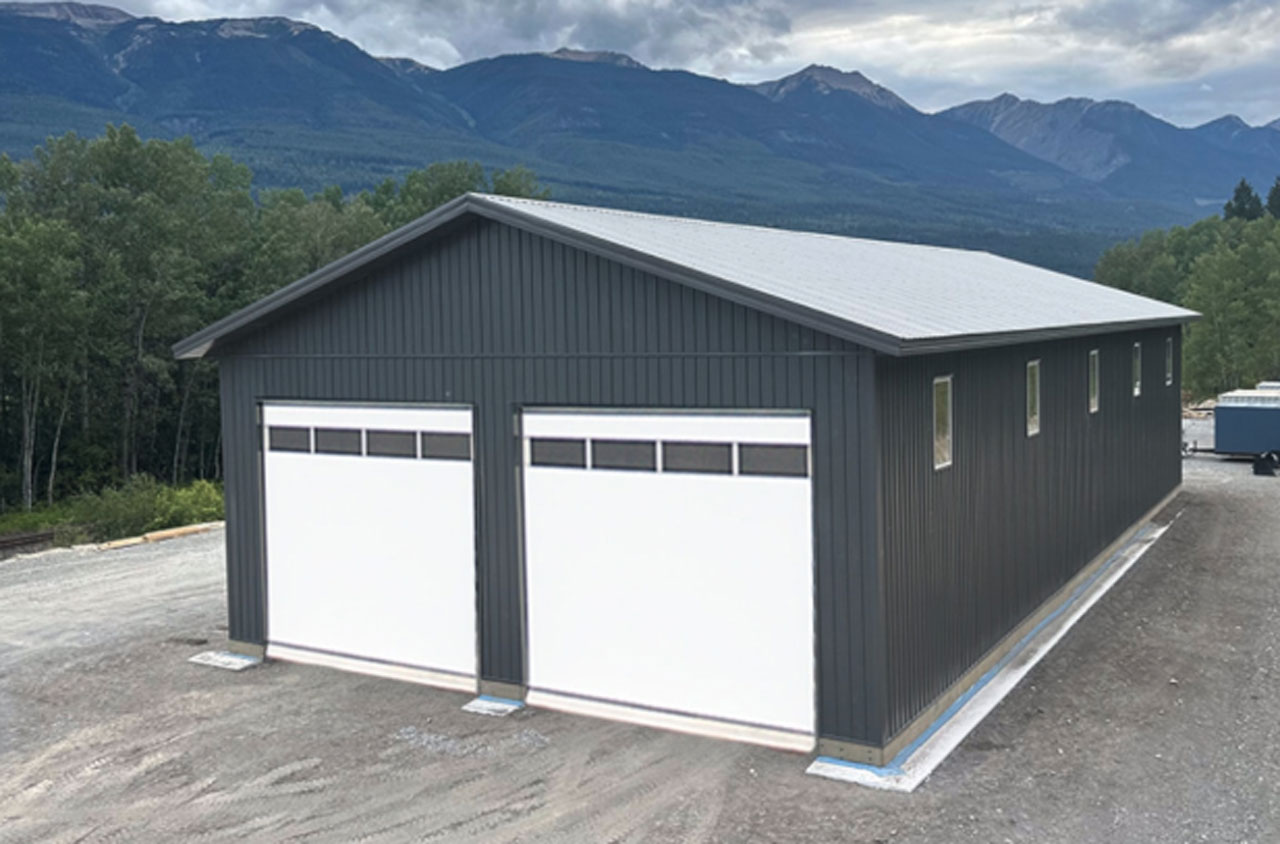
Post frame farm buildings use large wooden posts embedded in the ground or mounted on a foundation to support the roof and walls. This method eliminates the need for interior load-bearing walls, creating wide-open interiors ideal for equipment storage, livestock housing, or hay baling operations. The system is known for speed of construction, cost efficiency, and structural resilience – especially in regions with heavy snow or high winds.
Defining Your Farm Facility Needs
Start by asking: What will this building actually do? Will it store a combine, shelter cattle through winter, or double as a workshop? Consider:
- Equipment dimensions. Will your largest tractor or combine fit comfortably with room to maneuver?
- Future scalability. Could you add lean-tos, overhead doors, or insulation later?
- Utility requirements. Do you need plumbing, electrical outlets, or heating for calving or repair work?
A machine shed construction plan that skimps on clearance or overlooks ventilation might save money upfront but cost more in lost productivity or retrofitting.
Local Regulations and Permitting Realities
Even in rural zones, agricultural structures often require permits – especially if they exceed a certain size, include utilities, or are near property lines. A reputable builder navigates this process smoothly, ensuring full permit and code compliance without delays. They’ll know whether engineered drawings are needed, what snow load ratings apply, and how soil conditions affect foundation choices.
Skipping this step can lead to fines, forced modifications, or even demolition orders. Clarifying these three areas upfront sharpens your search and helps you evaluate contractors based on relevance – not just price.
Evaluating Potential Contractors
Once your project scope is clear, the real work begins: sifting through builders to find one who aligns with your operational goals, budget, and timeline. In agricultural construction, experience often outweighs flashy marketing – so look beyond brochures and focus on real-world capability.
Questions to Ask During Initial Consultations
When meeting with a prospective agricultural building contractor, ask targeted questions that reveal their depth of field knowledge:
- “Can you walk me through a recent machine shed construction you completed, including challenges and solutions?”
- “How do you handle permit and code compliance for rural builds in this region?”
- “What’s your process for integrating custom barn design elements like ventilation, lighting, or insulation?”
Their answers should reflect problem-solving, not just standard procedures. Listen for references to soil conditions, snow load engineering, or workflow planning – signs they think like a farmer, not just a builder.
Red Flags vs. Green Flags in Proposals
Watch for vague timelines, missing line items, or pressure to sign quickly. A transparent proposal includes:
- Detailed material specs (e.g., post size, steel gauge, door hardware)
- Clear scope of work, including site prep and waste removal
- Contingency notes for weather delays or code revisions
Green flags include references from similar operations, 3D renderings that reflect actual use (not just aesthetics), and willingness to adjust based on your feedback.
What to Expect After Hiring Your Agricultural Building Contractor
Selecting a qualified builder is just the beginning – what happens next determines whether your post-frame farm construction delivers on both promise and performance. The journey should reflect precision, adaptability, and an unwavering focus on how the structure will serve your operation long after the crew packs up.
Seamless Project Execution and On-Site Coordination
Once contracts are signed, a professional contractor initiates pre-construction planning with site assessment, utility locates, and final blueprint reviews. A smooth rollout includes:
- Clear communication on start dates and phase timelines
- Coordination with local inspectors for required milestones
- Proactive updates if weather or material delays arise
This stage is where experience shines. Builders familiar with Western Canadian conditions anticipate challenges like frost depth, wind exposure, or clay-heavy soils – and adjust accordingly without derailing the project.
Practical Design Integration During Construction
The best agricultural structures blend engineering with everyday usability. Watch for thoughtful touches that signal operational awareness, such as:
- Overhead door placement aligned with equipment entry paths
- Roof overhangs designed to direct snow away from walkways
- Interior clear spans that accommodate large machinery or future layout changes
These decisions stem from a genuine understanding of farm workflows – not just adherence to plans. A contractor skilled in custom barn design or machine shed construction will often suggest improvements you hadn’t considered but will appreciate daily.
Final Walkthrough and Long-Term Performance
At project closeout, a thorough walkthrough ensures every detail meets expectations. Verify that:
- All hardware operates smoothly (doors, latches, ventilation panels)
- Drainage slopes direct water away from the foundation
- Documentation includes warranties, maintenance guidance, and as-built notes
A structure built with quality materials – like Perma-Column® foundations or reinforced truss systems – coupled with proper installation, stands up to decades of use. And because it was designed with real farming needs in mind, it doesn’t just shelter your assets – it enhances how you manage them.
Final Thoughts: Build Smart, Build to Last
From initial planning to final inspection, every step in selecting a contractor shapes the functionality and longevity of your farm structure. Prioritize experience in post-frame farm buildings, attention to permit and code compliance, and a track record in custom barn design and machine shed construction.
Ultimately, the right agricultural building contractor delivers more than a structure – they deliver a solution built to support your operation for decades.