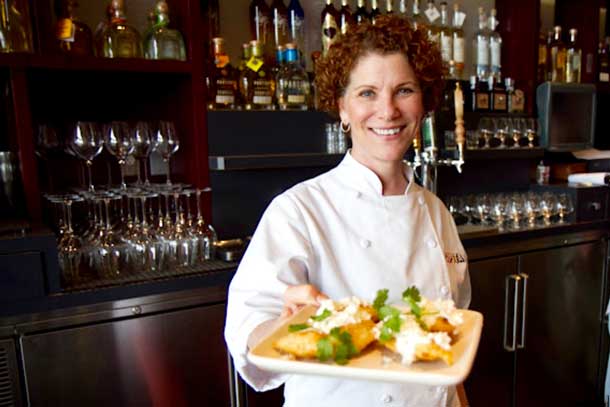
Instagram has long since evolved into one of the most influential social media channels for restaurants to display everything from carefully plated dishes to the ambiance of their dining rooms. Join us as we explore the nitty gritty of why it has become a leading platform for hospitality businesses, and how your restaurant or lounge can become Instafamous while turning engagement into real reservations.
How important is Instagram for restaurants?
Instagram is an essential marketing tool for restaurants today. Think of it as a visual portfolio that instantly communicates your brand’s personality, food style, and dining experience. With more than two billion active users each month, the platform gives restaurants incredible visibility and the ability to reach food-obsessed audiences anywhere.
But it’s more than sharing beautiful entrees. Instagram directly influences consumer choices, converting scrolling users into paying customers. From seasonal specials to glimpses of kitchen creativity, the platform helps you connect with people in a way that traditional advertising simply can’t match.
Impressive Instagram stats for restaurants
Snapping food photos and posting them online has become second nature. According to OpenTable, 58% of diners have picked a restaurant after seeing it on social media. Meanwhile, 69% of millennials photograph their meals and share them online. For restaurants, this means a valuable opportunity to encourage guests to snap and share, essentially turning your menu into free advertising.
How to market your restaurant on Instagram
With its focus on visuals, Instagram is a natural space for promoting your restaurant and reaching an audience that loves good food. Here’s how to do it effectively:
Create a visually appealing feed
Every post should be a mouth-watering snapshot that highlights your standout dishes and distinctive atmosphere. Prioritize high-resolution photos that are bright, crisp, and vivid enough to almost let viewers taste what they see. Experiment with lighting, angles, and composition to emphasize textures and colors.
Don’t limit content to food alone, include eye-catching décor details and ambiance shots that showcase the entire dining experience. Add personal touches such as chef spotlights and behind-the-scenes content to help followers feel more connected. Maintain a recognizable visual theme and consistent posting schedule to reinforce your brand identity without overwhelming your feed. A thoughtfully curated grid reflects the care and craftsmanship behind every plate you serve.
Leverage Instagram Stories and Reels
Stories and Reels provide an energetic and more casual way to display what makes your restaurant special. Use Stories to promote flash deals, customer highlights, or live peeks into the kitchen, creating urgency and excitement.
Reels are ideal for:
- Action-packed service moments
- Artistic plating
- Fun, short recipe demos
- Team introductions
These formats encourage interaction, keep your content current, and ensure your restaurant stays top-of-mind.
Engage with your audience
Social media thrives on two-way communication. Respond quickly to messages, comments, and reviews to show people their voices matter. Ask followers for their opinions or suggestions — engagement builds loyalty and strengthens your community.
Host polls, quizzes, and Q&As in Stories to spark fun participation. Share and celebrate guest posts to show appreciation and deepen their bond with your brand. Every interaction reinforces your hospitality, even before customers arrive in person.
Monitor and adapt
Review Instagram Insights frequently to understand which content performs best. Track engagement on different post styles and adjust accordingly. If videos of the chef plating are drawing more attention than dish closeups, shift your efforts in that direction.
The key is staying flexible and blend trending styles with what stays true to your restaurant’s personality. A responsive strategy keeps your feed exciting and aligned with audience preferences.
Hashtags and geotags
Relevant hashtags and clear location tags increase how often new users discover your posts, especially people searching for dining options nearby. Create a custom hashtag for your restaurant and include it in your bio so guests know exactly what to tag when they visit. This helps track content and encourages even more sharing.
User-generated content
User-generated content (UGC) includes any photos, videos, or captions guests post about your restaurant. It’s powerful for several reasons:
- It provides authentic social proof
- It nurtures community among diners
- It boosts your visibility
- It gives you more content without additional workload
Encourage customers to share their moments, it turns happy diners into your biggest promoters.
Offer rewards and competitions
A guest posting a delicious dish is a personal recommendation to everyone who follows them. Repost their Stories, thank them publicly, and build relationships.
Take engagement a step further by running contests such as offering a complimentary drink or appetizer for the best tagged photo. Partner with a professional photographer to capture candid dining moments for even stronger visuals. These efforts elevate brand exposure and create unforgettable customer connections.
Partner with Instagram influencers
Influencers can quickly introduce your restaurant to a new and highly engaged audience. Find creators whose followers match your target market and propose a collaboration; perhaps a hosted meal in exchange for posts and Stories.
Make sure the partnership includes a clear agreement defining expectations, timing, and deliverables. When done right, influencer endorsements significantly improve your reach and reputation.
Sync your Instagram feed to your website
Integrating your Instagram feed into your restaurant website keeps content fresh and adds visual appeal. It lets visitors see real diners loving your food, increasing excitement and boosting reservation potential right from your homepage.
How often should I post on Instagram?
We decided to ask the CEO of CJ Digital, Joshua Wood, this question, and he said that posting around three times weekly helps maintain visibility and engagement. Whether you manage your own marketing or delegate to a team member, researching successful restaurant accounts can inspire fresh ideas and support consistent content planning.
Joshua expands on this advice by saying that posting too frequently can overwhelm followers and dilute your best content, while posting too little causes your restaurant to disappear from customers’ feeds altogether. He emphasises that consistency, rather than volume, is what strengthens brand recognition. A well-timed posting schedule ensures your restaurant stays relevant, keeps followers hungry for more and encourages the Instagram algorithm to continue surfacing your content to people looking for a great place to dine.
Does social media increase sales for restaurants?
Yes — and the numbers prove it. Nearly one-quarter of millennials and 22% of Gen Z admit social media influences their dining decisions. They’re also 99% more likely to choose a restaurant based on online reviews and visuals.
Instagram and other platforms like Facebook, TikTok, and X can become strong revenue drivers. Combine regular posts with limited-time promotions, menu announcements, and interactive campaigns to convert followers into first-timers and eventually into regulars.
Summary: Instagrammable restaurants
Instagram remains one of the strongest tools for expanding your restaurant’s reach. When used thoughtfully, it becomes a powerful promotional channel — one that encourages engagement, drives bookings, and motivates diners to spread the word about why your restaurant is the place to be.