Your back carries your weight and daily stress every single day. The spine is the body’s main support system, and any tension or imbalance quickly affects how you feel. Long hours at a desk, constant stress, and lack of movement all lead to fatigue and pain. When your back feels strained, your productivity drops, your irritability rises, and your sleep often suffers.
A healthy back means more than being pain‑free. It’s about moving with ease, keeping good posture, feeling confident, and enjoying life without restrictions. Taking care of your back should be a regular habit, and massage is one of the most effective ways to do it. Whether at home or while traveling, many people look for trusted places to relax and recharge, for example, the best massage in Dubai, where professional care is combined with a soothing atmosphere.
Regular back massages promote relaxation, but persistent pain often stems from underlying joint issues. When conservative therapies fall short, consulting an orthopedic specialist in Orland Park Skyline Ortho is crucial. Specialized care in hip procedures ensures you regain mobility and live a life free from chronic physical discomfort.
Common problems
Modern lifestyles make back pain almost routine. People often complain about:
- discomfort in the neck and lower back
- scoliosis
- muscle tightness
- herniated discs
- radiculitis
- numbness in the arms
These issues can be temporary or chronic. Doctors usually recommend not only medication but also a course of back massage to relieve tension and speed up recovery.
How a back massage works
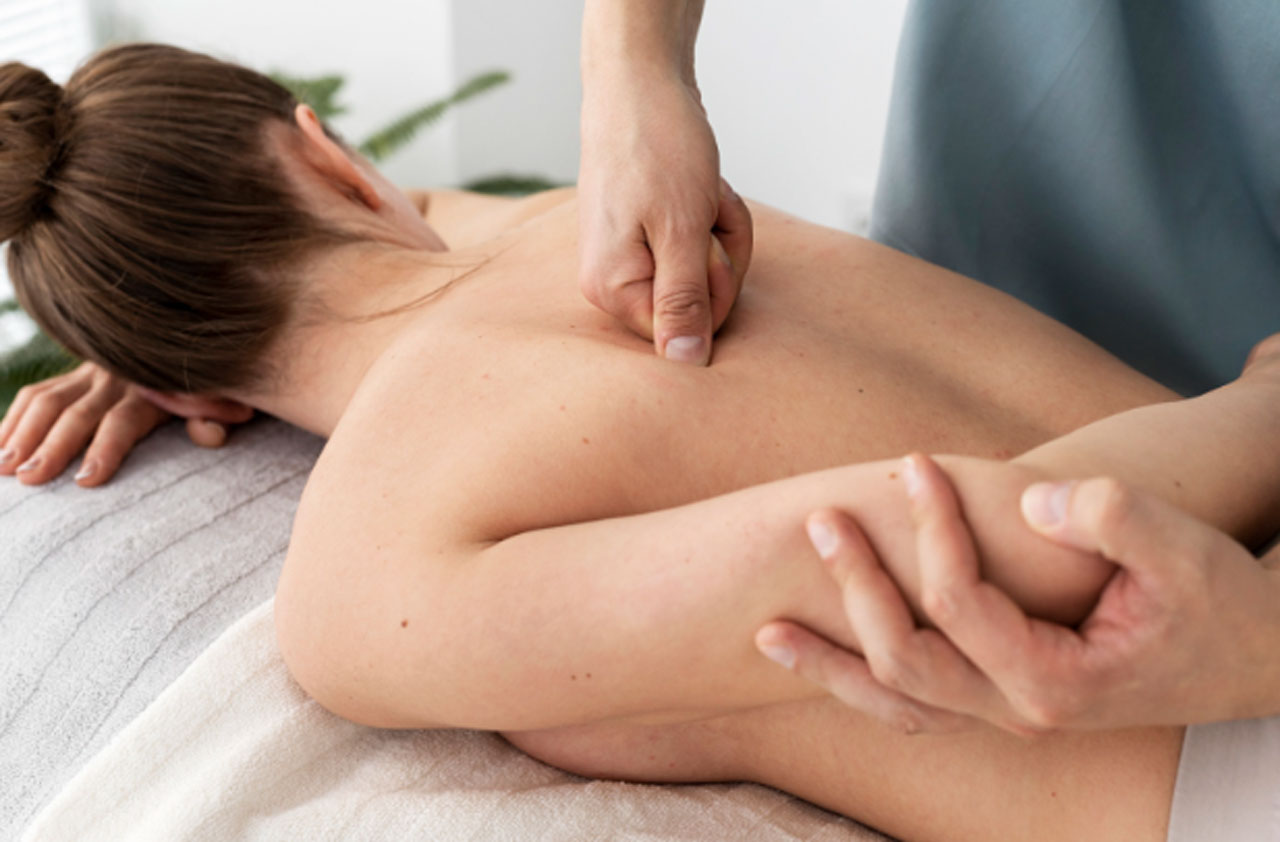
Back massage combines different techniques: stroking, kneading, pressing, and stretching. A skilled therapist adjusts the approach to your body’s needs. After a session, circulation improves, muscles soften, metabolism speeds up, and pain fades.
Massage can be gentle and soothing or deeper and more intense. It depends on your goals: relaxation, pain relief, or recovery after physical strain.
Healing benefits
Regular sessions help with chronic pain, scoliosis, and the effects of sitting too much. Massage eases spasms, improves joint mobility, and speeds up recovery after injuries. Athletes benefit too, since massage reduces soreness and lowers the risk of repeated injuries.
It also supports internal health. Because the spine and back muscles are closely connected to the nervous system, releasing tension can improve breathing, digestion, and even circulation.
Relaxation and rest
Massage isn’t only for pain. It’s also a way to recharge. It helps with insomnia, mood swings, and fatigue. After a session, the body lets go of built‑up tension, leaving you calm and energized. Many call it a “reset button” for the body and mind.
Don’t expect instant results after the first visit. At the beginning, the therapist is learning how your body responds, testing different techniques and pressure levels. The sensations may feel unusual, but after a few sessions you’ll notice real relief and better overall well‑being.
Mental benefits
Massage affects mood as much as muscles. It lowers stress, sharpens focus, and improves memory. Many people say they feel calmer and more balanced after a course of sessions. It’s like a mini‑vacation: just an hour on the massage table can leave you refreshed as if you’d taken days off.
Practical tips
- Frequency: for prevention, one or two sessions a month are enough. For pain or tension, a course of 8–10 sessions works best.
- Duration: 30–40 minutes is ideal. Shorter sessions are good for relaxation, longer ones for deeper work.
- Choosing a therapist: look for someone experienced with back issues. A good therapist always asks about your condition and tailors the massage to you.
- Combine with other habits: stretching, light exercise, and balanced nutrition enhance the benefits.
- Home care: after massage, gentle stretching and mindful posture help maintain results.
Types of back massage
Back massage comes in many forms, and each style has its own purpose. Choosing the right one depends on your needs, whether you want deep relief, gentle relaxation, or quick recovery after exercise.
Classic massage
This is the most common type, often called Swedish or therapeutic massage. It combines long strokes, kneading, and gentle pressure to improve circulation and ease muscle tension. Classic massage is perfect if you want an overall reset for your back and body.
Relaxing massage
Soft, flowing movements calm the nervous system and help release stress. It’s less about working deep into the muscles and more about creating a sense of peace. A relaxing massage is ideal when you feel mentally drained, have trouble sleeping, or simply want to unwind.
Trigger‑point massage
Focused pressure is applied to specific tight spots, often called “knots.” These areas can cause pain not only in the back but also in other parts of the body. Trigger‑point massage helps release these knots, reduce discomfort, and restore mobility.
Myofascial release
This technique works with fascia, the connective tissue that surrounds muscles. Gentle, sustained pressure helps loosen restrictions, improve flexibility, and reduce chronic stiffness. Myofascial release is especially useful for people with long‑term tension or posture issues.
Sports massage
Designed for athletes or active people, sports massage combines deep pressure with stretching. It helps muscles recover faster, lowers the risk of injury, and prepares the body for future workouts. Even if you’re not a professional athlete, sports massage can be a great choice after intense physical activity.
Self‑massage
Foam rollers, massage balls, and handheld devices allow you to work on your back at home. Self-massage is not as thorough as a professional session, but it’s a practical way to relieve tension between visits to a therapist. It’s quick, affordable, and keeps your muscles in better shape day to day.
Investing in yourself
A back massage is not a luxury; it’s self‑care. It keeps you productive, lifts your mood, and strengthens your body. Regular sessions are an investment in long‑term health and well‑being. Your body will thank you with easier movement, more energy, and a sense of inner calm.