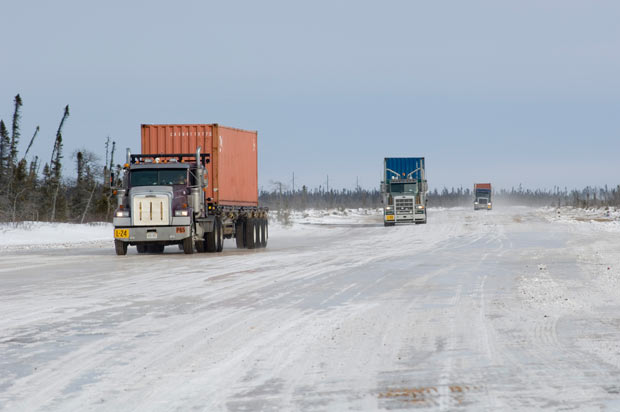
Seasonal roads are still very important for the remote communities in Northwestern Ontario
Thunder Bay — Indigenous News — The Ontario government is putting $8 million into the 2025-26 Winter Roads Program. This will help keep important seasonal connections open to 32 remote First Nations and the Town of Moosonee, including a few in Northwestern Ontario.
These winter roads, which are more than 3,200 kilometres long, make it possible to deliver important goods, make it easier to get to health care and other services, and help Indigenous people connect with their culture and do business.
Minister George Pirie said, “This investment is more than infrastructure; it’s about making sure the community is healthy and has economic opportunities.” “Winter roads are a lifeline for the economy and social life in communities all over the Far North.”
Key Investments Affect Northwestern Ontario
The province’s money will directly help a number of communities in Northwestern Ontario, including:
Weenusk First Nation is getting $452,099 to build the only road that connects to Fort Severn.
Wawakapewin First Nation got $280,356 to connect to Highway 599, which is an important route for goods and people.
Sandy Lake First Nation got $248,654 to connect with Deer Lake and Keewaywin through winter road systems.
Animakee Wa Zhing #37 is getting $117,336 to build a road from Windigo Island to Kenora, which is the only way for people in the community to get there.
These funds help build and keep up seasonal routes that more than 24,000 people use during the short winter window, which is usually from January to March.
Winter Roads: Not Just for Getting Around
The seasonal road system is very important for getting food, fuel, building materials, and medical supplies where they need to go. It’s also a way for families to get back in touch and for patients to get specialized care. For resource sectors like mining, winter roads are a cheap, short-term way to get to operations in remote areas.
Minister Greg Rickford said, “Our government is committed to infrastructure that empowers northern Indigenous communities.” “We are meeting the need for routes that are open seasonally and make both social and economic resilience stronger.”
The investment is part of a larger effort to improve infrastructure. For example, there is an extra $5 million under the Bridges and Culverts Stream for important repairs and upgrades to crossings on winter roads.
Looking Ahead: More Money and More Impact on the Region
In 2025, Ontario raised the amount of money it gives each year to the Winter Roads Program to $13 million. This shows that the province is very committed to having reliable seasonal infrastructure. The province is strengthening its plan to “Connect the North” and help economic reconciliation and rural vitality with Connecting Links and broader transportation planning already in progress.
Minister of Transportation Prabmeet Sarkaria said, “Strong, easy-to-reach roads are essential for keeping northern communities connected and safe.”
Climate change is making winter roads less reliable, so consistent funding and working together as a community are still very important for long-term planning in places like Thunder Bay and all over Northern Ontario.