The global used car market is projected to reach USD 2.70 trillion by 2030, so it’s clear people are interested. Lower prices and the current economic environment keep many buyers at arm’s length from buying a brand-new vehicle.
But this doesn’t mean used cars are not good. Some are so well-made and well-maintained that they will take you wherever you need to go for years to come. However, there are also the ones that look pretty on the surface but are a total mess on the inside.
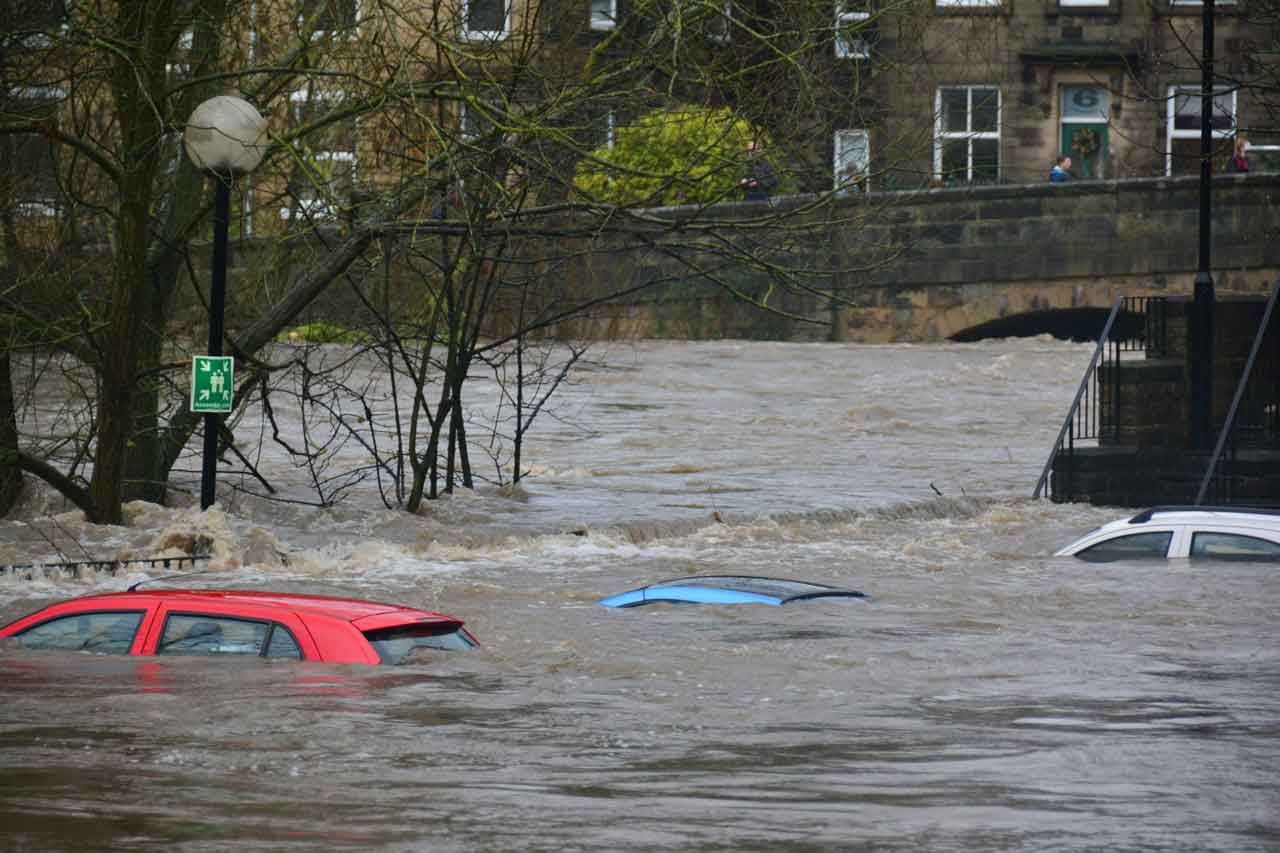
After all, there’s a reason used car dealerships invest a lot in detail. They can take a car that spent three days underwater during a hurricane, get it scrubbed, scented, and rolled onto a lot, looking like it just left the factory.
Sadly, the documentation can be “washed” just as easily as the interior by moving the car through states with lax registration laws. But water is insidious. It gets into places a detailer’s rag can’t reach. In time (not too long), it becomes obvious that your shiny, almost-new car has seen some dark days.
But by then, it may be too late to do anything about it (or can you?). Let’s first teach you how to spot flood-damaged used vehicles and stay away from trouble.
The 3 Tests to Run on a Used Vehicle
Everyone knows there are a few things to keep in mind when buying a used vehicle, but do you know how to look for signs of flood damage? If not, here are some of the most common tests to run before signing anything:
1. The Sniff Test
If you open the door and it smells like a pine forest, heavy vanilla, or overwhelming bleach, be suspicious. The seller is trying to cover something up.
If it’s a hot day, let the car sit in the sun for 10 minutes to bake. Then, open the door and take a deep breath immediately. Heat brings out the mildew smell that chemicals try to hide. If it’s not hot, turn the heating on and let it build up.
2. The Seatbelt Test
This is the one trick detailers almost always forget. They clean the visible part of the seatbelt, but not the part retracted inside the pillar.
Pull the seatbelt all the way out to its mechanical limit. Look at the very end of the belt. Is there discoloration? Is there a faint water line? Are there mold spores or dampness? If the bottom of that belt is stained, that car was swimming.
3. The Underside of the Interior
The metal inside the cabin is not treated to resist rust because it’s never supposed to get wet. So, make sure to check the metal tracks the seats slide on. Are the mounting screws rusted? Is the rail itself flaking?
Get on your knees and look up under the dashboard with a flashlight. Look at the metal springs and rods connected to the brake and gas pedals. Surface rust here is a massive warning sign.
What If You Bought a Flood-Damaged Vehicle?
Sometimes it happens—the detailing was too good, or you didn’t know what to check, and you already bought the car. What now?
Talk to a local lawyer specializing in undisclosed accident damage cases. It may seem like a hopeless situation, but you should have been informed about the vehicle’s true condition before you bought it. If the seller failed to mention it or they put extra effort into hiding it, they’re about to learn why you shouldn’t lie for sales.
In Summary
It’s crucial always to pay attention to the smallest details when buying a used car. But even if you get tricked, it doesn’t mean you’re out of luck or options. Find the right legal representation and go kick that seller’s butt in court!