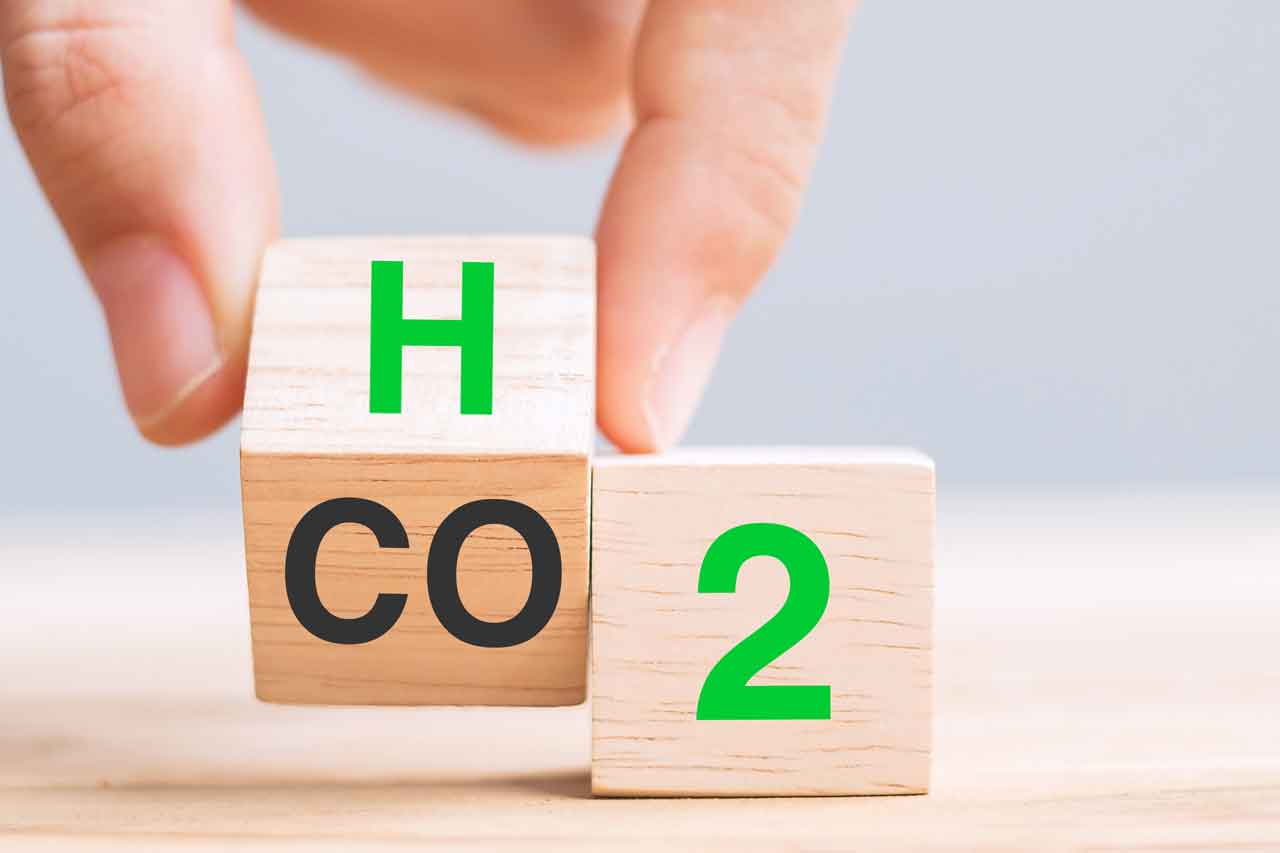
The Promise That Never Left the Train Station
By James Murray
Thunder Bay – Editorial Analysis – In 2007, Dalton McGuinty was the Premier of Ontario. He had a big idea: the Bombardier plant would become the best place in the world to build hydrogen-powered trains.
This would have put Thunder Bay, and Ontario at the front of the line for zero-emission rail.
That early promise is well-known in rail circles as the first time hydrogen-powered rail (“hydrail”) was talked about in public in Ontario.
Then, nothing
The idea faded into the background, and people often thought of it as a campaign promise that never turned into a funded program, a prototype, or a production line in Thunder Bay.
Go ahead and fast-forward In less than twenty years, Alberta—not Ontario—will be home to North America’s most visible hydrogen locomotive project.
Canadian Pacific Kansas City (CPKC) is testing several hydrogen locomotives in Alberta. The provincial agency Emissions Reduction Alberta is helping with this by providing hydrogen fuelling and production stations in Calgary and Edmonton.
Big Projects in Alberta
Alberta and the Edmonton area have also been called Canada’s first major hydrogen hub, with billions of dollars in potential investment and dozens of low-carbon hydrogen projects.
Thunder Bay, on the other hand, is working hard to avoid telling that story again as a new technology transition happens: the move from lithium-ion batteries to a future with more mixed batteries that include sodium-ion.
How Alberta Got on the Hydrogen Wave
The Hydrogen Boom in the West
Ontario let its early hydrail talks stall, but Alberta moved quickly after 2020:
The Edmonton Region Hydrogen Hub (2021) was started with help from the federal, provincial, and municipal governments. Its goal was to turn an existing industrial base into a launchpad for hydrogen production, pipelines, and end-use projects.
Plan and Strategy for Hydrogen: Alberta saw hydrogen as a key way to diversify in a world with less carbon. They used existing gas infrastructure, geological storage, and CCS to make “blue” and “low-carbon” hydrogen.
Many projects: The progress report for Canada’s national hydrogen strategy keeps track of about 80 low-carbon hydrogen projects across the country. These projects could bring in more than $100 billion in investment, with Alberta getting a big share.
There is more than just an idea of “future fuel” in the air. There is also steel and jobs in maintenance shops and fabrication yards.
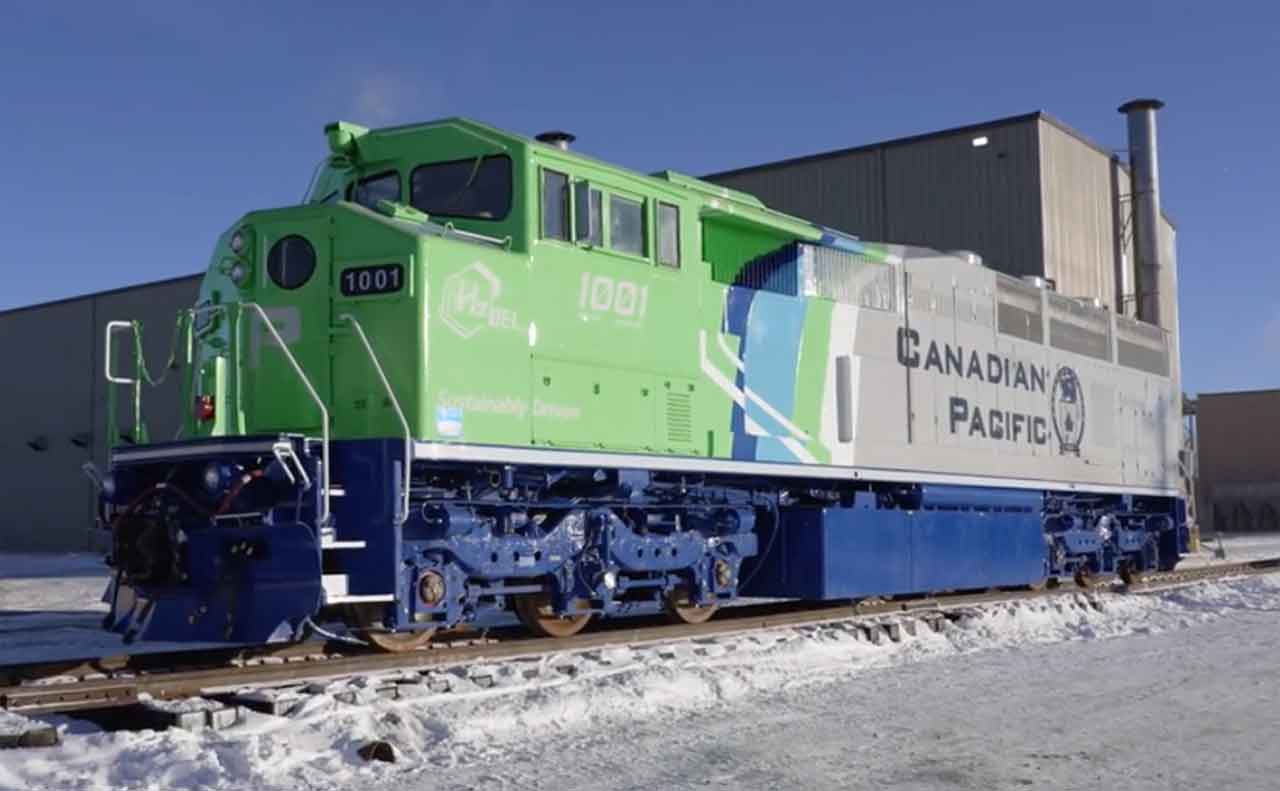
CPKC’s Hydrogen Locomotives: A Missed Chance for Thunder Bay
If Thunder Bay could have ever anchored a project, it would have been hydrogen freight locomotives. In 2020, CPKC (then CP) said it would build North America’s first line-haul hydrogen-electric locomotive by adding fuel cells and batteries to a diesel unit.
With help from Emissions Reduction Alberta and federal low-carbon funds, the program grew to include more locomotives and fuel stations in Calgary and Edmonton.
By 2024–25, CPKC had three hydrogen locomotives in service. They had passed service tests in Alberta and heavy-haul tests in the mountains of British Columbia. They also had a joint venture with CSX to send conversion kits to the U.S.
In reality, McGuinty’s idea of making Thunder Bay a world hydrail hub turned into an Alberta-centered program run by the railway itself with the help of outside fuel-cell technology companies.
The Bombardier plant in Thunder Bay was once thought to be the place where those hydrogen trains would be built. However, it had nothing to do with the locomotives that are now running on hydrogen. Instead, the facility has had to deal with dips in transit orders and regular layoffs.
It’s an uncomfortable lesson, but it’s important: Talking about a technology early on doesn’t mean much if you don’t build it on time.
It’s Lithium’s Turn Now, and Sodium Is at the Door
While Thunder Bay missed the hydrogen train, it was quietly getting on the lithium train. Northwestern Ontario is now the centre of Canada’s push for critical minerals, especially metals used in batteries.
This Time, Lithium Is Really Booming
The federal “Critical Minerals Strategy” puts lithium and other battery metals at the top of its list of priorities, with billions of dollars in tax credits, infrastructure, and exploration support.
The lithium story in Northwestern Ontario includes Frontier Lithium’s PAK project and its plan to build a lithium conversion facility in Thunder Bay as part of the province’s new “one project, one process” fast-track pilot.
Rock Tech Lithium and Green Technology Metals are both getting help from the federal government to improve the roads and bridges that lead to lithium projects north of Thunder Bay and Armstrong.
Lithium-ion batteries are still the most common type of battery used in electric vehicles and for storing energy on the grid. This is because they have a lot of energy density, well-established supply chains, and prices that have dropped sharply over the past ten years.
At this point, Thunder Bay is on the right side of that curve. This isn’t just talk like the hydrogen promise of 2007. Money is being spent, permits are being granted faster, and big companies are making business cases for building mine-to-chemical plants.
Sodium-Ion: A New Disruptor Is Coming
But as this lithium boom starts, another story is starting to unfold that could, if we’re not careful, turn into Thunder Bay’s second hydrail moment.
Sodium-ion batteries (SIBs) have come a long way quickly. They use lots of sodium instead of lithium.
The second generation of sodium-ion cells from major Chinese manufacturer CATL has been released. These cells have a capacity of about 175–200 Wh/kg, which makes them competitive with lithium iron phosphate (LFP) batteries used in many electric vehicles and storage systems.
Pilot projects for grid-scale storage and lower-range vehicles are already happening, mostly in China, and western companies are starting to follow suit.
Big Projects in Alberta
In some ways, their benefits are similar to those of hydrogen:
A lot of feedstock (sodium salt instead of limited lithium).
Costs may be lower for stationary storage, where weight and volume don’t matter as much. Batteries have a hard time working in cold weather, which is a big problem in places like Thunder Bay.
Alberta’s Emissions Reduction
They also know their limits.
Not as much energy density as the best lithium chemistries. Supply chains and standards that aren’t fully developed.
Not sure about long-term costs and reliability at a large scale.
Still, sodium-ion is realistic enough that most experts now see a split market: lithium-ion for high-performance applications and long-range EVs.
Sodium-ion is a strong competitor for grid storage and transport over short distances or at low cost.
That split could change the way lithium is used, just as Northwestern Ontario starts to make more of it.
The Deep Risk: Another “We Spoke First, Built Last” Story
Thunder Bay has seen the same pattern twice now:
Hydrogen Rail (2007–2020s): Thunder Bay gets Ontario’s first big hydrail promise.
There are no funded prototypes or industrial pivots that follow.
It is Alberta, not Ontario, that becomes the visible hydrogen rail testbed, building locomotives and fueling infrastructure with real jobs attached.
Chemistries and metals for batteries (2020s–2030s):
Northwestern Ontario is now the main source of lithium for Canada; Thunder Bay is getting a conversion plant.
But technology around the world is already moving toward cheaper, alternative chemistries like sodium-ion for some uses and hybrid systems that combine batteries with hydrogen or other storage.
The risk isn’t that lithium will suddenly stop working; most reliable forecasts still show strong demand through 2040. The risk is that the peak is lower and comes sooner than a pure-lithium vision thinks, especially now that long-payback mines and plants are starting to work.
If Thunder Bay only focuses on one type of chemistry in the battery world, it might miss out on the next wave of value-added innovation, which could come in the form of sodium-ion cathodes, solid-state batteries, or integrated hydrogen-battery systems.
1. What the Hydrogen Bust Taught Us About the Battery Boom Strategy Is Not Announcements.
Hydrogen rail showed how quickly a big political announcement can fade without: – Dedicated funding and procurement commitments.
An obvious business partner who stands to gain.
A long-term research and development ecosystem around the tech.
Thunder Bay can’t depend on just one or two mining press releases for batteries. It needs: real local jobs and concrete promises about processing plants.
Partnerships with colleges and universities that focused on battery materials, recycling, and putting systems together.
A plan for how local transit, freight, and northern communities can really use lithium and sodium-ion systems, so they are customers and not just exporters.
2. Don’t put all your eggs in one technology basket.
Alberta’s hydrogen boom doesn’t mean hydrogen will win everywhere, but it does give the province more energy options than just oil and gas.
Thunder Bay should do the same:
Support lithium mining and processing while also courting: manufacturers of sodium-ion cells and suppliers of materials;
Companies that recycle batteries;
Innovators in hydrogen and e-fuel are looking for places to test their products in cold weather.
An “energy innovation district” near ports and railroads that could hold chemical plants, test lines for new rolling stock, and battery or hydrogen systems integration shops.
3. Connect Big Technologies to Local Needs – Alberta’s hydrogen economy is gaining ground because it is based on real local needs, such as upgrading oil sands, making ammonia, moving heavy freight, and providing industrial heat.
The story of Thunder Bay’s green energy should also include: remote and Indigenous communities that want to use less diesel by using renewables and storage (lithium or sodium).
Mining companies that need low-carbon energy and maybe heavy equipment that runs on hydrogen or batteries.
Rail and transit opportunities: Thunder Bay could still be a hub for fixing up or adding low-carbon rolling stock, even if it missed the first wave of hydrogen locomotives.
If local players are the first customers, the area becomes a living showroom instead of just another place that ships raw materials.
So, what should Thunder Bay do next?
1. Keep the Lithium Advantage, but make it flexible. Push to get the Thunder Bay lithium conversion facility up and running as soon as possible so that it can make money in ways other than exporting spodumene.
Instead of being stuck with one product forever, negotiate agreements that let the plant change to new chemistries in the future, like sodium-ion materials or new lithium chemistries.
2. Actively Seek Out Sodium-Ion and “Next Battery” Players: Include companies that make sodium-ion and solid-state batteries in investment missions and pitches for economic development. Promote Thunder Bay as a place to test and deploy stationary and mobility storage in cold climates.
Work with research institutions that are looking into sodium-ion cathodes/anodes and recycling to make the city a neutral hub for many types of batteries.
3. Open the Door to Hydrogen Again With a Different Way of Thinking: Hydrogen isn’t going anywhere. CPKC is doubling its fleet of hydrogen test vehicles, and the federal government still sees it as a key tool for reducing carbon emissions in heavy transport and industry.
Thunder Bay could: Find out if local yards or short-line operators could take part in second-wave hydrogen locomotive pilots or battery-hydrogen hybrids.
Even if the original Bombardier hydrail dream never came true, use port and rail assets to support hydrogen projects on the Great Lakes.
4. Make Indigenous Partnership the Main Focus: Indigenous lands and rights are affected by critical minerals and clean energy projects in Northwestern Ontario. Projects that treat Indigenous nations as full partners and equity holders will have an edge in both social license and investor confidence.
This is true no matter what the future holds: lithium-ion, sodium-ion, hydrogen, or a mix of all three.
Conclusion: No More Late Trains
Thunder Bay can’t change the hydrail chapter. The hydrogen locomotive experiment that could have taken place here is now taking place in Alberta, thanks to that province’s hydrogen hubs and industrial policy.
But the city is now on a different platform as the battery age speeds up:
- Lithium-ion is creating real jobs and investments in mining and processing;
Sodium-ion is becoming a strong addition, especially for grid storage and use in cold weather; Hydrogen is quietly showing its worth in the Prairies and on mountain grades. It could still play a role in the future of heavy transport in Northern Ontario. - Thunder Bay doesn’t need to pick just one technology to bet on. It’s up to the city this time to go from making announcements to taking action, and from being early in speeches to being early in shovels, welders, and pay cheques.
The hydrogen train may have left the station, but the lithium-and-sodium battery express is just now arriving.
Thunder Bay still has time to get on board.
James Murray