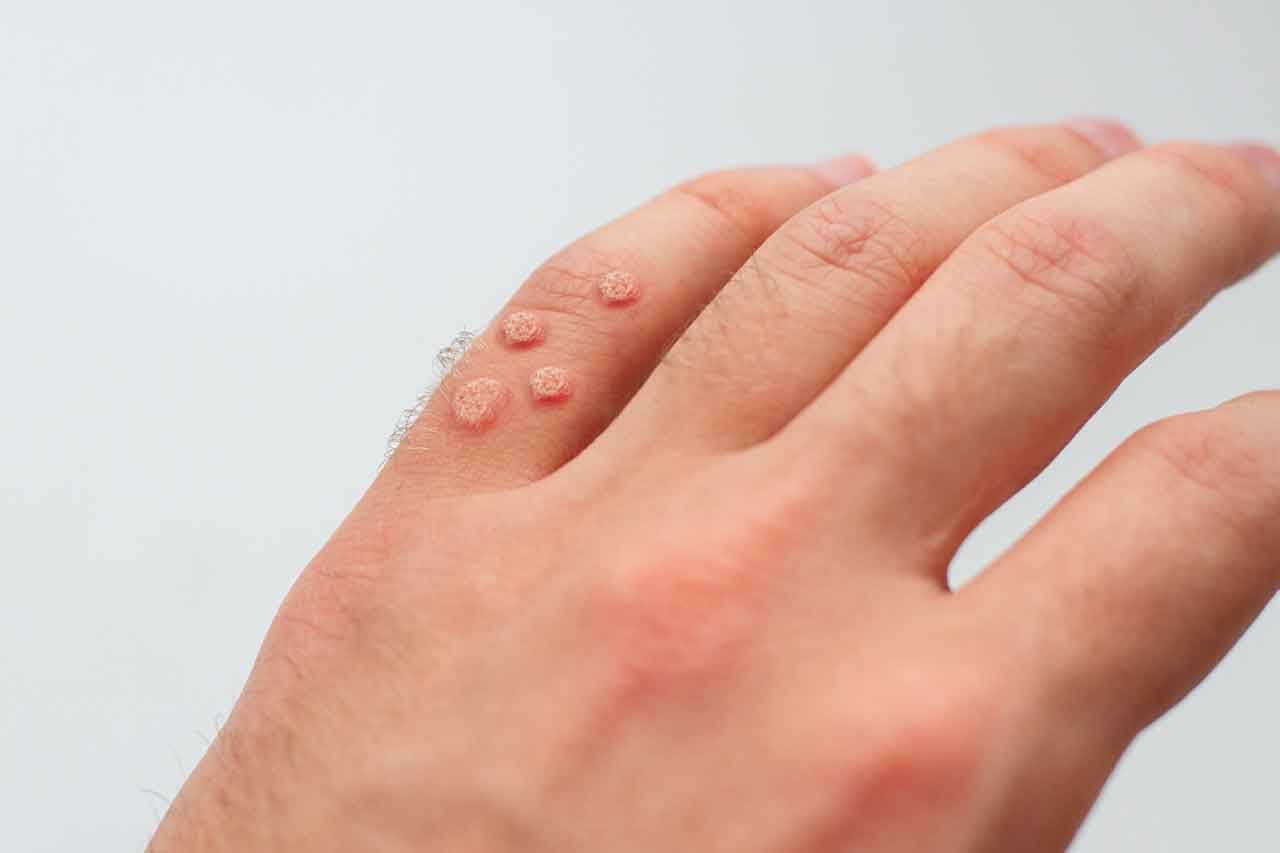
If you’re someone who seems to catch warts regularly while your friends rarely get them, you’ve probably wondered what the difference is. Why does your coworker develop warts from a simple gym visit while you frequent the same gym without any issues? The answer isn’t just bad luck. Some people genuinely are more prone to warts than others, and there are specific reasons why.
Being wart-prone means your body is particularly vulnerable to developing warts when exposed to the virus that causes them. The cause of warts involves exposure to the human papillomavirus, but exposure alone doesn’t determine who gets warts. Your immune system, your habits, your health status, and even your genetics all play important roles in whether you’ll become a wart magnet. Understanding why some people are wart-prone helps you recognize if you might be one of them and what you can do about it.
A Weaker Immune System
Your immune system is your body’s primary defense against the wart virus. People with weaker immune systems are significantly more wart-prone.
Your immune system strength isn’t fixed. It changes based on your health, stress levels, sleep quality, nutrition, and overall lifestyle. When your immune system is functioning well, it recognizes the wart virus and fights it off before warts develop. When your immune system is compromised, the virus can establish itself and create visible warts.
People with chronic illnesses experience higher wart rates. Conditions like diabetes, HIV, or autoimmune disorders weaken immune function. Even temporary immune system challenges increase wart vulnerability. If you’re recovering from a major illness, dealing with severe stress, or going through a period of poor sleep, your immune system isn’t at its best. This is when warts are more likely to develop.
People taking medications that suppress the immune system are also wart-prone. This includes certain medications for autoimmune conditions, cancer treatments, and immunosuppressive drugs used after organ transplants. These medications are medically necessary, but they do increase wart susceptibility.
Genetic Predisposition
Some people are born with a genetic predisposition to being wart-prone. If your parents frequently had warts, you’re more likely to have them too. This isn’t because you’ll necessarily catch warts from your parents, but because genetics influences how your immune system responds to the wart virus.
Your genes determine your immune system’s natural ability to recognize and fight off different virus strains. Some people’s immune systems are naturally better equipped to handle the wart virus. Others have immune systems that are less efficient at fighting this particular infection. This genetic variation explains why two people with identical exposure levels have completely different wart experiences.
Additionally, genetics can influence your skin type, moisture levels, and tendency toward minor cuts. All of these factors contribute to wart susceptibility. If you come from a family with a history of frequent warts, understanding this genetic component can help you accept that you might need to work harder at prevention.
Occupational Exposure and Work Environment
What you do for work significantly influences whether you’re wart-prone. Certain jobs involve constant exposure to the wart virus or conditions that promote wart development.
Food handlers, particularly those in meat processing and fish markets, have historically high wart rates. They work with wet hands constantly and sustain frequent minor cuts from their work. The combination of moisture, minor injuries, and virus exposure makes these jobs particularly high-risk for wart development.
Healthcare workers face similar challenges. They wash their hands frequently throughout the day, which softens the skin and makes it more vulnerable to infection. They also have high exposure to patients carrying the wart virus. Nurses, doctors, and medical staff members commonly report higher wart rates than the general population.
Construction workers and gardeners deal with rough materials and frequent cuts. Their work environments often lack the cleanliness of office settings. Outdoor workers also spend time in warm, moist conditions that promote wart virus survival.
Teachers and childcare workers have high exposure to the wart virus through contact with children who frequently carry it. The constant contact and virus exposure make these professions particularly wart-prone.
Lifestyle and Daily Habits
Your daily habits significantly determine whether you’re wart-prone. People who regularly engage in specific activities face higher wart rates.
Athletes who frequent gyms, swimming pools, and locker rooms have higher wart vulnerability. The combination of barefoot time in warm, moist environments and frequent minor skin injuries from sports makes athletes wart-prone. Swimmers especially experience high rates of plantar warts from pool environments.
People who bite their nails are wart-prone. This habit creates constant small wounds around the nail bed where the wart virus can enter. The virus easily establishes itself in these areas, and nail-biters often spread warts to multiple fingers.
People who pick at their skin create similar vulnerabilities. Any habit that damages your skin barrier increases wart susceptibility. If you’re someone who frequently scratches, picks, or otherwise damages your skin, you’re creating entry points for the wart virus.
Smokers have weaker immune systems overall, which includes reduced ability to fight the wart virus. Smoking impairs immune function, making smokers more wart-prone than non-smokers with similar exposure levels.
People with poor sleep habits are wart-prone. Your immune system repairs and strengthens itself during sleep. Chronic sleep deprivation weakens your immune response, making you vulnerable to wart development. If you regularly get insufficient sleep, you’re increasing your wart risk.
Stress and Mental Health
Chronic stress weakens your immune system. People experiencing high stress levels have higher wart rates. Stress hormones suppress immune function, making it harder for your body to fight off the wart virus.
The relationship between stress and warts creates a cycle. Stress makes you more prone to developing warts. Having warts causes more stress. Breaking this cycle requires addressing both the warts themselves and the underlying stress.
Age and Immune Development
Children are naturally wart-prone because their immune systems are still developing. They haven’t yet encountered and built immunity to many wart virus strains. As children age and move through school, they gradually build immunity to common wart virus types. By adulthood, most people have substantial immunity to numerous wart strains.
However, some adults remain wart-prone throughout their lives due to other factors. These individuals either didn’t build sufficient immunity during childhood or face other risk factors that override their adult immunity.
Older adults sometimes become wart-prone again as their immune systems naturally weaken with age. This age-related immune decline makes older individuals more vulnerable to warts, even if they weren’t particularly wart-prone during middle age.
Skin Type and Moisture
People with naturally moist or sweaty hands and feet are wart-prone. The constant moisture breaks down your skin’s protective barrier, making it easier for the wart virus to establish infection. If you have chronically damp hands or feet, you’re creating an ideal environment for warts to develop.
People with dry, cracked skin also face increased wart vulnerability. Cracks in the skin provide entry points for the virus. If you have dermatitis or other conditions that cause dry, cracked skin, you’re more prone to warts.
Medical Conditions Affecting Skin
Certain skin conditions increase wart susceptibility. Eczema, psoriasis, and other inflammatory skin conditions make your skin barrier weaker. These conditions make wart development more likely if you’re exposed to the virus.
Fungal infections can make you more wart-prone. If you have athlete’s foot or other fungal infections, your skin is already compromised. The damaged skin barrier is more vulnerable to the wart virus.
Recognizing if You’re Wart-Prone
If you frequently develop warts despite trying to prevent them, you’re likely wart-prone. If you have a family history of warts, you might be genetically predisposed. If your job or lifestyle involves high virus exposure, you should expect higher wart rates.
Understanding why you’re wart-prone is the first step toward managing the situation. It helps you set realistic expectations and develop strategies specifically suited to your circumstances.
What You Can Do
If you’re wart-prone, aggressive prevention becomes important. Protect cuts and wounds. Keep your skin dry when possible. Avoid touching your warts. Reduce stress through exercise and relaxation. Prioritize sleep and good nutrition to support your immune system.
Most importantly, remember that being wart-prone isn’t a character flaw or sign of poor hygiene. It’s simply the result of various factors working together to make you vulnerable. With the right approach and professional guidance, you can manage your wart susceptibility effectively.
If you’re struggling with persistent or recurring warts and want professional support in developing a treatment plan tailored to your wart-prone status, the Edmonton Wart Clinic offers expert expertise and solutions to help you regain control