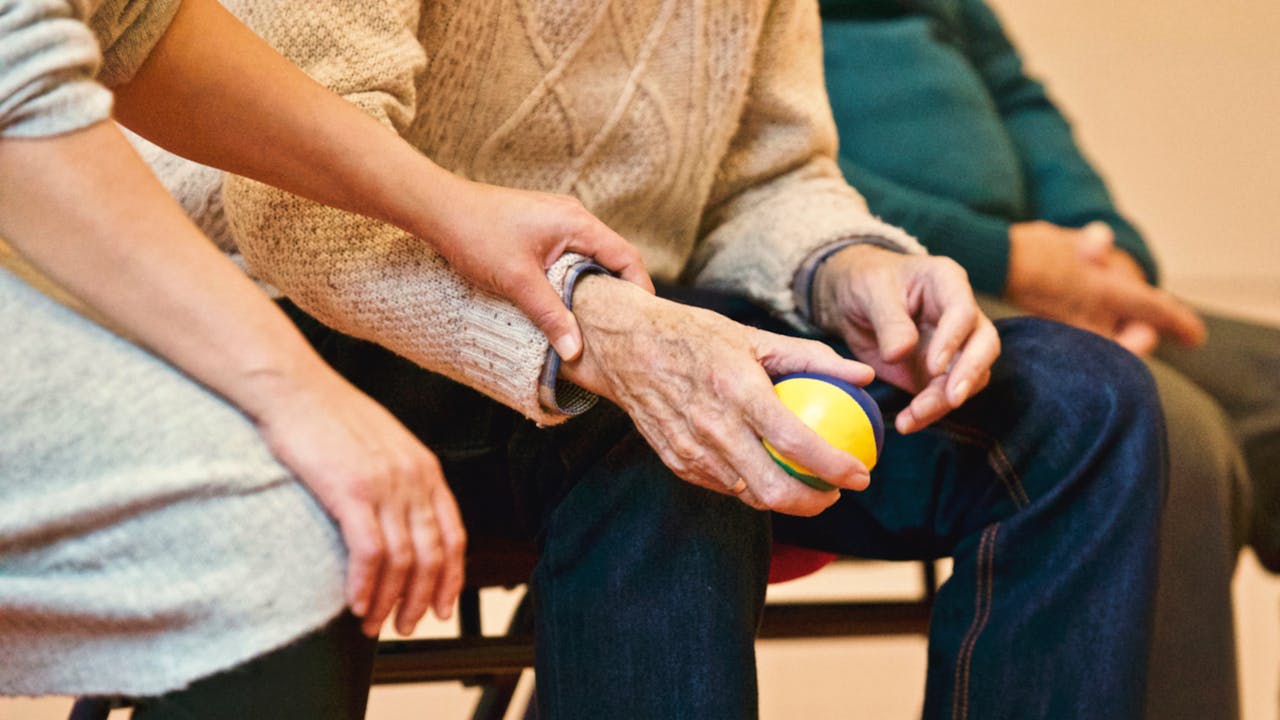
Falls remain one of the most common causes of injury among older adults and people living with mobility limits. Local safety groups and health teams often stress the value of early response because even short delays can raise the chance of complications.
Many households now look at tools that add a steady layer of protection at home or during errands. A device backed by a monitored service, such as Emergency Medical Alert, gives families more confidence because help can be reached without extra steps. This support is helpful for people who want to stay active but still need a safety net.
How Fall Detection Works in Real Situations
Fall detection systems rely on sensors that track sudden shifts in speed and body position. When these sensors detect a movement pattern linked with a fall, the device sends a signal to a trained team. The team checks on the person and contacts emergency services if needed. This process works even if the person cannot speak during the event.
These tools help in both quiet moments at home and busy settings. A slip on wet tiles or a loss of balance near a doorstep can happen within seconds. Devices that send alerts without extra steps give quicker access to aid. This protects people who have slower reaction times or conditions that make it hard to reach a phone after a fall.
Fall detection systems also help when falls occur outdoors. Winter months bring ice on sidewalks, which raises risk for many residents. A device that sends alerts from outside the home shortens response time during these moments. This reduces stress for both users and family members who support them.
Some systems include voice features, so users can speak to a care team through a device worn on the wrist or around the neck. This creates a smoother line of contact during urgent moments. The goal is not constant monitoring but timely help during events that need quick response.
Added Support for People With Health Conditions
Many falls happen due to health concerns such as muscle loss, medication effects, or balance issues. A report from the National Institute on Aging notes that falls often involve more than one factor working together. This makes early response especially important during recovery periods or after a new diagnosis.
Source:
Fall detection systems offer steady support for people who face these challenges. They help users who have weaker balance, limited grip strength, or conditions that make rising from the floor hard. They also help during busy moments, such as when someone bends to lift a dropped item or turns quickly while carrying groceries.
These devices support people starting new physical therapy routines. Recovery activities often involve slow movements and careful steps. A fall detection device gives reassurance during early sessions when confidence may still be building. It helps people stay active without fear of being alone during a setback.
Households that include caregivers often see benefits too. Caregivers cannot be near the person every minute of the day. A system that steps in during a fall gives caregivers more peace of mind and allows users more privacy and space. It also helps relatives who live far from the person because they know someone can respond without delay.
How Fall Detection Protects People Who Live Alone
A large number of older adults live alone by choice. Many want to manage their routines without constant check ins. Fall detection devices respect this independence while still adding protection during quiet hours at home.
People living alone may face longer waits for help if they cannot reach a phone after falling. A device that sends an automatic alert removes this barrier. It reduces the time spent on the floor and cuts the risk of dehydration or pressure injuries when a person cannot move.
Fall detection supports people who take daily walks or visit local shops without a companion. A slip near a curb or entrance can leave the person in a busy area without quick support. With monitored fall detection, help can be contacted even if the person cannot make a call.
Night time safety is another advantage. Many falls happen when someone wakes up to use the bathroom or reach for water in low light. A device that sends alerts during these moments reduces the chance of a long wait for help. This support lets people maintain their routines without always switching on bright lights or calling someone for support.
Pets, loose rugs, or small home hazards can also contribute to falls. People who are active and move often around the house may face more small risks throughout the day. Fall detection adds a steady line of support during these moments without restricting movement or daily habits.
What to Look For When Choosing a Fall Detection System
People shopping for these devices often compare sensor accuracy, comfort, and ease of use. A system that detects motion changes reliably is important for users with medical needs. Comfort also matters because the device sits close to the body throughout the day.
Below are helpful points to review when selecting a device:
- Check whether the device offers 24 hour support every day.
- Look for fast contact times between the device and the monitoring team.
- Compare how the device handles outdoor activity and longer walks.
- Review battery life to avoid frequent charging.
- Confirm whether fall detection activates automatically.
Users who want steady support at home or outside often pick devices with automatic alerts instead of manual buttons. These systems contact help even if the person cannot reach or press anything after falling. People who have medical conditions or limited mobility often find this feature useful.
It also helps to check how the system works with local emergency teams. Some services coordinate directly with first responders. Others alert a family member first. Users can pick the process that works best for their household. Reliable coordination reduces delays during real events and helps responders find the person faster.
For extra peace of mind, some families look at injury prevention data from trusted health agencies. The Centers for Disease Control and Prevention shares updated guidance on fall risks for older adults. This helps families understand the value of early response and steady support tools.
Steady Support for Daily Independence
Fall detection systems help people move with more confidence at home and during errands. These devices shorten the time between the fall and the arrival of help, which lowers the chance of complications.
Families often see these systems as a reliable way to support people who want to remain active. With the right device and monitoring service, users gain safety without giving up daily routines or independence.