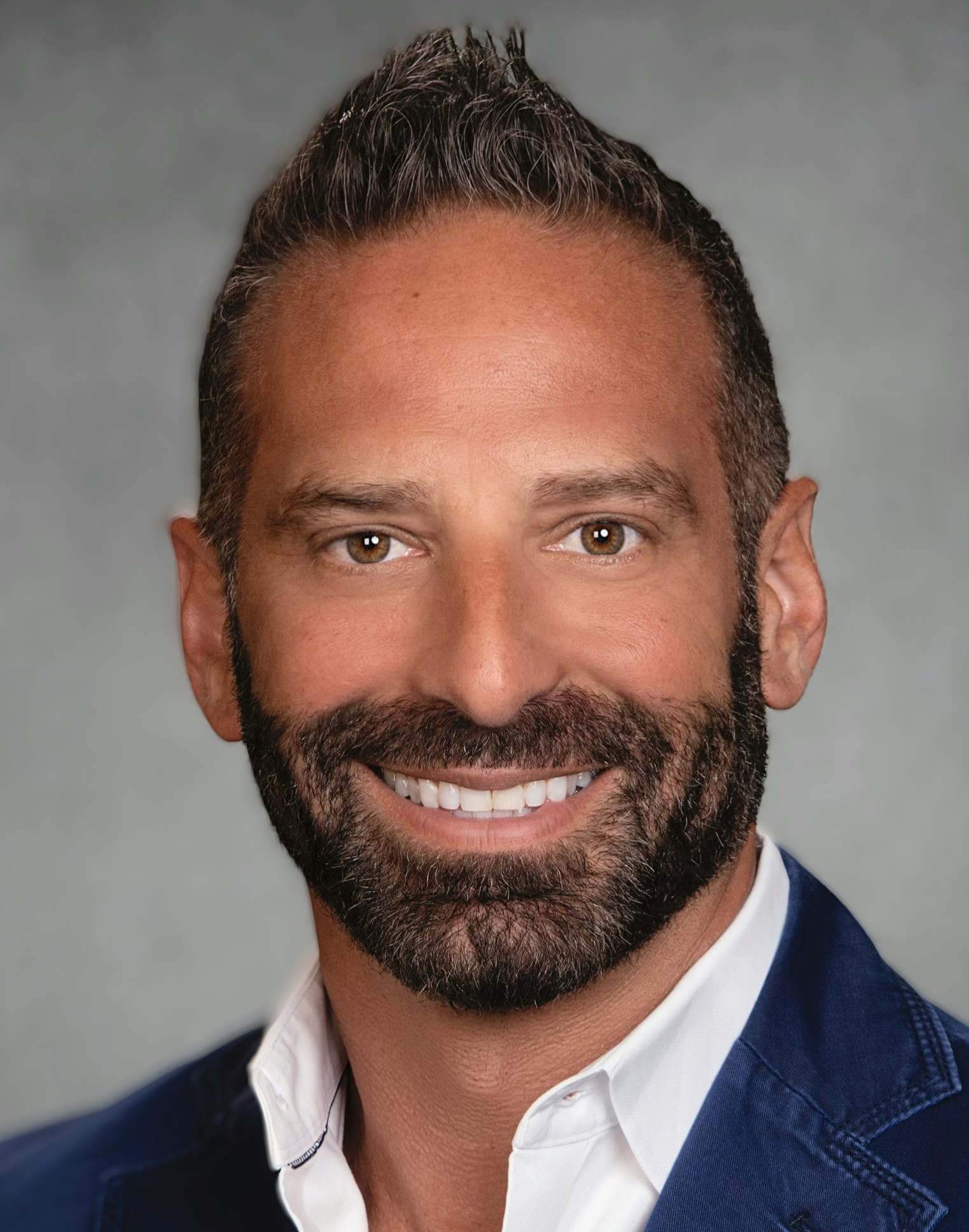
Brick, New Jersey – In an era where corporate jargon often overshadows genuine action, Brian Baldari reminds today’s business leaders that “servant leadership” is more than a motivational phrase. It’s a lifelong commitment. An accomplished, integrity-driven executive recognized for his transformational leadership and ability to build high-performing teams, Baldari has spent his career proving that the most effective leaders are those who lead by serving others first.
Across his professional journey, Brian Baldari has guided large-scale organizations and blockbuster brands toward strategic growth and operational excellence. Yet, beyond his achievements, what sets him apart is the way he defines success not by revenue alone, but by the empowerment, trust, and development of the people who make that success possible.
“Servant leadership begins where ego ends,” Baldari often notes, emphasizing that true leaders elevate others to thrive independently rather than seeking control or recognition. This perspective has informed his mentorship of over 20 professionals across three continents, shaping emerging leaders in industries as diverse as healthcare, technology, and consumer goods. For Baldari, leadership is not about managing performance—it’s about unlocking potential.
Baldari contends that the failure of modern corporate leadership stems from neglecting The Two Rules of True Influence. These rules are fundamental to effective leadership and organizational success. Rule 1 is Psychological Safety (The Insight Rule): Leaders must actively mine the organization for critical insights, particularly those held by individuals in less prominent roles. Rule 2 is Totality of Purpose: This emphasizes a holistic vision of success that encompasses an employee’s career, family, and personal wellness.
Leading Through Service
At the core of Baldari’s approach is a belief that leadership should foster both psychological safety and personal accountability. He encourages open dialogue, continuous learning, and respect for diverse perspectives as the cornerstones of an empowered workplace. The least visible person in the meeting often holds your most valuable strategic asset. “When people feel seen, valued, and supported,” he explains, “they don’t just work harder, they work with purpose.”
This philosophy has earned Baldari recognition as a transformational leader who doesn’t simply drive results, he inspires resilience. Whether he’s navigating a merger, launching a global campaign, or mentoring a new executive, his leadership style remains consistent: listen first, act decisively, and always prioritize the team’s well-being.
Baldari believes that leadership is a form of stewardship and an obligation to protect and grow both people and ideas. “My responsibility is to make sure the people I lead can someday do the same for others,” he says. That ripple effect, he believes, is the true legacy of servant leadership.
The Power of Resilience
Brian Baldari’s commitment to service extends far beyond the boardroom. As a 14-year CrossFit athlete and former Level 1 coach, he has long embodied the perseverance and mindfulness that physical wellness demands. The gym, for him, is not a place of competition but reflection—a place where perseverance is practiced daily.
This dedication to resilience has not only shaped his leadership but also his life philosophy. As a burn survivor, Baldari has faced personal adversity that tested both his endurance and perspective. Rather than allowing it to define him, he transformed that experience into a source of strength and empathy. “Resilience is a muscle you build,” he reflects. “It doesn’t just help you endure. It helps you evolve.”
His athletic achievements, including podium finishes at the Row for Hope and Asbury Park Games, mirror the same focus and grit that fuel his professional success. They also inform his message to those he mentors: that balance, perseverance, and mindset are as vital in leadership as strategy and skill.
Service Starts at Home
For Baldari, leadership begins with the relationships closest to him. Alongside his wife Priscilla, he is a devoted advocate for community service in Ocean County, where they have helped lead fundraising initiatives for St. Peter’s School. Together, they exemplify the belief that leadership and compassion are inseparable.
“Leadership isn’t something you switch on when you walk into the office,” Baldari says. “It’s who you are at home, in your community, and in the moments no one else sees.” This holistic view of leadership spanning family, work, and community has helped Baldari maintain a grounded perspective even in high-pressure corporate environments.
As a father of two daughters, he strives to model integrity, empathy, and curiosity. His weekends are often spent on the water with his family, reflecting the same balance and intentionality that guide his professional life. “If I can teach my daughters anything,” he adds, “it’s that leadership is about responsibility to yourself, to others, and to the world around you.”
Redefining Leadership for the Modern Era
The modern business landscape is increasingly defined by volatility and uncertainty. Yet Baldari argues that these very challenges make servant leadership more necessary than ever. “When people feel uncertain, leaders have a choice to tighten control or to strengthen trust,” he explains. “Servant leadership demands the latter.”
He believes that the leaders of tomorrow will be measured not by their ability to command but by their capacity to connect. In his view, servant leadership represents the evolution of corporate leadership from authority-based models to empathy-driven ecosystems. “We’re entering an age where authenticity and service will define influence,” Baldari asserts. “People don’t pursue titles; they pursue the totality of purpose, physical and mental wellness, and an optimal family life.”
His mentorship programs emphasize this principle, focusing on a person’s purpose and the totality of purpose alongside emotional intelligence, self-awareness, and values-driven decision-making as essential skills for the next generation of leaders. Through personal guidance and structured learning, Baldari helps professionals align their personal mission with their organizational role, ensuring their growth benefits both themselves and the broader community.
The Future of Leadership Is Human
As organizations adapt to technological acceleration and cultural shifts, Baldari urges leaders to remember what can’t be automated: empathy, ethics, and human connection. “Technology can enhance leadership,” he says, “but it will never replace the heart of it.”
He envisions a corporate future where leadership development prioritizes wellness, inclusion, and purpose alongside performance metrics. “A sustainable business requires sustainable people,” he emphasizes, underscoring the need for leaders to model work-life balance and prioritize mental health within their teams.
This belief is reflected in his growing advocacy for resilience and wellness education, both within corporate structures and through community initiatives. By integrating these principles into leadership training, Baldari hopes to equip future executives to lead with both confidence and compassion.
A Lifelong Commitment
To Brian Baldari, servant leadership is not a management style rather it’s a way of life. It calls for humility in success, strength in adversity, and faith in the potential of others. It requires a willingness to listen, to empower, and to take responsibility for the impact one leaves behind.
For Baldari, the title of “leader” is never a badge of status but a promise to serve with integrity and intention. “Leadership is earned every day,” he concludes. “It’s not what people call you but it’s what they rely on to deliver on their purpose..”