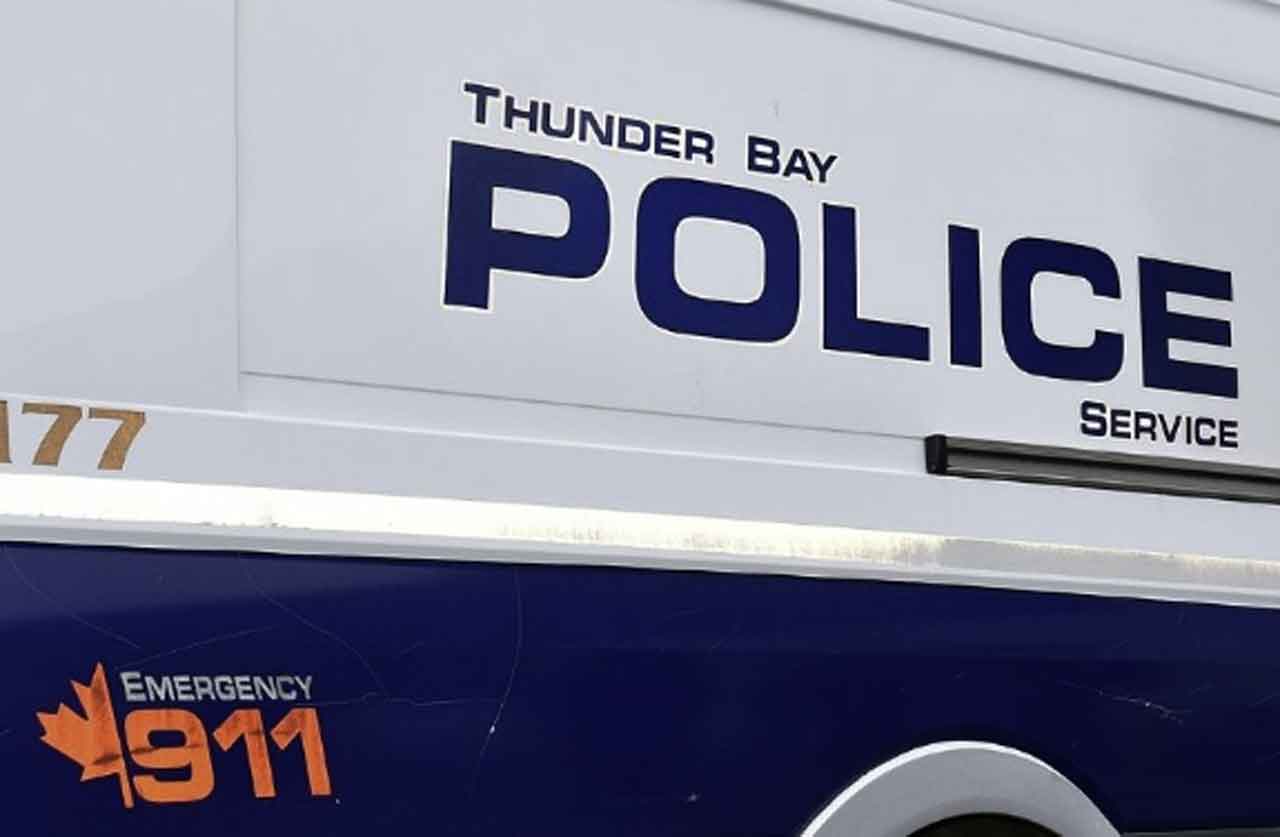
TBPS, FBI, Interpol and RCMP collaborate; we explain the charges and potential penalties under Canadian law
THUNDER BAY – CRIME & PUBLIC SAFETY (Oct. 15, 2025 | File: TB25040005) – The Thunder Bay Police Service (TBPS) has arrested a 13-year-old following an investigation into online messages about a potential school attack.
On October 6, the TBPS Hate Crime Investigator opened a file after detecting possible online communications that threatened the public in Thunder Bay and in another country. Working with the FBI, Interpol and RCMP, investigators determined a local youth was allegedly conspiring and counselling with another person (believed to be outside Canada) about a potential attack that may have been imminent.
On October 14, members of the TBPS Cyber Crime Unit, Operational Support Branch (including School Resource Officers) and the Criminal Investigations Branch executed search warrants at two local addresses.
A 13-year-old youth was arrested and has been charged with:
-
Counselling to Commit an Offence Not Committed (Criminal Code s.464)
-
Conspiracy to Commit Murder (Criminal Code s.465(1)(a))
The youth appeared in court on Oct. 14 and was remanded into custody. The identity of the young person is protectedunder the Youth Criminal Justice Act (YCJA).
What the Charges Mean & Possible Penalties (on conviction)
Counselling to Commit an Offence That Is Not Committed — Criminal Code s.464
If the offence counselled is indictable, a person found guilty under s.464(a) is liable to the same punishment as an attempt to commit that offence. Practically, that means the maximum penalty tracks the attempt for the underlying crime (e.g., attempts at very serious offences can carry high maximums). Conspiracy to Commit Murder — Criminal Code s.465(1)(a)
For adults, conspiracy to commit murder is an indictable offence with a maximum sentence of life imprisonment.
How sentencing works for youth (age 12–17)
Under the YCJA, sentencing emphasizes accountability, rehabilitation and public protection. For youths convicted of offences where an adult maximum is life imprisonment (other than murder), the usual youth maximum is up to three years (a combination of custody and community supervision). Murder itself has higher youth maximums (10 years for first-degree, 7 years for second-degree), but conspiracy to commit murder is not murder, so the general three-year cap typically applies unless an adult-sentence application is sought and granted in rare circumstances.
Important: Outcomes depend on facts proven in court, reports ordered by the judge, and YCJA considerations. The accused is presumed innocent unless and until proven guilty.
Prevention & Reporting: Helping Keep Schools Safe
Investigators note that youth can be groomed online by extremists or criminals who exploit isolation or curiosity. Families can reduce risk by:
-
Using family controls/monitoring tools on devices.
-
Talking regularly with youth about online manipulation and reporting concerning posts.
-
Reporting early: If you see threats or radicalizing content, call police. Timely action can prevent harm.
Contact TBPS (non-emergency/tips): 807-684-1200
Crime Stoppers (anonymous): 1-800-222-8477 (TIPS) | p3tips.com
Emergency: 911
TBPS says further information will be released when it is appropriate to do so.