New U.S. Section 232 measures hit Canadian softwood lumber and derivatives; FPAC says the move threatens jobs, housing affordability, and mill stability
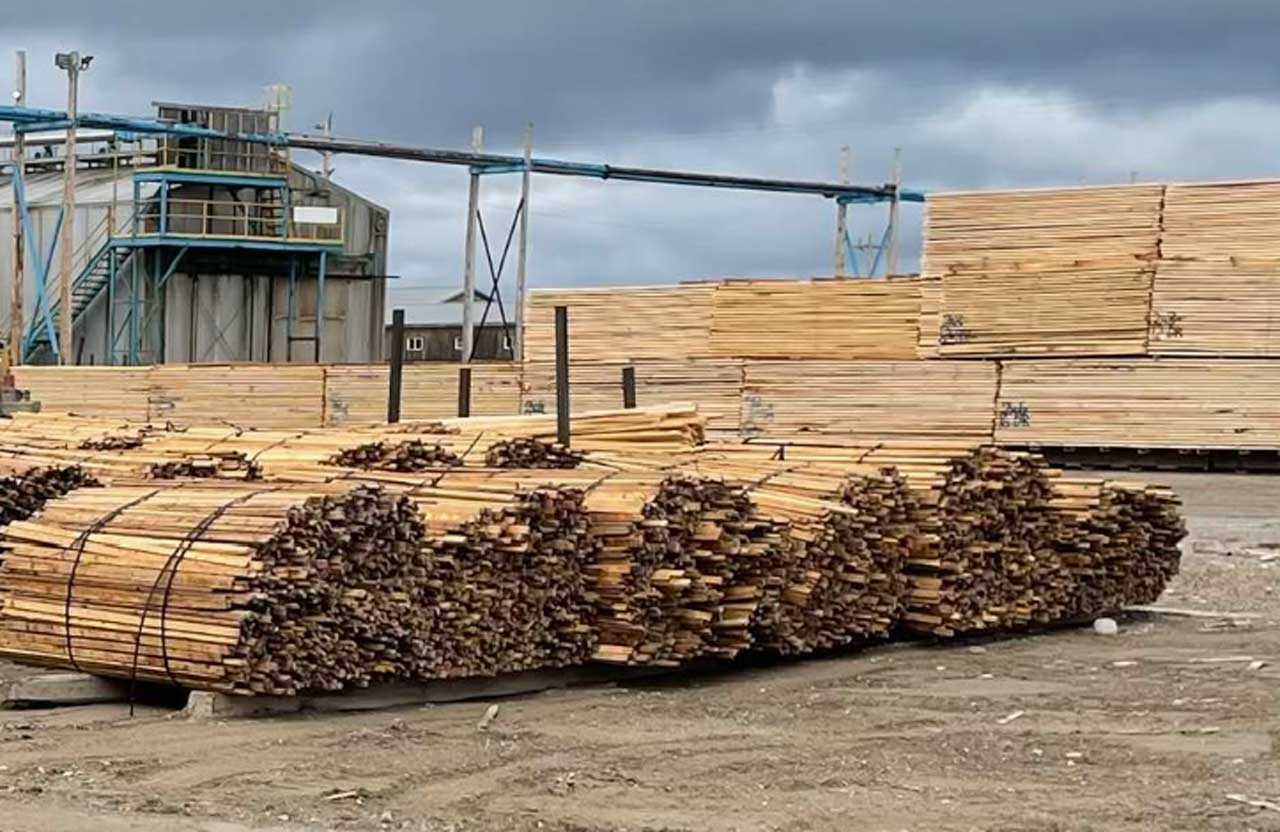
THUNDER BAY – BUSINESS NEWS – The Forest Products Association of Canada (FPAC) says new U.S. Section 232 tariffs on Canadian softwood lumber and derivative products take effect today, pushing the total duty burden to over 45%. FPAC warns the measures jeopardize 200,000 Canadian jobs and destabilize hundreds of resource communities across the country—including Northwestern Ontario, where forestry remains a cornerstone employer and economic driver.
“For eight years, forest workers and communities across Canada have borne the brunt of increasing duties—now exceeding 45 percent with the addition of these new tariffs,” said Derek Nighbor, FPAC President and CEO. “These are punitive, protectionist measures with no basis in fact. Enough is enough.”
What the Tariffs Mean for Northwestern Ontario
-
Mills & shifts: Higher duties compress margins, raising the risk of curtailments or shift reductions at operations supplying U.S. markets.
-
Contracting & trucking: Loggers, haulers, maintenance contractors, and fabrication shops in the Thunder Bay area could see project delays and thinner order books.
-
Housing costs (U.S. & Canada): Tariffs typically raise lumber prices, adding costs for U.S. builders and potentially affecting cross-border demand felt by mills in NWO.
-
Supply chain through Thunder Bay: Reduced or more volatile U.S. demand can ripple through regional rail and port logistics, impacting volumes that move through the city.
FPAC’s Position
FPAC says targeting responsibly managed, sustainably sourced Canadian wood under a national security pretext is unjustified and damages one of North America’s most integrated supply chains. The association is urging Ottawa to respond with the same urgency seen in steel, aluminum, and energy disputes, and is calling on both governments to return to the table for a durable, rules-based softwood agreement.
“Every day this dispute drags on deepens uncertainty for workers, families, and the communities they support on both sides of the border,” Nighbor added.
What Industry and Local Leaders Can Do Now
-
Stabilize operations: Model scenarios at +45% duty and stress-test cash flow; communicate early with crews and contractors.
-
Market diversification: Explore non-U.S. customers and value-added product lines to reduce tariff exposure.
-
Policy outreach: Coordinate with FPAC, chambers of commerce, and municipalities to press for federal relief tools (financial backstops, workforce supports) and active diplomacy.
-
Workforce supports: Prepare contingency plans for workers (redeployment, training) should curtailments arise.
About FPAC
FPAC represents Canada’s wood, pulp, and paper producers in government, trade, and environmental affairs. The sector generates $87B in annual economic activity, employs ~200,000 Canadians, and operates in hundreds of communities nationwide. Members partner with Indigenous leadership, governments, and stakeholders to advance forest health and long-term community and environmental outcomes.