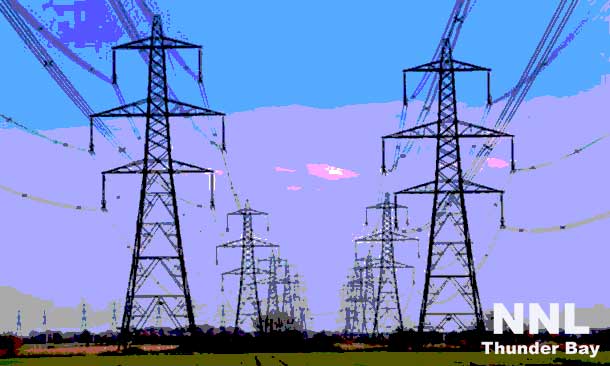
Have you ever experienced a sudden power outage that disrupted your entire day? For homes, businesses, and industries, reliable access to electricity is no longer just a convenience—it’s a necessity. Yet behind the lights, machines, and devices you rely on every day is a critical system often overlooked: main power distribution.
Main power distribution is the backbone of energy management systems, ensuring electricity is delivered safely, efficiently, and reliably. In today’s world of rising energy demand, renewable integration, and smart technologies, understanding its role has never been more important.
Why Main Power Distribution Matters
Main power distribution isn’t just about directing electricity from one point to another—it is the central hub that determines how efficiently and safely energy flows through your entire system.
Whether in a home, office, or industrial facility, it ensures that the right amount of power reaches the right equipment at the right time. When this process is poorly managed, the consequences can be significant:
- Unstable electricity flow that causes frequent interruptions and damages sensitive equipment.
- Higher energy losses not only waste valuable resources but also drive up monthly utility bills.
- Increased safety risks, including overloads, short circuits, and potential fire hazards.
By providing consistent and reliable power delivery, the main power distribution creates the foundation of modern energy management.
Key Components of Main Power Distribution
Main power distribution systems are made up of several critical elements working together to keep electricity flowing:
- Switchgear – Manages, controls, and isolates electrical equipment to protect both the system and the people working on it.
- Transformers – Adjust voltage levels up or down so that electricity can be transmitted efficiently and used by different types of equipment.
- Circuit Breakers – Provide essential protection against overloads and short circuits, preventing damage to devices and reducing fire risks.
- Busbars and Panels – Act as distribution pathways that channel electricity into specific circuits and load centers.
Together, these components form the backbone of the main power distribution, creating the infrastructure that allows electricity to move reliably from the source to the end user. By coordinating seamlessly, they ensure that every device connected to the system receives the power it needs without compromising safety or efficiency.
Reliability and Safety: The First Priority
One of the main pain points users face is unexpected power failures that can damage sensitive equipment. Main power distribution addresses this through built-in protection systems.
- Overload protection prevents equipment from overheating.
- Short-circuit safeguards reduce fire hazards.
- Compliance with safety standards ensures the system operates within approved regulations.
When designed correctly, main power distribution ensures uptime and reliability—critical for hospitals, data centers, and industrial plants where power failures can cost millions.
Efficiency and Energy Optimization
Another major challenge is rising energy costs. Poorly managed distribution networks lose significant amounts of electricity before it even reaches end users.
A well-structured main power distribution system allows you to:
- Reduce transmission and distribution losses.
- Balance loads across multiple facilities.
- Support peak demand management, avoiding expensive surcharges.
Example: Load Balancing
Imagine a factory where some equipment runs at full capacity while others sit idle. Smart load balancing ensures electricity flows where it’s needed most, cutting waste and saving money.
The result is a leaner, more efficient system that lowers your overall energy expenses.
Smart Integration for the Modern Era
With the rise of IoT and automation, the main power distribution has evolved beyond basic wiring and breakers. Today, systems include:
- Real-time monitoring via smart meters.
- Predictive maintenance using IoT sensors to prevent failures before they occur.
- Automated fault detection for faster response times.
This digital transformation allows you to not only manage power but also gain insights into consumption patterns. With this data, you can make informed energy-saving decisions, reducing both costs and environmental impact.
Sustainability Through Smarter Distribution
A growing number of facilities are integrating renewable energy sources like solar and wind. The main power distribution plays a key role by:
- Managing power flow between renewable and grid sources.
- Reducing carbon footprints through efficient transmission.
- Supporting microgrids for localized, clean energy use.
By making renewable integration seamless, the main power distribution helps businesses and communities transition toward a more sustainable energy future.
Real-World Applications Across Industries
Main power distribution systems are used worldwide in:
- Residential buildings – Ensuring safe, efficient energy for daily living.
- Commercial spaces – Supporting offices, malls, and service centers.
- Industrial plants – Powering heavy machinery without interruptions.
- Critical infrastructure – Hospitals and data centers where uptime is non-negotiable.
Each application requires tailored solutions, but the principle remains the same: safe, efficient, and reliable power flow.
Challenges and Considerations
While the benefits are clear, the main power distribution also comes with challenges:
- Upfront investment costs – Installing or upgrading a distribution system can be expensive, though long-term savings often outweigh initial spending.
- Scalability – As energy demands grow, systems must be adaptable to handle increased loads.
- Cybersecurity concerns – With digital integration, protecting systems from cyber threats is just as important as physical safety.
Understanding these considerations helps ensure your system is both resilient and future-proof.
Future Trends in Main Power Distribution
As energy demands grow, the main power distribution is expected to evolve even further with:
- Digital substations that allow for advanced monitoring and analytics.
- AI-driven optimization to predict demand and reduce waste.
- Microgrid expansion, giving communities more energy independence.
To support these advancements, CHINT’s Main Power Distribution products deliver efficient, safe, and reliable power across industrial, commercial, and residential applications. With modular designs, advanced protection, and IoT-enabled smart monitoring, CHINT provides scalable solutions that align with the future of energy management.
Conclusion
Main power distribution is more than just wires and switches—it’s the foundation of reliable, efficient, and sustainable energy systems. From protecting your equipment to enabling renewable integration, its importance cannot be overstated.
By understanding and investing in smarter, safer, and scalable distribution systems, you’re not only ensuring stability today but also paving the way for a sustainable energy future.
Now is the time to rethink how power flows through your world—because when your distribution is strong, your energy future is even stronger.