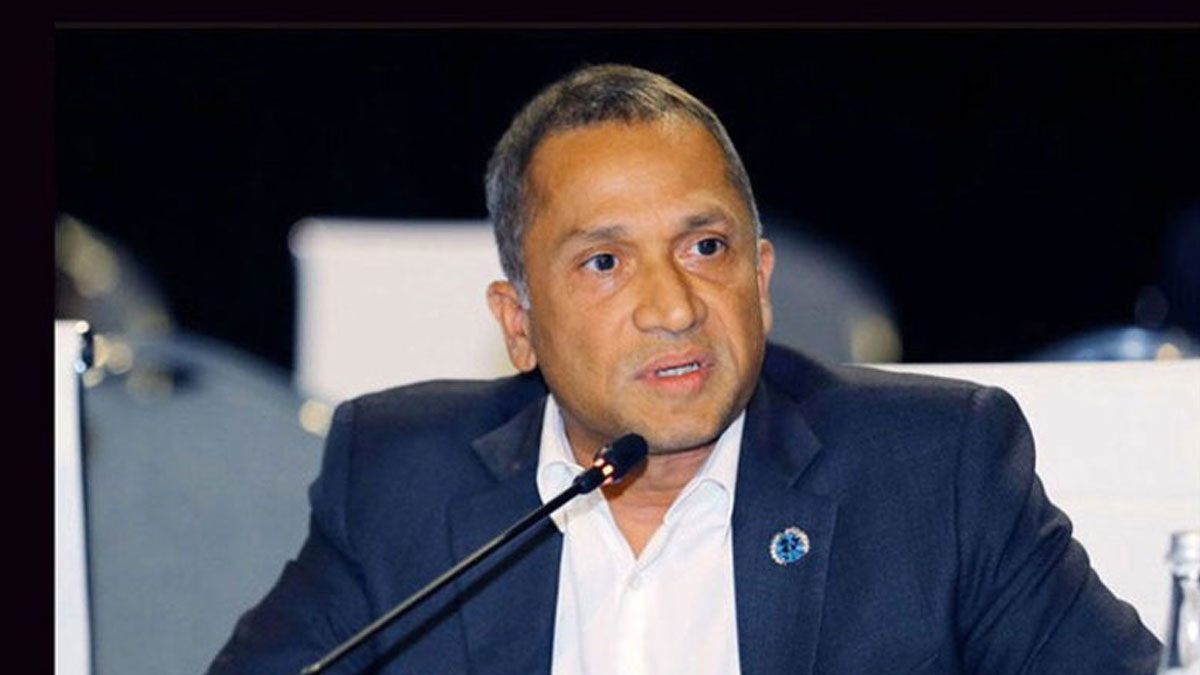
NEW YORK / GENEVA — The UN Dispute Tribunal on July 16, 2025, overturned allegations of misconduct against Sri Lankan diplomat Sanaka Samarasinha, ruling that the internal investigation had violated due process. The tribunal ordered his full reinstatement with retroactive pay.
In parallel, a Warsaw court on April 2, 2025, ruled in a defamation case brought by Samarasinha, suspending the publication of two articles deemed inflammatory and lacking factual support.
Background
Samarasinha, a veteran of nearly 30 years in the United Nations, has held senior roles in over 10 countries before serving as the UN’s top official as the Secretary General’s representative in Belarus and the Pacific. Throughout his career, he was known for outspoken stances on human rights and sometimes clashed with entrenched interests.
In 2023, Radio New Zealand (RNZ) reported that he had been placed on administrative leave over misconduct allegations during his Pacific posting. Around the same time, Euroradio (Belarus) published allegations tied to his assignment in Minsk. Samarasinha later argued the media reports were manipulated by complainants to influence internal investigations.
Geneva Ruling: Due Process Violated
The UN Dispute Tribunal found that investigators failed to substantiate claims of misconduct and overlooked critical testimony. Despite presenting 96 witnesses to support his version of events, none were interviewed by the investigators. The tribunal described the inquiry as rushed and procedurally flawed.
As a result, it rescinded the leave order, reinstated Samarasinha fully, and mandated payment of back pay and associated entitlements. While this ruling addresses one administrative measure, legal analysts say its reasoning may influence future UN internal justice cases.
Warsaw Decision: Curtailing Defamation
In its April ruling, the Warsaw District Court issued a one-year injunction suspending circulation of two articles published by Euroradio. The judge found their headlines sensational and unsubstantiated. The court reasoned that the content lacked clear allegations, caused significant reputational harm, and bore no relation to Samarasinha’s UN duties — thus diminishing any public interest defense.
The court struck a balance: it restricted further publication of the specific articles but declined to impose broader bans on media coverage. Under Polish law, defamation may be criminally pursued, but Samarasinha opted for civil remedy in this case.
Colombo Cases Pending
Samarasinha has also filed two civil defamation suits in Sri Lanka. The Colombo District Court is expected to hear them soon. Those rulings could further shape his reputation domestically.
Expert Views
“These decisions offer Sanaka a pathway to rebuild trust, both at home and internationally,” said a veteran Sri Lankan diplomat.
“It is rare to see such alignment between an internal UN tribunal and a national court,” said a UN legal scholar. “This may set a precedent for accountability in international organizations.”
Caveats & Next Steps
Even with these wins, challenges remain. The Geneva judgment may be appealed within the UN’s internal justice system, potentially extending litigation into 2026. The Colombo defamation cases and public perception still await resolution.
Following the twin judgments, Kiryl Rudy, former Belarus ambassador to China and a one-time colleague of Samarasinha, posted on LinkedIn: “Guilty Until Proven Innocent. He states unequivocally ‘I had no doubts about him’”. He also remarked on how difficult reputation restoration is in an era dominated by search engines.
Despite two years of controversy, the Geneva and Warsaw rulings offer more than legal redress — they establish institutional guardrails for how damaging personal allegations may be investigated and reported in the future.
LinkedIn post by Kiryl Rudy:
https://www.linkedin.com/posts/dr-kiryl-rudy-9676181b0_guilty-until-proven-innocent-my-old-friend-activity-7353875767035871232-NM1Y?utm_source=share&utm_medium=member_desktop&rcm=ACoAAF56CVoBn5nkA-jBNmyfWD1iEcdxhn3OOSw