NESKANTAGA FIRST NATION / THUNDER BAY – INDIGENOUS – Ontario Ombudsman Paul Dubé says the realities of life in Neskantaga First Nation “hit hard” the moment he landed at the community’s dilapidated airport.
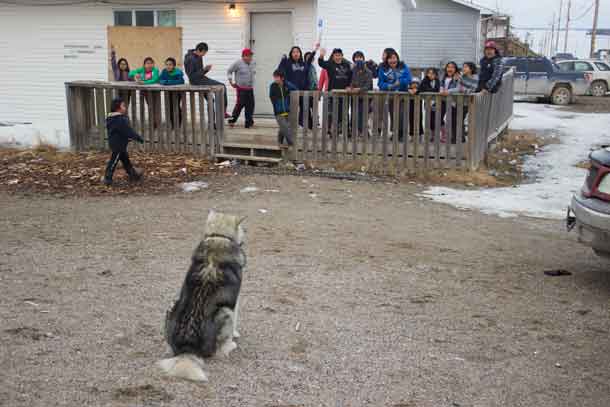
Children met him holding handmade signs calling for clean drinking water, a medical centre, an ambulance, and a new school—a stark illustration of what residents describe as daily, systemic shortfalls.
Editorial Note
Having been in Neskantaga several times, the water issue is the one issue that has continued and seems never ending. There are youth in the community who have never been able to drink water from a tap. Showering and bathing has been a serious concern as well. The cost of this issue weighs very heavily on the entire community.
Years ago, the community invited media and the then Minister of Indigenous Affairs Carolyn Bennett, AFN National Chief Perry Bellegarde, and NAN Grand Chief Alvin Fiddler to the community. The issues were the same.
Change comes slowly, and at a very heavy price for the community. Youth growing up without trusting the water system take that forward in life. Elders health is impacted, and the entire community often struggles with the mental and physical health issues.

Invited by Chief Gary Quisses, Ombudsman Dubé spent two days meeting families and frontline workers. What he saw, he said, was Canada’s longest-running boil-water advisory—30 years—compounded by mould-affected homes, a water treatment plant not fit for purpose, a new police station that can’t open due to lack of telecommunications, and a temporary nursing station that can’t meet community needs.
The only school is small and aging and ends at Grade 8, forcing teens to leave for Sioux Lookout or Thunder Bay to complete high school—an upheaval that weighs heavily on families.
“I’m very unsettled by this visit,” Dubé said. “It’s shocking that in Canada in 2025, people are living under those conditions. It broke my heart.”
Dubé emphasized that the Ombudsman’s Office—an independent watchdog of the Legislature—will look for ways to contribute its services, and he called on both provincial and federal governments to take immediate action to address “unacceptable and unsafe conditions.”
Health, Water, and Safety: Urgent Gaps
Community members described rationed bottled water (roughly 1.0–1.5 litres per person per day) with no proper disposal options for empties; mental health and addiction crises that continue to claim young lives; and significant special education needs.
Local educators told Dubé that up to half of students may be on the autism spectrum, but appropriate resources are lacking.
A bright spot, Dubé said, is the resilience of Neskantaga: “People come together and support each other. But the frustration is real—and understandable.”
Government Responses
Ontario’s Ministry of Indigenous Affairs said the province is working alongside Neskantaga and Canada to support drinking water solutions and community safety and well-being, while urging the federal government to meet its constitutional responsibility for safe water on reserves and sustained O&M funding.
Indigenous Services Canada (ISC) said Minister Mandy Gull-Masty will meet with Neskantaga leadership “in the coming weeks” and noted over $155 million in federal support since 2020 for infrastructure and health/well-being programming. ISC said long-standing challenges require community-led, collaborative approaches tailored to the First Nation’s self-determined goals.
“Where Is the Accountability?”
Chief Gary Quisses said the community has endured leadership changes in Queen’s Park and Ottawa without lasting solutions.
“Where is the accountability from both governments? We’re overlooked and living in Third World conditions.”
Despite Neskantaga’s location within mineral-rich territory, Quisses said resource development is fast-tracked, while core community infrastructure—water, health, education, telecommunications—lags far behind.
The Ombudsman’s Office is developing its first Indigenous Services Plan to promote culturally responsive services and increase awareness of the challenges faced by First Nations. Quisses says the community will continue to speak out.