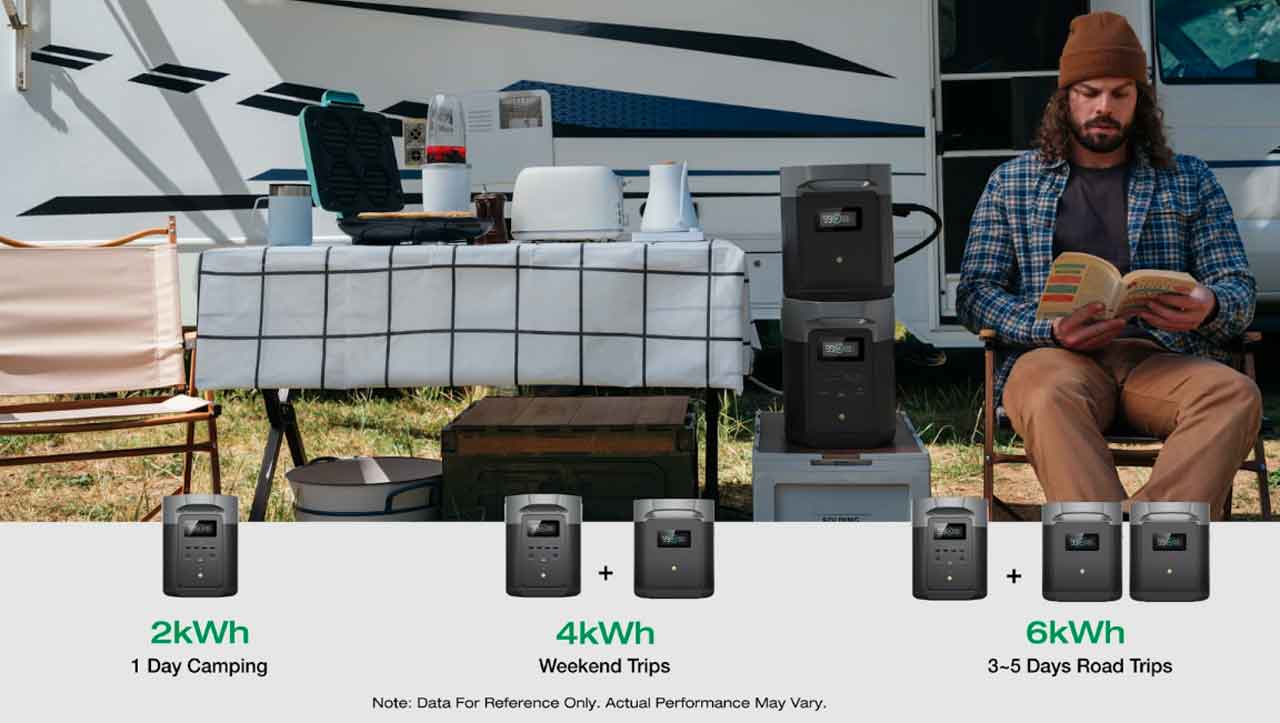
Recreational vehicles (RVs) have long symbolized freedom—the ability to travel wherever the road leads while carrying the comforts of home. Yet freedom depends on power. From running lights and refrigerators to charging phones and laptops, electricity is a non-negotiable part of the RV lifestyle. The solar generator has become an increasingly popular choice for travelers seeking a quiet, clean, and reliable source of energy. But is it really a good fit for RV living?
This article explores the pros, cons, and practical tips for using solar generators on the road.
What Exactly Is a Solar Generator?
A solar generator is a system that typically includes:
- Solar panels to capture sunlight.
- A portable power station (battery + inverter) to store and convert energy.
- Charge controllers and ports to safely deliver electricity to your devices.
Unlike gas or diesel generators, solar models don’t burn fuel. Instead, they rely on renewable energy, making them eco-friendly and quieter to operate.
Why RV Owners Consider Solar Generators
1. Quiet and Clean Power
Traditional gas generators produce noise and fumes—unpleasant for both you and your neighbors at campgrounds. Solar alternatives operate silently and without exhaust, letting you enjoy nature without disruption.
2. Off-Grid Independence
Many RV enthusiasts value the ability to camp away from crowded RV parks. With solar charging, you’re less dependent on hookups or gas stations.
3. Lower Running Costs
After the initial investment, sunlight is free. You avoid the recurring expense of fuel and reduce maintenance costs compared to combustion engines.
4. Flexibility
Solar generators can power a wide range of devices, from smartphones to CPAP machines, microwaves, or small air conditioners—depending on capacity.
How Much Power Do You Really Need in an RV?
Every RV lifestyle is different. Some campers only need enough energy to run LED lights and charge phones. Others expect to power refrigerators, laptops, TVs, and even air conditioning.
- Light users: 300–500Wh per day may be enough for phones, fans, and lights.
- Moderate users: 1–2kWh per day can support small appliances and electronics.
- Heavy users: 3kWh+ per day is needed if you want to run fridges, microwaves, or AC units.
Knowing your daily consumption helps determine whether a single solar generator is sufficient or if you’ll need a larger, expandable system.
Pros of Solar Generators for RV Living
Eco-Friendly Travel
RVs already consume fuel on the road. Using a clean energy source offsets some of that impact, making travel more sustainable.
Safe for Indoor Use
Since solar systems don’t produce carbon monoxide, they can safely be used inside the RV—something gas generators can’t offer.
Easy Setup
Most solar generators are plug-and-play. Simply connect foldable panels and start charging. No need for complex installation or constant refueling.
Portability
You can carry the unit outside, set it up in the sun, or store it when not in use. This flexibility is great for travelers with limited space.
Compatibility with Modern Appliances
Many solar generators include multiple AC outlets, USB-C ports, and even 12V outputs for RV accessories.
Cons and Limitations
Weather Dependence
On cloudy days or in heavily shaded areas, solar charging slows down. Without alternative charging methods (wall outlet or vehicle input), you might run short.
Limited Runtime for Heavy Loads
Running air conditioners or microwaves for long periods can drain even high-capacity batteries quickly.
Higher Upfront Cost
Compared to a basic gas generator, solar systems are more expensive initially. Over time, the lack of fuel costs helps balance this.
Weight and Storage
Large units can be heavy, taking up valuable RV storage space. Smaller models are easier to manage but may not cover all your needs.
Practical Tips for RV Owners
Assess Your Energy Needs
List your appliances, check their wattage, and estimate daily use. This ensures you choose a generator with enough capacity.
Use Efficient Appliances
LED lights, inverter fridges, and energy-saving laptops stretch your solar generator’s runtime.
Combine Charging Methods
Most models let you recharge via solar, RV outlets, or external power. Using multiple options keeps you prepared.
Position Panels Wisely
Angle them toward the sun and avoid shade from trees or awnings for maximum output.
Consider Expandable Systems
Modular batteries allow you to start small and scale up as your needs grow.
Keep a Backup Plan
For extended cloudy weather, a small fuel generator or access to shore power provides insurance.
Realistic Scenarios
Weekend Getaways
A mid-sized solar generator (1–2kWh) is perfect for short trips, running lights, fans, and basic electronics.
Full-Time RV Living
Long-term travelers may want a larger, expandable system (5kWh+) to reliably power fridges, cooking appliances, and work devices.
Boondocking and Off-Grid Campsites
Solar generators excel here, providing independence without noise or fumes. Pair with foldable solar panels for flexibility.
Future of RV Energy
The trend in RV travel is shifting toward greener, quieter, and more self-sufficient solutions. As solar panels become lighter and batteries more powerful, solar generators will likely become the standard for off-grid travelers. Integration with rooftop panels and smart monitoring systems is also making these setups more user-friendly.
Conclusion
So, are solar generators good for RV living? The answer is yes—if you understand their strengths and limitations. They’re quiet, eco-friendly, and perfect for light to moderate energy needs. For heavier demands, you’ll need a larger system or backup plan.
By matching the right generator to your lifestyle, you can enjoy the freedom of the open road with reliable power at your fingertips—all without the noise and fumes of traditional generators.