Helping Save the Lives of Loved Ones
THUNDER BAY – HEALTH – Addiction sadly has become all to common, not just in Thunder Bay and across Northwestern Ontario, but across the country. Even in smaller communities and remote First Nations, the reach of life destroying drugs is all too common.
Learning to recognize the symptoms of drug addiction can help friends and family members save the life of a loved one.
What to Watch For?
In some of the more common illegal street drugs, learning what they do to an addict is a step you can take to attempt to stem the damage they do.
Sudden sweating, frantic ranting, rapid or nonsensical speech, and intense paranoia are hallmark signs of stimulant intoxication, most commonly linked to crystal meth (methamphetamine).
Other drugs—cocaine/crack, synthetic cannabinoids (“K2/Spice”), and PCP—can also trigger paranoia, delusions, and hallucinations that make people believe things are happening that aren’t real. This article explains what to watch for, how meth is used (at a high level), the health risks, and where to find help locally.
This information is for public education and safety—not instructions for use.
Drugs Most Associated with Paranoia & “Seeing/Believing Things”
-
Crystal meth (methamphetamine): Strong link to paranoia, hallucinations, pressured speech, agitation, overheating, dilated pupils, jaw clenching/teeth grinding, skin picking, and long periods without sleep. Repeated use can lead to meth-induced psychosis.
-
Cocaine / Crack: Intense but shorter episodes of anxiety, agitation, sweating, chest pain, and paranoid thoughts, especially with heavy or repeated use.
-
Synthetic cannabinoids (“K2/Spice”): Can cause severe anxiety, confusion, paranoia, hallucinations, vomiting, and abrupt behaviour changes—even in people who tolerate cannabis.
-
PCP (phencyclidine) and related dissociatives: May cause disorientation, paranoia, unusual pain tolerance, agitation, and jerky eye movements (nystagmus); behaviour can be unpredictable.
Street drugs are frequently mixed or contaminated (including with fentanyl). A stimulant user can still suffer an opioid overdose if fentanyl is present.
Fast Recognition Guide for Families & Friends
Body signs: heavy sweating/overheating, tremors, dilated pupils, chest pain, pounding/irregular heartbeat, headache, nausea.
Mind/behaviour: intense paranoia, ranting, rapid or nonsensical speech, pacing, not sleeping, skin picking, hearing/seeing things, sudden belief others are “out to get them,” unusual strength or pain tolerance.
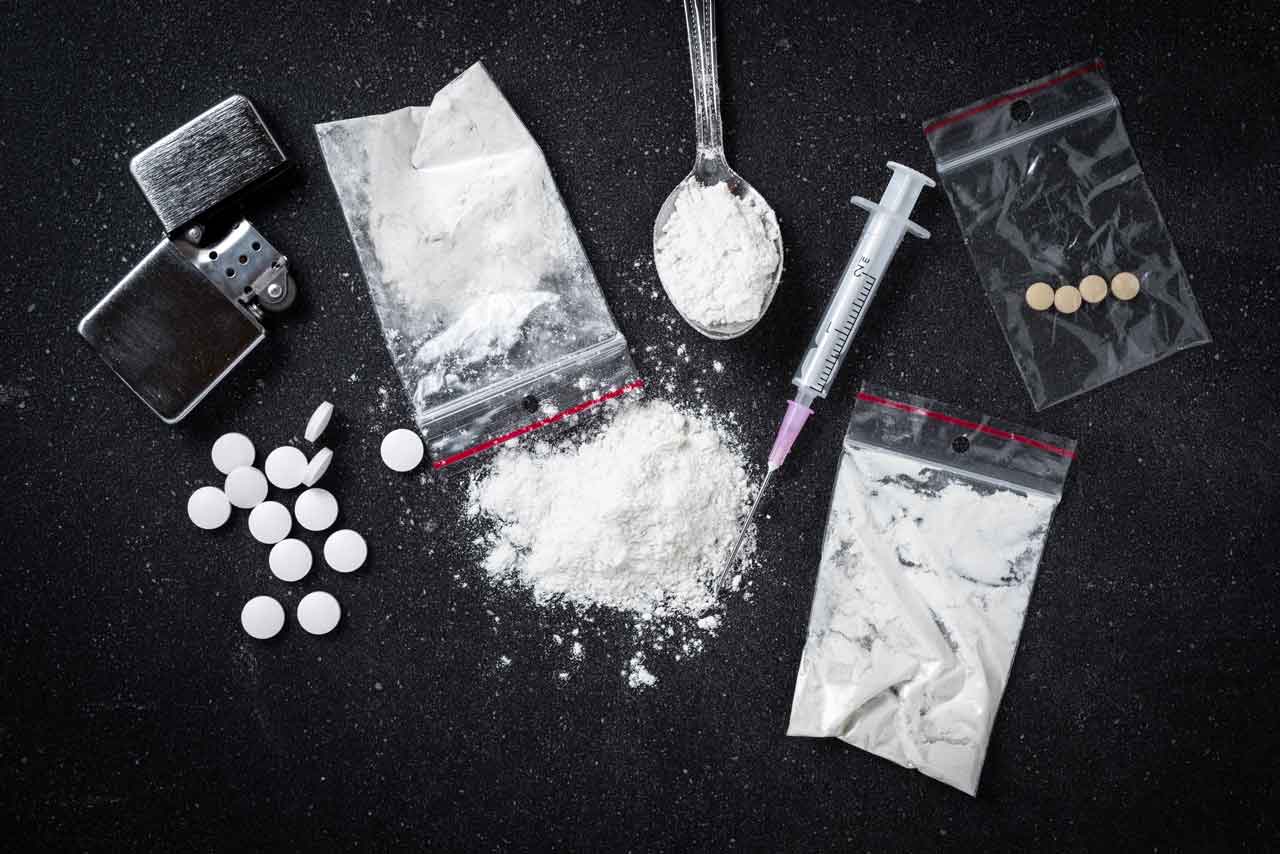
Environmental cues: pipes/foils/torches, small baggies, crystals/powders, strong chemical odours.
How Crystal Meth Is Taken (and the Risks)
People commonly use meth by smoking, snorting, swallowing, or injecting—each with serious harms:
-
Smoking: Very fast, intense “rush.” Risks: overheating, heart rhythm problems, chest pain, burns, and binge–crash cycles that worsen paranoia/psychosis.
-
Snorting: Slower onset than smoking; risks nasal tissue damage, infections, anxiety, high blood pressure/heart rate.
-
Swallowing (oral): Slower start, longer duration; risk of taking more while waiting to feel effects → overdose, insomnia, agitation.
-
Injecting: Fastest, highest medical risk: overdose, severe agitation, skin/soft tissue infections, blood-borne disease, and vein damage.
(We are not providing instructions; if use is occurring, seek medical and harm-reduction help.)
What To Do Right Now (Safety First)
-
Call 911 for chest pain, seizures, extreme agitation, severe confusion, violent behaviour, loss of consciousness, or if anyone feels unsafe. Tell dispatch you suspect drug intoxication.
-
Lower stimulation: dim lights, reduce noise/crowds; speak slowly and calmly. Don’t argue about delusions—say, “I can see you’re scared; you’re safe here.”
-
Give space & remove hazards: avoid restraining unless absolutely necessary for immediate safety.
-
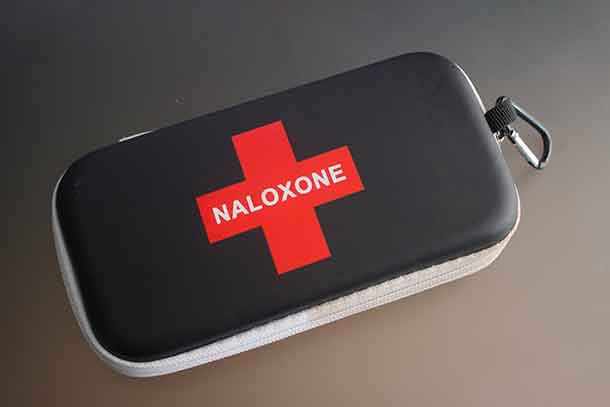
If unresponsive or not breathing: call 911. If you have naloxone, use it; begin rescue breathing/CPR if trained.
-
Don’t mix more substances (alcohol, benzos, other drugs) to “calm them”—this can be dangerous.
After the Crisis: Support in Thunder Bay & Across Ontario
-
ConnexOntario (24/7): 1-866-531-2600 – mental health & addiction service navigation (call/text/chat).
-
RAAM (Rapid Access Addiction Medicine) clinics: Same/next-day help for substance use—ask your provider for Thunder Bay hours.
-
211 Ontario: Call 2-1-1 for local health and social supports.
-
Naloxone: Free kits at many Ontario pharmacies; consider carrying one.
Paranoia and psychosis from stimulants often ease with sleep, hydration, and time, but repeated use can make episodes more frequent or prolonged. Recovery is possible—professional help improves safety and outcomes.