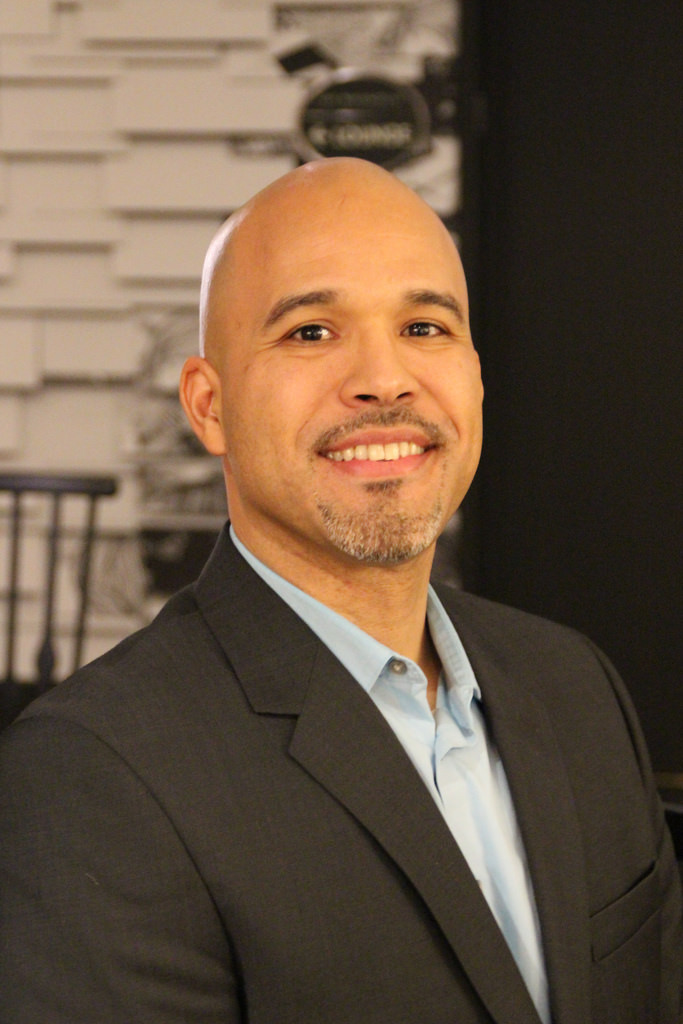
Systems change strategist Art Serna is again at the center of an important conversation on how organizations can reimagine how they attract, grow, and retain talent. In its latest digital newsletter, Titus Talent Strategies spotlighted a repurposed podcast episode featuring Serna, linking to his insights on leadership and innovation. The recognition highlights his influence in executive circles and the urgency of rethinking how businesses and mission-driven organizations approach workforce development in a rapidly shifting landscape.
For Serna, who has spent more than two decades designing transformative solutions at the intersection of social good, economic mobility, and enterprise growth, the Titus feature represents more than a nod to past conversations. It is a reminder that talent strategy must now be treated as a core lever of organizational resilience, not an auxiliary function left to HR or recruiting.
“Talent strategy is leadership strategy,” Serna said in response to the newsletter mention. “In a time marked by complexity and disruption, every executive is responsible for thinking deeply about cultivating human potential inside their organization. This isn’t just about filling roles; it’s about building ecosystems where people thrive, innovate, and drive measurable outcomes.”
From Pipeline to Ecosystem Thinking
Serna’s perspective is rooted in lived experience. As a nonprofit CEO in Milwaukee, he scaled access to medical, behavioral, and dental care for underserved communities while overseeing multi-million-dollar budgets. Earlier, at Teach For America Oklahoma, he secured $9.5 million in state investment to build a multiyear talent network serving more than 14,000 students daily. These milestones demonstrate his long-standing commitment to aligning mission with measurable outcomes.
But Serna quickly points out that yesterday’s pipeline thinking is insufficient. Today, he argues, organizations must move toward ecosystem thinking, a framework that blends executive coaching, foresight, and system design to nurture adaptive capacity at every level. Through his Milwaukee-based studio, Cosmos Renewed, Serna works with leaders, philanthropists, and institutions to embed this mindset, especially in community well-being, personalized learning, and regenerative health systems.
The Titus Connection
The republished podcast episode, shared by Titus Talent Strategies, illustrates how deeply Serna’s ideas resonate beyond traditional nonprofit or government spaces. Titus, known for its innovative approach to talent acquisition and workforce solutions, has a strong reputation for helping companies scale effectively while maintaining culture. Its decision to highlight Serna’s insights reflects the growing convergence between business imperatives and social impact strategies.
“Including me in their newsletter is humbling and encouraging,” Serna noted. “It shows that the market is listening. It also shows that leaders in every sector are beginning to recognize that the challenges of our time can’t be solved with yesterday’s playbooks. We need approaches that are bold, inclusive, and systemically aligned.”
Why It Matters Now
The timing of this feature could not be more relevant. Organizations across industries face talent shortages, retention struggles, and an evolving employee value proposition driven by generational shifts, technological acceleration, and heightened expectations for equity and well-being.
For Serna, the message is clear: executives must move beyond reactive hiring and embrace long-term talent ecosystems that balance organizational goals with human flourishing. He stresses that leadership is not about controlling outcomes but creating conditions where innovation and resilience can emerge naturally.
Looking Ahead
As Serna continues his work through Cosmos Renewed, he calls on executives, philanthropists, and policymakers to revisit their assumptions about attracting and retaining talent in this new era. His model blends AI-augmented foresight with human-centered design, offering a fresh path for institutions navigating disruption.
“The future belongs to those willing to experiment with new paradigms,” Serna said. “Whether it’s in education, healthcare, or enterprise growth, the organizations that succeed will be those that understand talent not as a transaction, but as the heartbeat of systemic transformation.”
The Titus Talent Strategies newsletter may have repurposed a past conversation, but its relevance today is undeniable. For leaders paying attention, it serves as both recognition and a rallying cry. It reminds executives that talent strategy is strategy, period.