Growing older brings with it many changes, both physical and emotional. While some may view later life as a time of slowing down, it can also be a period of fulfilment, purpose and joy. The choices we make each day have a profound impact on our long-term wellbeing. By adopting healthy habits, older adults can enhance their quality of life, maintain independence, and enjoy a greater sense of happiness.
Staying Physically Active
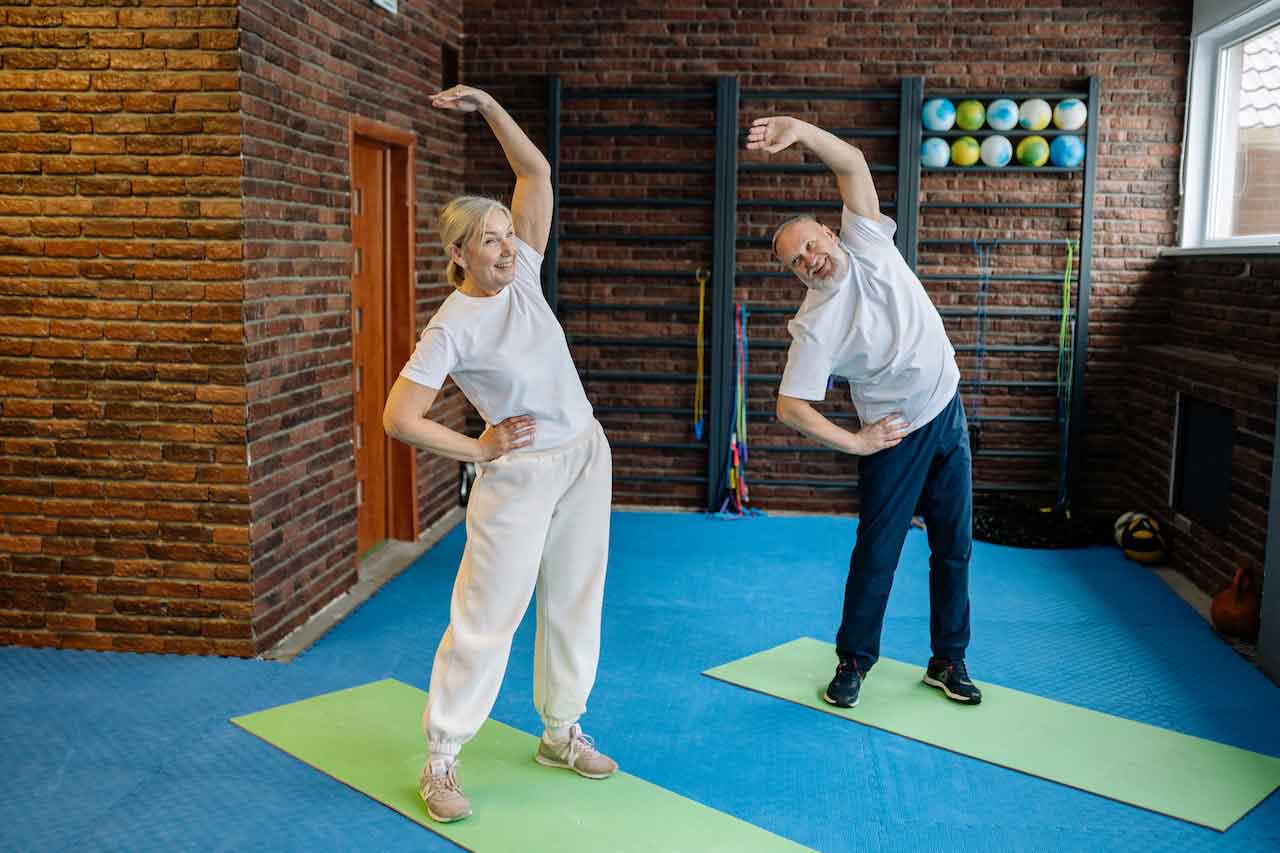
Regular movement is one of the most important ways to protect both body and mind. Exercise doesn’t have to be strenuous to be effective. Gentle activities such as walking, swimming, tai chi or yoga can improve balance, flexibility and strength. These benefits help to reduce the risk of falls while also supporting cardiovascular health. Physical activity also releases endorphins, the body’s natural mood boosters, which can play a key role in reducing anxiety and depression.
Nourishing The Body with Balanced Nutrition
A varied and nutritious diet can help to maintain energy levels, protect against illness, and support cognitive function. Fresh fruit, vegetables, whole grains, lean proteins and healthy fats are essential building blocks for good health. Staying hydrated is equally important, as dehydration can often be overlooked in later years. Sharing meals with family or friends can also provide valuable opportunities for social connection, further enhancing wellbeing.
Maintaining Mental Stimulation
Keeping the brain active is as vital as maintaining physical strength. Activities such as reading, puzzles, crosswords, and learning new skills can strengthen cognitive reserves. Engaging in creative pursuits like painting, writing, or playing music offers both mental stimulation and emotional expression. Lifelong learning, whether through formal courses or informal hobbies, helps foster a sense of achievement and purpose.
Building Strong Social Connections
Loneliness and isolation can have a detrimental effect on happiness and health. Maintaining relationships with family, friends, and neighbours is essential. Joining clubs, volunteering, or attending community events provides valuable opportunities to meet new people and strengthen support networks. Modern technology also offers additional ways to stay in touch, whether through video calls, online groups, or social media.
The Importance of Supportive Environments
Where we live has a major impact on how happy and secure we feel. Comfortable surroundings, opportunities for activity, and access to high-quality care all contribute to wellbeing. For example, communities such as Signature Care Homes provide an environment where residents can enjoy independence, companionship, and tailored support. A setting that prioritises dignity and personal choice can help older adults thrive emotionally and physically.
Practising Mindfulness and Relaxation
Stress doesn’t disappear with age, but healthy coping strategies can make it easier to manage. Practices such as meditation, deep breathing, or simply spending time in nature can bring a sense of calm and perspective. Gratitude journals and mindfulness exercises also encourage people to focus on the positives in life, which can have lasting benefits for mood and outlook.
Prioritising Sleep and Rest
Quality sleep is often undervalued but is vital for physical repair, memory consolidation, and emotional stability. Creating a calming bedtime routine, limiting caffeine, and keeping a consistent sleep schedule can improve rest. Regular relaxation throughout the day, whether by reading or simply sitting quietly, also supports overall wellbeing.
Conclusion
Later life should be celebrated as an opportunity to embrace new routines, nurture relationships, and enjoy meaningful experiences. By staying active, eating well, engaging the mind, and surrounding yourself with positive connections and supportive environments, happiness can be enriched at every stage. Healthy habits may require small changes, but their rewards can be transformative, bringing greater joy, resilience, and fulfilment.