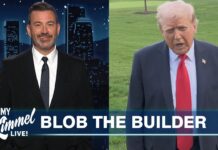
THUNDER BAY — September 18, 2025 | NetNewsLedger Politics 2.0 — Two seismic moves in U.S. late night—CBS canceling The Late Show With Stephen Colbert (effective May 2026) and ABC suspending Jimmy Kimmel Live! indefinitely—have ignited a fierce debate about free expression, political pressure, and how private broadcasters make editorial decisions in a polarized climate.
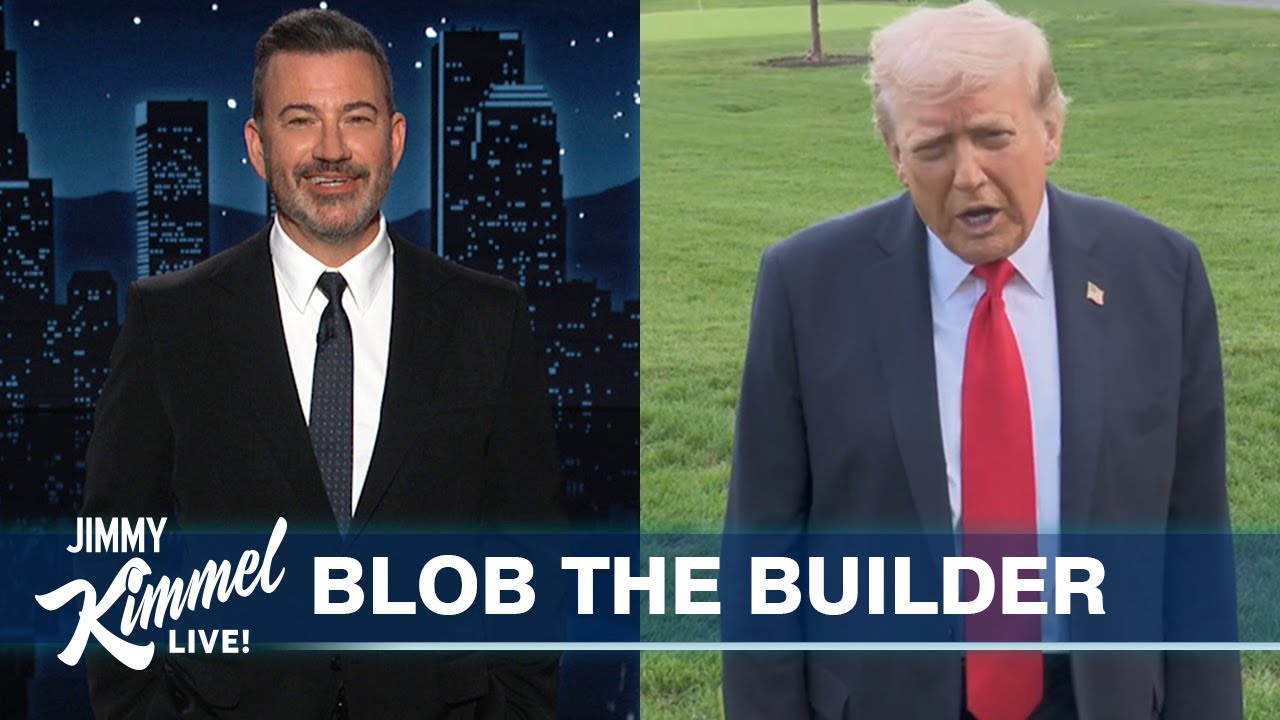
ABC’s decision followed Kimmel’s monologues referencing and critiquing reactions to the assassination of conservative activist Charlie Kirk on September 10. The suspension came amid public and regulatory pressure, including threats from FCC Chair Brendan Carr and affiliate pullbacks—moves that free-speech advocates argue effectively chill protected expression even when the government isn’t directly censoring content.
Some concern has to come from how United States President Donald Trump has commented on his Truth Social platform about the commentary in the late night television monologues. Trump attempted to claim credit for the cancelation of The Late Show, and has been a constant commentator on Jimmy Kimmel.
What actually happened—and what’s being argued
-
Kimmel suspended: ABC (Disney) pulled Jimmy Kimmel Live! “indefinitely” after his remarks about Kirk’s killing; large affiliate groups, including Nexstar, preempted the show. President Trump praised the move; prominent media figures and some FCC officials criticized it as an attack on free speech.
-
Colbert canceled (end date in 2026): CBS said ending The Late Show is a financial decision amid a shifting TV market; the show continues for now and concludes in May 2026. Nonetheless, the timing has fueled speculation about political motives.
-
Kirk’s killing is real—and politicized: Authorities and media confirm Charlie Kirk was fatally shot during a campus appearance, sparking waves of grief, outrage, and misinformation online.
The reality is the murder of Charlie Kirk is a terrible event. That he may have been killed over his views and words and speeches is a direct affront to freedom of speech and the right of people to freely express their views.
Agree with someone’s ideas, words, or speech fine! Violence is never a solution.
Is this “free speech” or corporate policy—or both?
In U.S. law, the First Amendment restrains government, not private companies. Private broadcasters can cancel or suspend shows. But when government officials threaten penalties (for example, FCC license actions) to influence programming, critics argue that becomes unconstitutional “jawboning”—state coercion through private intermediaries. The FCC traditionally polices obscenity/indecency, not political viewpoint; the Fairness Doctrine that once required contrasting viewpoints was repealed in 1987.
That’s why Kimmel’s case alarms press-freedom groups: even if ABC has the right to suspend a host, explicit pressure from regulators can chill speech well beyond one show.
Why Canadians—and Thunder Bay—should care
-
Cross-border culture: Northwestern Ontario audiences stream and watch U.S. late night; editorial shocks there ripple into the Canadian conversation.
-
Censorship vs. standards: Canada’s Charter also constrains government, not private outlets; content standards and complaints run through the CRTC in different ways than the U.S. FCC. Watching this U.S. test case matters for any democracy balancing robust debate and responsible broadcasting.
-
Creators’ takeaway: If you produce podcasts, streams, or local news video here, know your platform rules—and understand how politics + platform policy + advertiser risk can shape what gets heard.
The temperature check
Late night has long mixed comedy and critique. What’s new is the mix of politics, platform economics, and regulatory pressure.
As Colbert approaches a scheduled end and Kimmel goes dark, the bigger question isn’t left vs. right—it’s whether government pressure + corporate caution narrows the space for sharp commentary across the board.