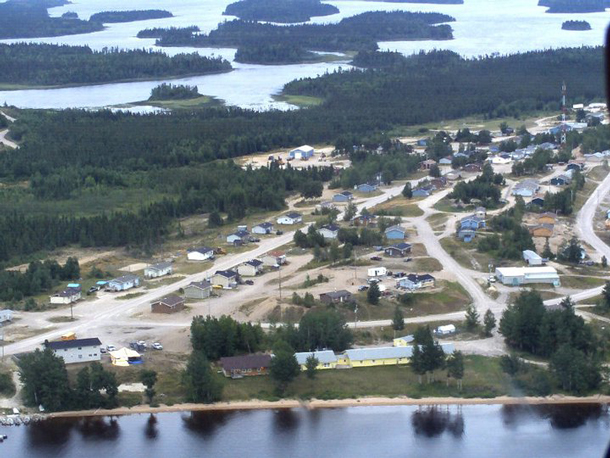
THUNDER BAY — HEALTH NEWS — Ontario’s Office of the Chief Coroner has scheduled the inquest into the deaths of Luke Moore (43), Lorraine Shaganash (47), Lizzie Sutherland (56), Mark Ferris (67) and Douglas Taylor (60), who died during the 2021–2022 blastomycosis outbreak in Constance Lake First Nation (CLFN) near Hearst.
Proceedings start Wednesday, October 15, 2025 at 9:30 a.m. with Dr. Michael Wilson presiding and counsel Kristin Smith, Julian Roy and Shruti Ramesh.
The inquest will run in a hybrid format—in person at the CLFN community hall Oct. 15–17 (Wed–Fri) and then by video conference starting Oct. 20—and is expected to last about 25 days with testimony from ~30 witnesses. The jury may issue recommendations to prevent future deaths.
Members of the public can observe via the inquest’s online stream (details provided through the coroner’s notice).
What is Blastomycosis?
Blastomycosis is a fungal infection caused by Blastomyces spp., molds that live in moist soil and decomposing wood or leaves. When soil is disturbed (e.g., yard work, construction, trail or shoreline excavation), tiny spores can become airborne and be breathed into the lungs. Most disease starts in the lungs and can look like pneumonia; in some cases it spreads (disseminates) to the skin, bones, or other organs. It is not contagious between people (or from pets to people).
Symptoms & Incubation
Symptoms often begin 3 weeks to 3 months after exposure and can include fever, cough, shortness of breath, chest or rib pain, night sweats, fatigue, weight loss, and sometimes skin lesions (bumps, blisters, or ulcers). Some people are asymptomatic, while severe cases can lead to respiratory failure.
Who’s at Higher Risk?
Anyone can get blastomycosis if exposed, but risk increases with frequent soil/wood disturbance (construction, forestry, landscaping, trail work), outdoor recreation in endemic areas, and underlying immune compromise.
Dogs are also susceptible and sometimes serve as a sentinel for local exposure.
Diagnosis & Treatment
Clinicians consider blastomycosis when pneumonia-like illness doesn’t respond to usual antibiotics and there’s environmental exposure. Diagnosis may involve culture, microscopy/biopsy, antigen or molecular tests. Treatment uses antifungals—typically itraconazole for mild–moderate disease and amphotericin B for severe or disseminated disease—often for months to prevent relapse.
Why It Matters in Northwestern Ontario
Public health data show Blastomyces is established in parts of Northwestern Ontario, with local health authorities reporting some of the highest rates in the province.
That background risk, plus forested terrain, shorelines, and soil disturbance near communities, helps explain why outbreaks like CLFN’s in 2021–2022 have occurred and why timely recognition is critical.
What Residents Can Do
-
Be aware of symptoms after soil-disturbing activities in forested or riverside areas.
-
Seek medical care if you have persistent pneumonia-like illness (especially if it doesn’t improve with standard antibiotics) and mention possible environmental exposure.
-
For community projects (digging, shoreline/road work), consider dust suppression and other exposure-reduction measures.
About the Inquest
-
When: Starts Oct. 15, 2025, 9:30 a.m.; expected length ~25 days
-
Where: CLFN Community Hall (Oct. 15–17) and online thereafter
-
Presiding Officer: Dr. Michael Wilson
-
Counsel: Kristin Smith, Julian Roy, Shruti Ramesh
-
Purpose: Examine circumstances surrounding the five deaths and consider jury recommendations to prevent similar outcomes.