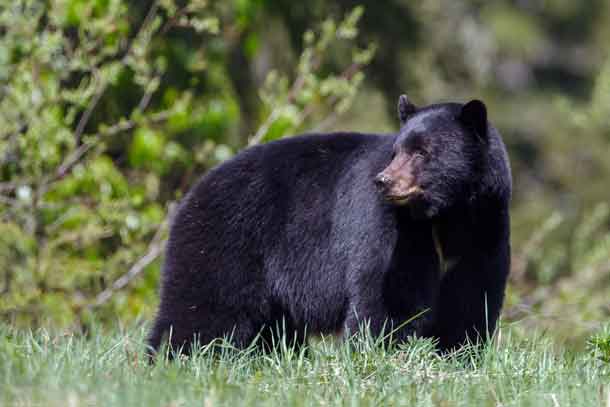
THUNDER BAY — NetNewsLedger | Regional Outdoors & Safety — As nights cool and leaves turn, bears across Northern Ontario enter hyperphagia—a frantic feeding phase to pack on fat before there hibernation denning.
That seasonal push often brings bears into neighbourhoods, where fallen fruit (especially apples and crab apples), unsecured garbage, BBQ grease, bird feeders, and pet food can add up to an irresistible buffet.
The good news: a few simple, consistent habits dramatically reduce yard visits and keep people, pets, and bears safer.
Why fall means more bear sightings
-
Calories, fast: Bears may eat for up to 20 hours a day in fall. Easy calories near homes save time and energy.
-
Scent carries farther: Cool, dense air and evening breezes broadcast food odours from fruit, garbage, and grills.
-
Learned behaviour: One “reward” can train a bear to return. Preventing that first success is key.
The Fruit Factor: Apples & Crab Apples
Fallen fruit is a top attractant in September and October. Even tidy yards can drop dozens of apples overnight. Make a plan:
Daily during peak drop
-
Pick fallen fruit every evening. Don’t let it sit overnight.
-
Collect lower branches: pick reachable fruit so less falls.
-
Contain properly: use covered, rigid bins with tight lids; don’t pile fruit by the fence or compost casually.
Weekly
-
Prune and thin in season to reduce overproduction and windfall.
-
Share or press: set up a neighbourhood gleaning day; donate excess to farms (for appropriate livestock) or community groups where allowed.
-
Secure storage: keep boxed fruit indoors (garage/shed) — not on decks or in breezeways.
Compost
-
Use a bear-resistant composter (latching, rigid).
-
Bury fruit deep, cover with browns (leaves/wood chips), and never add meat, fish, oil, or dairy.
-
If curbside organics aren’t bear-resistant, freeze fruit scraps and set them out the morning of pickup.
Make Your Home Less Interesting to Bears: A Yard Checklist
Garbage & recycling
-
Store indoors or in a locked enclosure.
-
Put carts out morning of collection, not the night before.
-
Rinse cans/jars; double-bag smelly waste; consider bear-resistant carts where available.
BBQs & outdoor kitchens
-
Burn off grates after cooking; empty and wash grease trays.
-
Store grills clean and closed; cover helps contain scent.
Bird feeders
-
Take feeders down from August through November (or use hummingbird feeders only and bring them in nightly).
-
Rake up spilled seed under trees and decks.
Pet & livestock
-
Feed pets indoors; pick up bowls after meals.
-
Store chicken feed and grain in metal cans with tight lids; clean coops regularly.
-
Consider electric fencing (properly installed and maintained) around orchards, beehives, or small livestock.
Landscape & structures
-
Trim shrubs near doors/paths for visibility.
-
Motion lights can discourage late-night visits (use thoughtfully so they don’t attract insects to fruit trees).
-
Seal crawlspaces and under-deck areas where food odours could accumulate.
If You See a Bear
-
Stay calm; give space. Keep pets leashed and bring them inside.
-
Make your presence known: speak firmly, clap; back away slowly — don’t run.
-
If a bear is in your yard, remove the attractant once it leaves.
-
If the bear lingers, acts bold, or returns, contact local authorities or Ontario’s Bear Wise program for guidance.
-
In an immediate threat to life or safety, call 911.
Be a Good Neighbour: Community Actions
-
Organize a weekly fruit-pick hour on your block.
-
Share this checklist in building lobbies, workplaces, and school newsletters.
-
Ask your municipality or waste provider about bear-resistant carts and morning-only set-out policies.
Quick 5-Minute Evening Routine (Sept–Oct)
-
Walk the yard; pick up apples/crab apples.
-
Empty/clean BBQ grease tray.
-
Bring in pet food, feeders, and any coolers.
-
Secure garbage/organics indoors.
-
Latch sheds, garage, and composters.
Small, steady steps prevent property damage, protect pets, and keep bears wild — which is better for everyone.