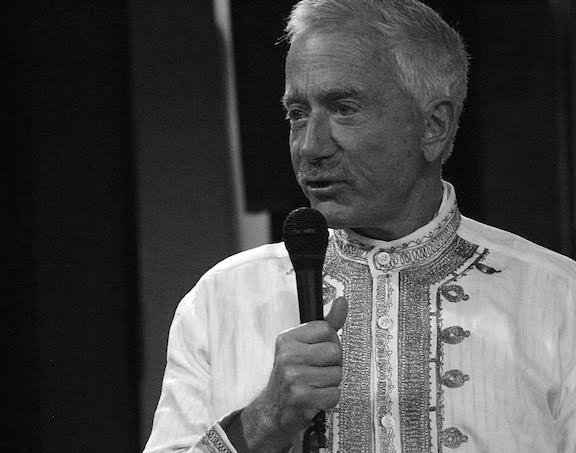
Portland, Oregon — September 2, 2025 – At 76, Terry Bean continues to be one of the most influential and enduring figures in American LGBTQ+ advocacy. From marching in the streets to advising presidential campaigns, Bean has spent the past five decades shaping the national conversation around equality. His journey from student protester to political strategist offers a powerful reflection on the resilience and reach of the LGBTQ+ rights movement—and the urgency of defending its gains in today’s climate.
“None of this was inevitable,” Bean says. “Progress happened because people organized, fought back, and refused to settle. We earned every step, and we have to keep earning it.”
As anti-LGBTQ+ sentiment resurges across the country, Bean is urging the next generation to return to the roots of activism—while also stepping fully into positions of power. For him, the future of equality doesn’t rest on visibility alone. It demands leadership, accountability, and long-term vision.
From Protest to Politics
Terry Bean’s story begins in Eugene, Oregon, where he attended the University of Oregon in the late 1960s. He immersed himself in anti-war protests and early civil rights organizing, finding both a purpose and a calling in collective resistance.
“That period taught me that staying quiet was never an option,” he recalls. “Whether it was Vietnam or gay rights, silence only protects the status quo.”
In 1980, Bean helped co-found the Human Rights Campaign (HRC), now the largest LGBTQ+ civil rights organization in the United States. HRC’s mission was bold and focused: build political power for the LGBTQ+ community in Washington, D.C. At a time when many feared coming out publicly, Bean put his name, resources, and reputation on the line to ensure LGBTQ+ voices would no longer be ignored.
“We knew that unless we had a presence in the room, the policies that shaped our lives would be written without us,” he says.
Defeating Measure 9 and Defining a Movement
Bean’s organizing skills were tested like never before in 1992, when Oregon faced a dangerous ballot initiative known as Measure 9. The measure sought to label homosexuality as “abnormal” in the state constitution and prohibit public school instruction on LGBTQ+ issues. It was one of the most aggressive and deeply personal attacks on the LGBTQ+ community at the time.
Bean sprang into action. He led the campaign’s fundraising efforts and helped organize a wide-reaching coalition that included parents, teachers, clergy, and business leaders. His strategy focused on storytelling, public education, and refusing to let hate define the narrative.
“We had to remind people that this wasn’t about slogans or ideology—it was about real people, real families, and real lives,” he says.
Thanks to those efforts, Measure 9 was defeated. The campaign became a national model for how to beat back discriminatory legislation—and cemented Bean’s status as one of the LGBTQ+ movement’s most effective political operators.
Building Political Power Through the Victory Fund
Recognizing that policy change required more than protests and court rulings, Bean turned his attention to elections. In 1991, he co-founded the Gay & Lesbian Victory Fund, a groundbreaking initiative to help LGBTQ+ candidates run for—and win—public office.
“Our goal was to move beyond advocacy and actually shape government from the inside,” Bean says.
Through its candidate training, endorsements, and funding, the Victory Fund helped elect hundreds of openly LGBTQ+ leaders nationwide, including future U.S. Senator Tammy Baldwin. For Bean, the message was clear: LGBTQ+ people should never have to wait for allies to speak on their behalf.
“When we win seats at the table, we bring our full selves and our communities with us,” he says. “And we change policy in a way that’s lasting.”
The Evolution of Equality
While the LGBTQ+ movement has seen major victories—marriage equality, workplace protections, and increased representation—Bean remains cautious. He believes progress can unravel quickly without vigilance, especially given the recent surge in anti-trans laws, school censorship bills, and healthcare restrictions.
“This is not just a cultural backlash,” Bean warns. “It’s a coordinated political campaign to roll back rights and normalize discrimination.”
He points to the danger of assuming that increased representation equals systemic change. For him, visibility is powerful, but power without policy is not enough.
“Being seen isn’t the same as being safe,” he says. “We need laws that protect us, resources that support us, and leaders who stand with us—not just during Pride, but every single day.”
From Behind the Scenes to National Recognition
Though never one to seek the spotlight, Bean’s work has received formal recognition. In 2008, Oregon Governor Ted Kulongoski declared August 23 “Terry Bean Equality Day,” honoring his decades of service to the cause of civil rights. For Bean, the day is not about personal accolades, but a reminder of the community’s journey and the ongoing need for activism.
“I see that proclamation as a tribute to the thousands of people I’ve worked alongside,” he says. “This work has never been about one person—it’s always been about all of us.”
Mentoring the Movement Forward
Today, Bean dedicates much of his time to mentoring young organizers, passing along hard-won lessons and encouraging them to take bold risks in their own leadership.
“I want this generation to be smarter than we were—more strategic, more inclusive, and more fearless,” he says.
He emphasizes the importance of intersectionality, urging LGBTQ+ organizations to fully center the voices of people of color, trans and nonbinary individuals, and those living at the economic margins.
“Progress that leaves people behind is not progress—it’s privilege,” Bean says. “We have to be relentless about bringing everyone with us.”
Refusing to Retire
Though he could have stepped back years ago, Bean continues to advise campaigns, speak publicly, and participate in the daily work of organizing. For him, activism is not a career—it’s a lifelong obligation.
“There’s no clocking out of justice,” he says. “The moment you think the work is done is the moment you start losing ground.”
He remains involved in efforts to fight anti-LGBTQ+ legislation, support inclusive candidates, and defend civil rights at every level. Whether through policy advocacy or mentorship, Bean shows no signs of slowing down.
“I’m still here because the work still needs doing,” he says simply. “That’s all the reason I need.”
A Legacy Still in Progress
From campus protests to Capitol Hill, Terry Bean has helped shape the arc of LGBTQ+ rights in America. But as he reflects on his legacy, he’s less interested in looking back than in what still lies ahead.
“My legacy isn’t a statue or a title,” he says. “It’s the people who take what we’ve built and carry it further. It’s the laws we pass, the communities we empower, and the kids who grow up knowing they belong.”
In that spirit, Bean continues to build, mentor, and organize. And in every step forward the movement takes, his fingerprints remain—quietly shaping a future that, like him, refuses to quit.
About Terry Bean
Terry Bean is a nationally recognized LGBTQ+ civil rights advocate, strategist, and philanthropist. He co-founded the Human Rights Campaign and the Gay & Lesbian Victory Fund, played a pivotal role in defeating Oregon’s Measure 9, and has helped elect hundreds of LGBTQ+ candidates across the country. He resides in Portland, Oregon, where he