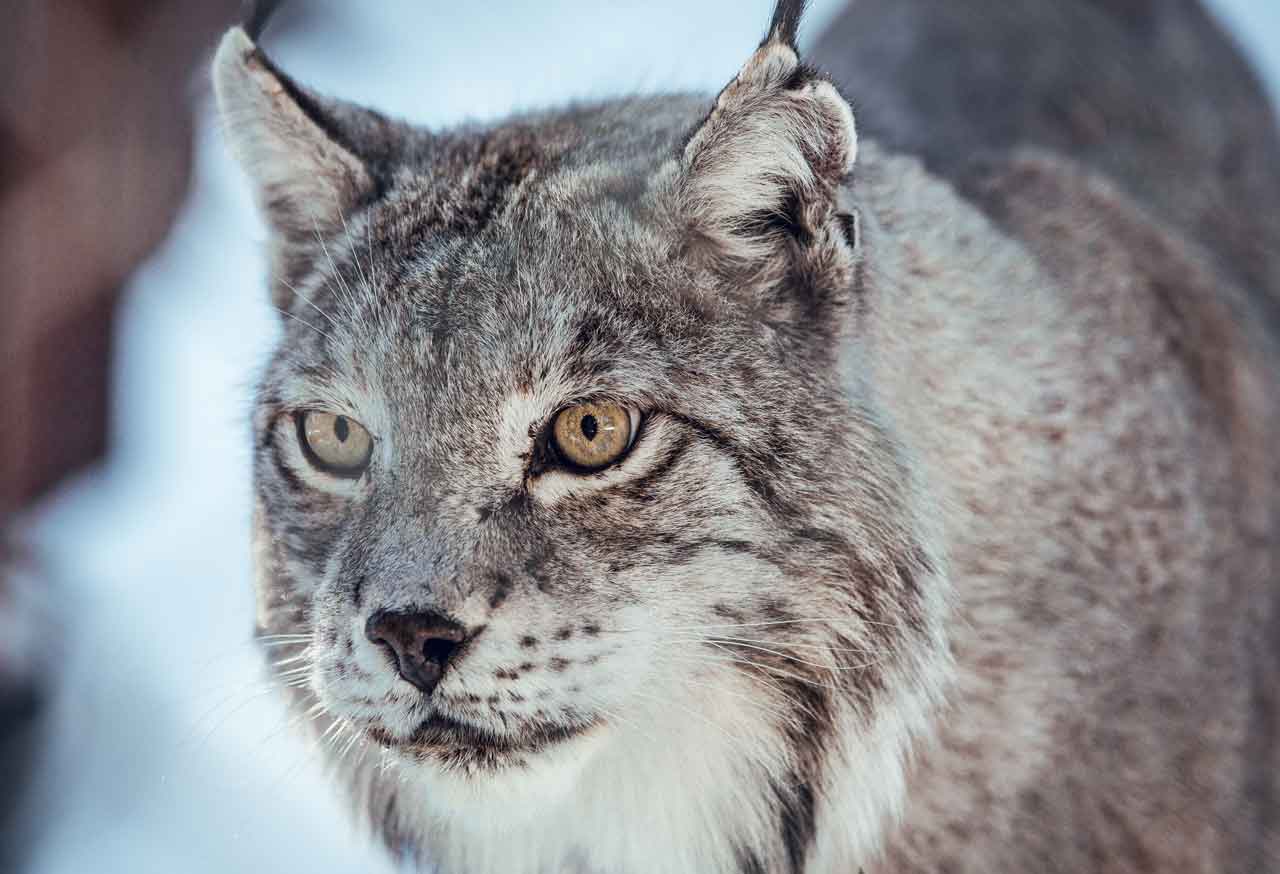
THUNDER BAY – LIFESTYLE — Winter’s approach brings more than icy roads and snowfall—it brings a quiet, stark beauty to Northwestern Ontario that calls out to photographers. Whether you’re watching a lynx disappear into the boreal woods or capturing the crimson sky over Lake Superior, landscape and wildlife photography can become a deeply rewarding pursuit.
In this article we will seek to guide you into making the best choices for cameras, lenses and accessories.
One of the first choices in purchasing a new camera today is choosing either a DSLR or mirrorless camera.
DSLR vs. Mirrorless: Which Camera Should You Choose?
Choosing between a DSLR and a mirrorless camera is one of the first big decisions new photographers face—and both systems have their strengths. DSLRs (Digital Single-Lens Reflex cameras) use a mirror and optical viewfinder, offering a traditional shooting experience that many find intuitive.
They typically have longer battery life, a wide range of affordable lenses, and are known for their durability. Brands like Nikon and Canon still offer great DSLRs that can serve beginners and enthusiasts well.
On the other hand, mirrorless cameras—like Sony’s Alpha series or Canon’s EOS R line—are smaller, lighter, and packed with modern features like real-time autofocus, silent shooting, and electronic viewfinders that preview exposure and effects in real-time.
They are especially good for video and fast action photography.
While battery life can be shorter, mirrorless technology is evolving fast and now rivals, if not surpasses, DSLRs in image quality and versatility.
For most new photographers, mirrorless systems offer a more future-proof investment, but the best choice ultimately depends on your comfort, budget, and the type of photography you want to pursue.
For those starting their photography journey—or looking to take it to the next level—Sony’s mirrorless camera system is a top-tier choice. From affordable, beginner-friendly models to high-end professional rigs, Sony’s gear allows you to grow as an artist without switching ecosystems.
So what’s the best Sony setup for someone moving from beginner to expert?
Here’s a comprehensive look at the ideal camera, lens, and accessories to bring your outdoor photography into sharp focus.
First Why Sony?
Sony has rapidly become the go-to brand for photographers who want lightweight, weather-sealed cameras with outstanding image quality and industry-leading autofocus—essential for wildlife tracking and changing light conditions typical of the Canadian north.
There is absolutely nothing wrong with choosing Canon, Nikon, Pentz, Olympus, or other brands.
On a personal level, my first camera was a Minolta SLR, I later shifted to Olympus with an OM-1 fully manual camera. I then started using Canon. When I made the shift to Sony, in a way that came full-circle for me, as Sony purchased the camera and photography assets from Konica / Minolta.
Why? By the late 1990s and early 2000s, Minolta began to struggle in the face of rapidly changing technology. The shift from film to digital photography disrupted the entire camera industry, and Minolta was slow to adapt. While the company did enter the digital camera market, its offerings lagged behind competitors like Canon, Nikon, and Sony in both innovation and market share. To remain viable, Minolta merged with Konica in 2003, forming Konica Minolta, with the hope of staying competitive in both consumer and professional imaging markets.
Despite the merger, Konica Minolta continued to lose ground in the increasingly digital and tech-driven camera sector. In 2006, just three years after the merger, the company announced it would be completely withdrawing from the camera business. In a pivotal move that same year, it sold its camera and photography-related technology—including lens and autofocus patents—to Sony, a then-new but ambitious entrant to the DSLR market.
This transfer of assets laid the foundation for what would become Sony’s Alpha series, now one of the world’s most respected camera lines.
One of the major reasons the Sony A6000 for me at the time was the best choice was a combination of price and features. The A6000 has built-in image stabilization.
Their Alpha mirrorless lineup offers options that suit any level of experience, with excellent support for both landscape detail and wildlife action.
Of course experts with their Canon, Nikon or Olympus will likely argue for hours that their choice is the best choice. That is a part of the fun – don’t let it get to you.
Choosing the Right Camera: Beginner to Expert
For Beginners: Sony α6700
The Sony a6700 is a fantastic choice for a new photographer who wants to grow into their gear without quickly outgrowing it. Compact yet powerful, the a6700 features a 26MP APS-C sensor, fast autofocus, and Sony’s renowned image processing—making it perfect for learning the basics while still delivering professional-quality results.
Whether you’re shooting landscapes, portraits, or wildlife, its real-time subject tracking and fast burst shooting help you capture sharp, dynamic images, even as a beginner.
What makes the a6700 especially appealing is its flexibility. You can start with a simple kit lens, then expand into Sony’s wide selection of lenses as your skills improve.
It also includes in-body image stabilization, a fully articulating touchscreen, and 4K video recording—useful if you’re exploring both photography and content creation. The a6700 strikes a balance between performance and ease of use, making it an ideal long-term investment for aspiring photographers who want to start strong and keep growing.
For Intermediate Shooters: Sony α7 IV
The Sony α7 IV is an excellent choice for intermediate photographers ready to take their skills to the next level. With its 33MP full-frame sensor, the α7 IV delivers exceptional image quality, dynamic range, and low-light performance—ideal for everything from landscapes and portraits to events and wildlife.
It features real-time autofocus tracking, 10 frames-per-second burst shooting, and advanced subject detection (including eyes for humans, animals, and birds), allowing you to capture sharp, decisive moments with ease. For photographers transitioning from crop-sensor cameras, the α7 IV offers a noticeable leap in depth, clarity, and overall image quality.
Beyond still photography, the α7 IV is also a powerhouse for hybrid shooters interested in video. It records in crisp 4K 60p and includes tools like focus peaking, zebras, and customizable color profiles (including S-Log and HLG) for cinematic footage.
The camera body is weather-sealed and robust, with dual card slots and a fully articulating touchscreen that make it versatile for both studio work and rugged outdoor shoots. For photographers in that “serious hobbyist to aspiring professional” space, the α7 IV offers a well-balanced mix of creative freedom, technical power, and long-term value.
For Experts: Sony α1
The crown jewel of Sony’s camera line. The Sony α1 stands at the pinnacle of mirrorless camera technology and is the ideal choice for serious photographers who demand uncompromising performance across all genres.
Boasting a 50.1MP full-frame stacked CMOS sensor and the ability to shoot 30 frames per second, the α1 delivers both extreme resolution and lightning-fast speed—perfect for capturing everything from detailed landscapes to split-second wildlife action.
Its advanced autofocus system, with real-time tracking and eye detection for humans, animals, and birds, ensures precision even in the most challenging conditions.
Designed for professionals and high-end enthusiasts, the α1 also excels in video, offering 8K 30p and 4K 120p recording, making it a true hybrid tool for creators who work across stills and motion.
Its robust, weather-sealed body, dual card slots, and high-resolution electronic viewfinder give it the durability and responsiveness needed for demanding field work. For photographers shooting commercial projects, large-scale prints, or fast-paced sports and wildlife, the Sony α1 is a future-proof investment that pushes the boundaries of what’s possible with one camera.
Do I Need to Buy a New Camera and Lenses to Start Photography?
As someone just getting into photography, it’s easy to think you need the latest camera and a bag full of expensive lenses to take great photos—but that’s not true.
Many beginners start with what they already have, like a smartphone or a secondhand camera, and learn the basics of light, composition, and focus before investing in more gear.
Starting simple has its advantages. It allows you to focus on building skills rather than being overwhelmed by technical settings or the pressure of expensive equipment.
A basic DSLR or mirrorless camera with a kit lens is more than enough to capture landscapes, portraits, and even wildlife while you learn the ropes.
As you grow in confidence and start to feel limited by your current gear—like needing faster autofocus or a sharper lens for detailed shots—you can gradually upgrade. But in the beginning, your creativity matters far more than your camera model.
So no—you don’t need to buy all new gear right away. Start with what you have or can afford, learn how to see the world through a photographer’s eyes, and let your gear grow with your skills.

Top Lens Choices for Outdoors
For Landscapes
-
Sony 16-35mm f/2.8 GM: Exceptional sharpness and low-light performance make this lens a must for dramatic Northern landscapes, from frozen lakes to vast ridgelines.
-
Sony 24-105mm f/4 G OSS: More versatile for walking trails and cityscapes alike, this lens gives you wide-angle to short-telephoto in one compact build.
For Wildlife
- Sony 70-200 f/2.8 GM OSS II: The workhorse lens for photographers. This lens has the ability for fast shooting in lower light, enough reach for most pictures, and yet also works for all other areas of your photographic journey.
-
Sony 100-400mm f/4.5-5.6 GM OSS: Lightweight, sharp, and ideal for birds, deer, or distant moose. Excellent autofocus tracking.
-
Sony 200-600mm f/5.6-6.3 G OSS: Reach farther into the wilderness without breaking the bank. A favourite among serious wildlife shooters.
Bonus tip: Add a 1.4x or 2x teleconverter to extend your reach without switching lenses.
What to Look for in Memory Cards for Photography
When it comes to photography, your memory card is just as important as your camera—after all, it’s where your images are stored.
You likely will want to have a number of memory cards, so don’t forget to get a case for them too!
Choosing the right card depends on what and how you shoot, but there are a few key factors every photographer should consider.
First, pay attention to the card type and format. Most modern cameras use SD cards, but some high-performance models, like the Sony α1, also support CFexpress for faster speeds. Next, check the speed class—look for UHS-I or UHS-II for high-resolution stills, and V30, V60, or V90 ratings if you’re shooting 4K or 8K video.
Speed affects how fast your camera can write images and clear its buffer, especially when shooting in burst mode.
Also consider capacity: 64GB or 128GB is a good starting point for most photographers, but landscape or wildlife shooters capturing in RAW may want 256GB or more.
Lastly, invest in reliable brands like SanDisk, Sony, Lexar, or ProGrade, and always format your card in-camera before use to avoid errors.
A fast, high-quality memory card can mean the difference between catching the shot—or missing it.
Choosing the Right Extra Batteries for Your Camera
If you’re heading out for a full day of shooting—or braving the cold of a Northern Ontario winter—extra camera batteries are essential. Cold weather, long exposures, and high-speed shooting can all drain your battery quickly, and the last thing you want is to miss a great shot because you ran out of power.
When choosing extra batteries, it’s important to stick with trusted brands and models compatible with your camera.
While original manufacturer batteries (like Sony’s NP-FZ100 for many Alpha models) offer the best reliability, third-party options like SmallRig’s USB-C rechargeable batteries are gaining popularity.
These batteries not only deliver solid performance, but they also feature direct USB-C charging, meaning you can top them up with a power bank on the go—no bulky charger required.
Make sure to carry at least three spares, especially for wildlife, event, or travel photography. Store them in a battery case to keep them protected, and rotate their use to maintain lifespan. With dependable, rechargeable options like SmallRig, staying powered in the field is easier—and lighter—than ever.
Essential Accessories for the Field
When you’re shooting in the unpredictable climate of Northern Ontario, reliable accessories are just as important as your camera.
Must-Haves:
-
Tripod: Lightweight yet stable (Peak Design or Manfrotto are great picks)
-
Lens filters: Neutral density (ND) for waterfalls; polarizer for snow glare
-
Camera backpack: Lowepro or Shimoda bags are weather-resistant and built for tough trails
-
Extra batteries: Cold weather kills battery life—carry at least 2–3 spares
-
Photographer’s gloves: Insulated with fingertip access (Vallerret offers winter-specific models)
-
Memory cards: High-speed UHS-II cards for fast shooting and large RAW files
- Hand warmers: Nothing will punish your outdoor time like cold hands.
- Camera Strap: A nice wide strap will make it easier on your neck. While you could use the one that likely came with your camera, look into Peak Design or Cotton Carrier
Where to Practice in Northwestern Ontario
We’re spoiled with beauty up here. Try some of these photo-friendly spots:
-
Sleeping Giant Provincial Park – For iconic cliffs, ice formations, and wildlife
-
Mount McKay Lookout – Catch sunsets over the city or moody snowstorms rolling in
-
Quetico Provincial Park – Rich wildlife, pristine lakes, and silence ideal for remote work
-
Mission Island Marsh – A prime spot for birds, especially in early spring or late fall
From Snapshots to Art
The best camera isn’t the most expensive one—it’s the one you’ll use consistently. That’s why starting with something lightweight and intuitive like the α6700 makes sense for many.
But as your passion grows, so can your gear.
By the time you’re chasing northern lights with a Sony α7 IV or capturing lynx in mid-pounce with an α1 and a 600mm lens, you’ll realize this hobby isn’t just about pictures.
It’s about being present in the wild, and capturing fleeting moments of beauty that many people never see.
Final Thoughts
There’s no wrong place to start—only a wrong time to wait.
As winter paints the landscape in fresh tones of white and blue, grab your camera, gear up, and let the outdoors become your canvas. In Northern Ontario, the next great photo is always just one sunrise—or snowstorm—away.