Schools are supposed to be places where every student can learn and grow. But for neurodiverse students, such as kids with autism or ADHD, regular classrooms can sometimes feel overwhelming, loud, or unsafe.
I know from experience that the right changes can make a big difference. Let us talk about some practical ways to help these students feel included and safe.
Bulletproof Basics: Where to Start
- Train the Teachers –
Many educators want to help but are not sure how. Schools should offer clear training that shows teachers what neurodiversity looks like. Talk about behaviors that might be different. Focus on positive language. When teachers know what to watch for, students are less likely to become frustrated or misunderstood. - The physical setup of a classroom can make a big difference for neurodiverse students. Arrange desks and work areas to minimize distractions and allow for easy movement. Thoughtful school design, like that seen at Bridge Preparatory Charter School, including furniture placement and resource organization, helps students feel secure, focused, and ready to engage with lessons. Consider quiet corners, low-traffic zones, and clearly defined spaces for group work.
- Create Sensory-Friendly Spaces –
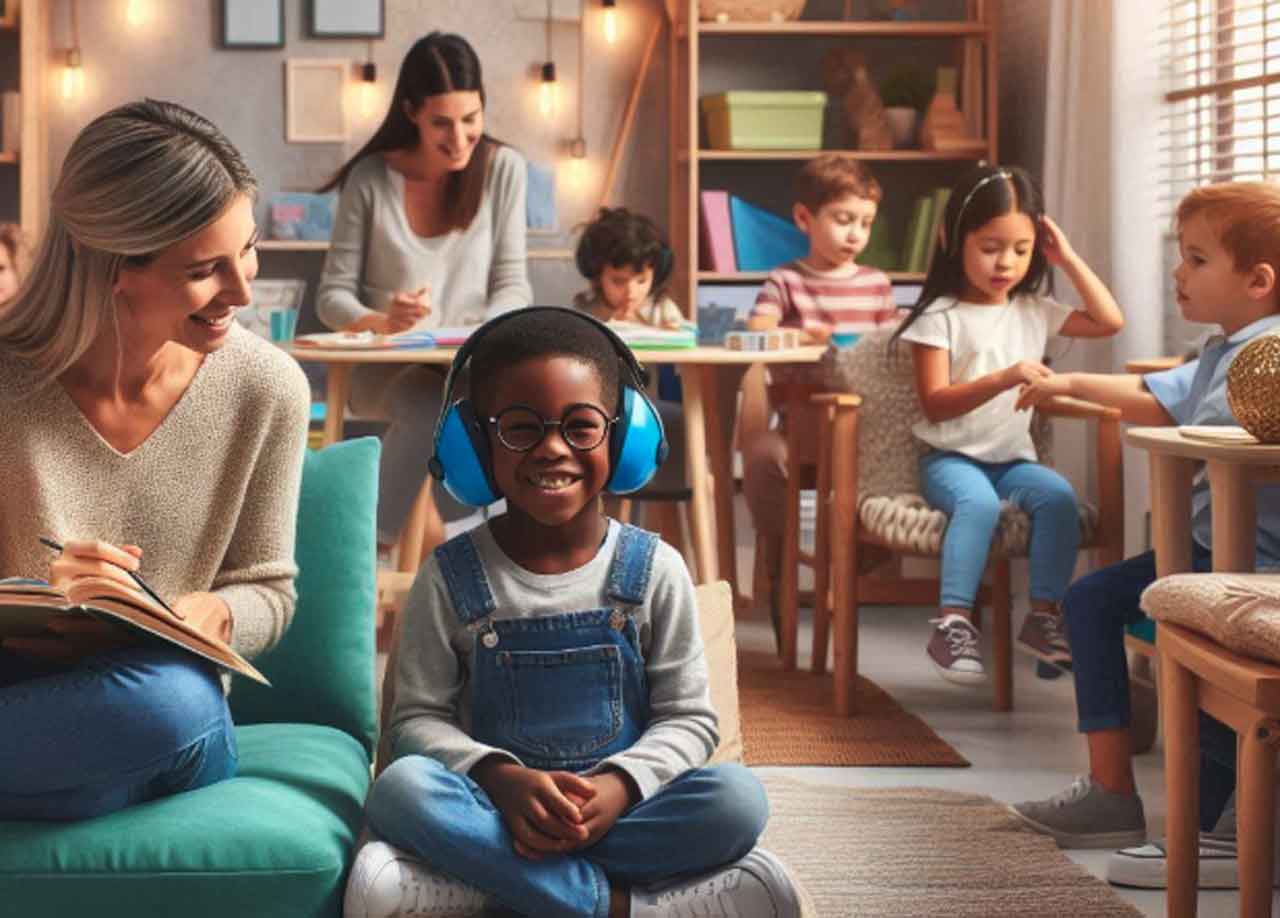
A loud or bright classroom can overwhelm some students. Every school should have at least one quiet room with comfy furniture, dim lights, and minimal distractions. Think about adding things like noise-canceling headphones or fidget tools. These spaces give students a safe place to calm down if their senses get overloaded.
- Peer Support Programs –
Having a buddy system is helpful. Train some classmates to support their neurodiverse peers. When students stick together, they can work through tough situations and avoid loneliness. Friendships grow, and so does acceptance.
Big Building Blocks for Lasting Change
Policy Adjustments that Matter
Strong policies help everyone know what is expected. Make sure school rules do not punish students for stimming, pacing, or other self-soothing behaviors that do not hurt anyone.
Review your discipline codes. Add clear language that protects neurodiverse kids from bullying or isolation.
Most importantly, invite families and neurodiverse students to help write these rules. They know what works best.
Teaching Students to De-escalate
Sometimes, things just get too much for a student to handle. This can lead to sensory overload or an emotional meltdown.
It is important to know that a meltdown is not a tantrum, but a sign that a student’s brain needs support, not punishment.
How This Looks in Action
Schools need both environmental changes and staff training. Experts agree that these steps help reduce anxiety, lead to more positive social interaction, and make classrooms feel less threatening for neurodiverse kids.
Policies should guide the way teachers respond to behaviors that result from overstimulation, while peer support structures make it easier for everyone to feel like they belong.
It is straightforward. When we pay attention to small changes, we help everyone succeed.
Examples to Learn From:
- A middle school creates a calming corner in each hallway. Students with sensory needs use these corners to regroup and head back to class ready to learn.
- An elementary school trains fifth graders to be peer mentors for kids with autism. These mentors help new students feel safe and included on the playground.
- A high school rewrites its discipline code to focus on support, not punishment, for students that engage in self-regulating behaviors.
Every mind is different, and that is the real strength of a good school. With a few smart changes, we can make sure neurodiverse students get the chance to thrive.
Every Mind Matters: Create Classrooms That Work for All
Creating safe spaces for neurodiverse students takes training, creative policies, sensory-friendly rooms, and consistent support from both staff and peers.
Listening to students and families leads to smarter changes as well. It is not just about rules, but real acceptance and friendships.
With these steps, any school can become a place where every mind feels welcome and ready to shine.