Introduction to Portable Power Stations
In our modern, tech-driven world, access to reliable electricity has become a basic necessity rather than a luxury. Whether you are camping in a remote forest, working in a location with no outlets, or facing a power outage at home, the ability to keep your devices and small appliances running can make a huge difference. This is where a portable power station proves its worth. Compact, rechargeable, and versatile, these units are increasingly becoming a must-have for outdoor enthusiasts, digital nomads, and homeowners who want an emergency backup. Unlike traditional gas-powered generators, portable power stations run on stored battery energy, which means they are cleaner, quieter, and far easier to use.
What a Portable Power Station Can Do
A portable power station is essentially a large rechargeable battery with multiple output options, allowing you to charge or operate various devices. Many models come equipped with AC outlets, USB ports, and DC car sockets, so you can plug in anything from your smartphone to your mini-fridge. Their portability makes them ideal for travel, road trips, and even professional use at job sites where conventional electricity is unavailable. In many ways, they have redefined the meaning of “on-the-go” power by combining convenience, eco-friendliness, and efficiency in a single package.
Quiet, Clean, and Eco-Friendly Energy
One of the biggest advantages of portable power stations is their ability to deliver energy without noise or harmful fumes. This makes them perfect for use in quiet environments such as campsites, libraries, or even bedrooms during emergencies. They are also much safer for indoor use compared to gas generators, which require ventilation due to carbon monoxide emissions. For eco-conscious users, many models can be recharged with solar panels, offering a completely renewable energy solution. This combination of clean power and portability has made them a popular choice for those seeking sustainable living or wanting to reduce their carbon footprint.
Diverse Applications in Everyday Life
The uses for a portable power station are incredibly diverse. For campers and hikers, it can keep essential equipment like lanterns, cooking devices, and GPS units running throughout the trip. For remote workers or digital nomads, it ensures laptops, cameras, and Wi-Fi devices remain charged no matter where the office happens to be that day. Even families who enjoy long road trips find them useful for powering entertainment devices, small coolers, and navigation systems without draining the car battery. In emergency situations such as storms or power grid failures, a portable power station can be a lifeline, keeping medical devices, radios, and phones operational until regular service is restored.
Choosing the Right Portable Power Station
When it comes to choosing the right portable power station, several key factors should be considered. The first is battery capacity, usually measured in watt-hours (Wh). This determines how long the power station can run your devices before needing a recharge. For example, a unit with a 500Wh capacity can run a 50W device for about 10 hours. Output options are another important feature; having a mix of AC, USB, and DC ports increases versatility and ensures you can connect all your essential devices. Recharge methods are also worth examining — while most units can be charged from a wall outlet or car charger, solar compatibility is an excellent bonus for outdoor users or during extended blackouts. Battery type is also a factor; lithium-ion batteries are common, but LiFePO4 batteries are gaining popularity due to their longer lifespan and higher safety profile.
Proper Care and Maintenance
Of course, like any device, a portable power station requires proper care to ensure maximum performance and longevity. Overloading it with devices that exceed its wattage capacity can lead to overheating or even permanent damage. It’s also wise to store the unit in a cool, dry place when not in use and to recharge it periodically, even if it hasn’t been used, to maintain battery health. When using solar panels for charging, make sure they are compatible and positioned for maximum sunlight exposure. By following these simple practices, you can extend the lifespan of your power station and ensure it is ready whenever you need it most.
How It Compares to Traditional Generators
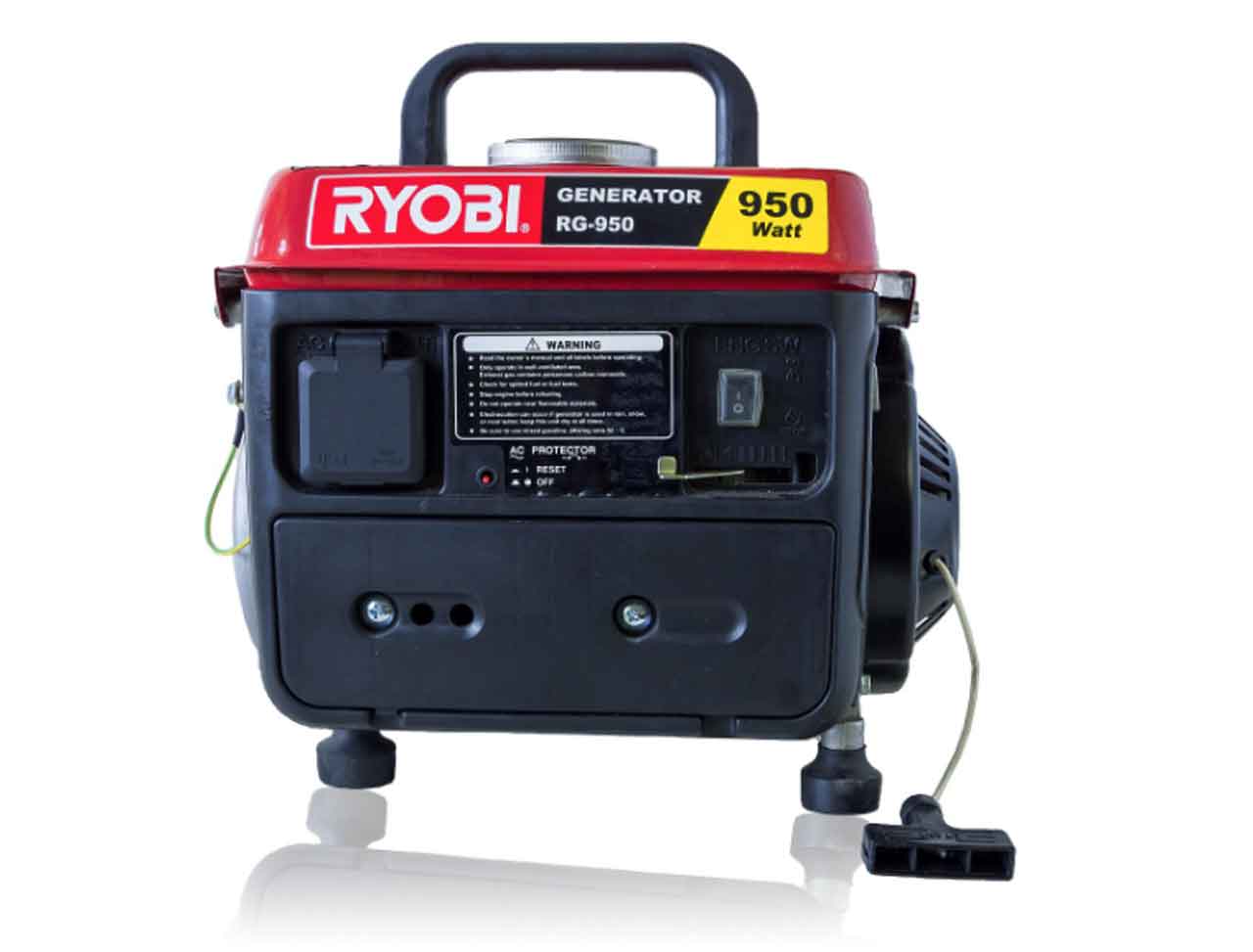
Compared to traditional fuel-powered generators, portable power stations have some clear advantages, though they also have limitations. While they can’t match the raw output of large gas generators for running heavy-duty appliances over long periods, they excel in portability, convenience, and environmental impact. They require virtually no maintenance, make no noise, and can be safely used indoors. For many people, especially those who value mobility and clean energy, these benefits outweigh the reduced capacity compared to conventional generators.
Future of Portable Power Technology
As technology continues to advance, portable power stations are becoming more powerful, compact, and affordable. Innovations in battery design are increasing storage capacity while reducing charging times, and integration with renewable energy sources like solar panels is becoming more seamless. This progress suggests that portable power solutions will play an even larger role in our daily lives, particularly as society moves toward greener and more sustainable energy practices.
Conclusion:
In conclusion, a portable power station is far more than just a travel accessory — it is a versatile, reliable, and eco-friendly source of energy that can fit into nearly any lifestyle. From outdoor adventures to professional fieldwork and emergency preparedness, it offers a level of independence and convenience that traditional power sources simply cannot match. With the right model and proper care, it can serve as a dependable partner for years, ensuring that no matter where you are, you always have power at your fingertips.