Investment will strengthen seasonal lifelines for 24,000 residents, support local economies, and improve safety
Thunder Bay, ON — The Ontario government is increasing annual funding for the Winter Roads Program to $13 million, ensuring the construction and maintenance of nearly 3,200 kilometres of seasonal roads that link 32 remote First Nation communities and the Town of Moosonee to Ontario’s all-season highway network.
The investment comes as the province faces economic uncertainty, including the impact of U.S. tariffs.
Officials say the funding will protect northern families and businesses by keeping essential transportation routes open and safe during the short winter road season.
A Lifeline for Remote Indigenous Communities
Winter roads serve as vital lifelines for more than 24,000 people across Northern Ontario, most living in fly-in First Nations.
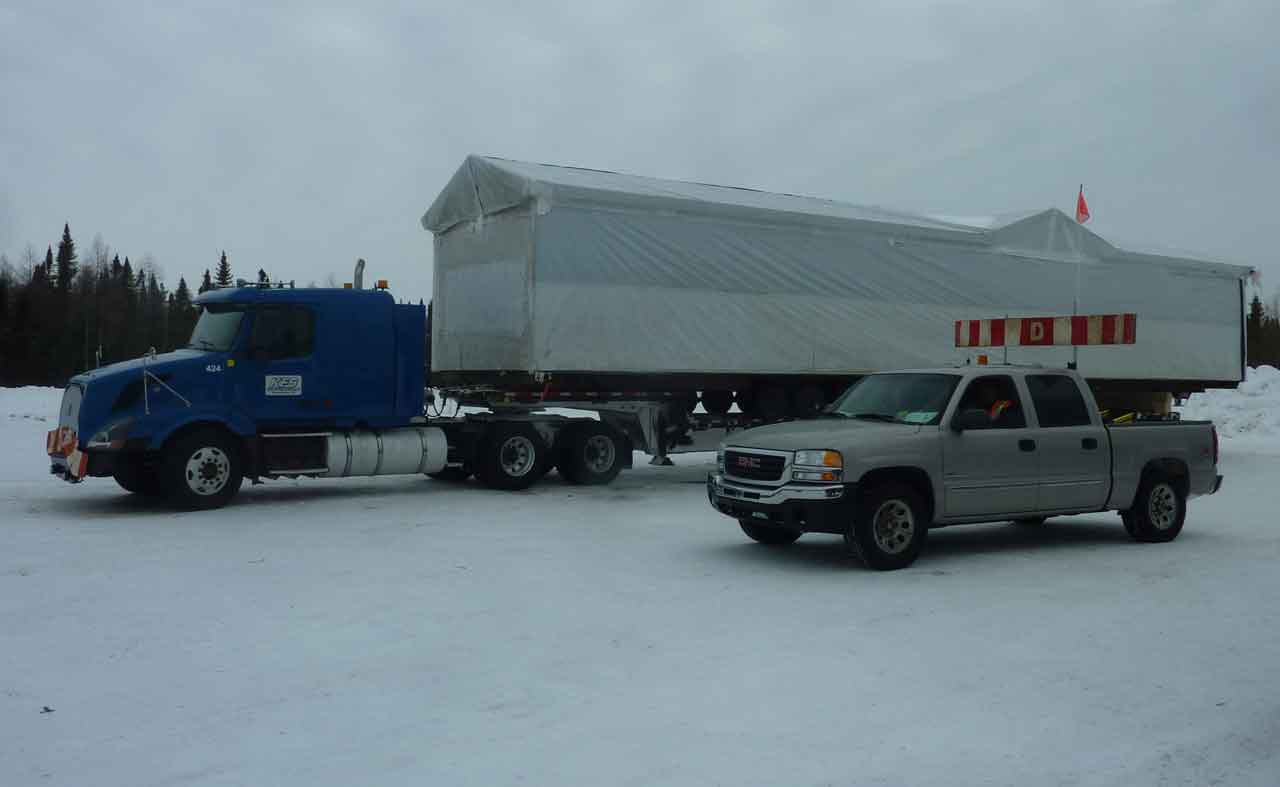
These temporary routes allow communities to bring in essential goods such as food, fuel, medical supplies, and building materials at significantly lower costs than air transport.
“Winter roads are a lifeline for northern communities that keep people connected and help local businesses move goods and supplies,” said George Pirie, Minister of Northern Economic Development and Growth. “This investment will strengthen the seasonal road network, improve access to services, and help Northern Ontario remain resilient.”
For many communities, these roads also connect people to cultural gatherings, sporting events, family visits, and healthcare appointments that would otherwise require costly flights.
Funding Breakdown
-
$8 million: To build and operate the 3,200 km of winter roads for the 2025 season.
-
$5 million: Through the Bridges and Culverts Stream to help remote First Nations install pre-engineered bridges and culverts, repair existing structures, and conduct geotechnical studies for future crossings.
“Winter roads are lifelines for remote Indigenous families, connecting communities and commerce across the Far North,” comments Greg Rickford, Minister of Indigenous Affairs and First Nations Economic Reconciliation. “This investment strengthens those corridors and reflects our commitment to meaningful reconciliation through infrastructure that supports opportunity and future prosperity.”
Quick Facts
-
At 3,200 km, Ontario’s winter roads network is the longest in Canada.
-
Serves 32 remote First Nation communities and the Town of Moosonee.
-
Typically open 6–11 weeks per year (late January to late March).
-
Winter road upgrades improve safety, support local economies, and ensure timely delivery of goods.