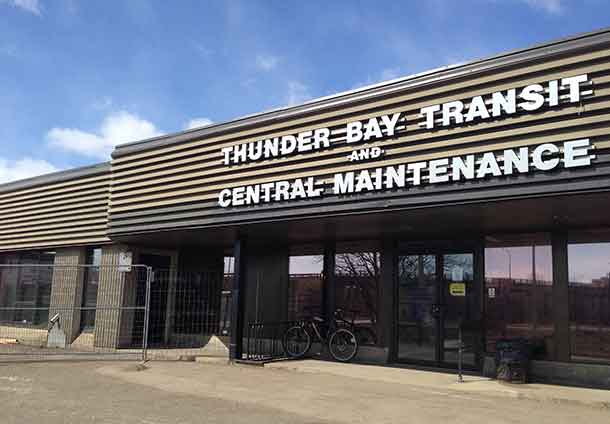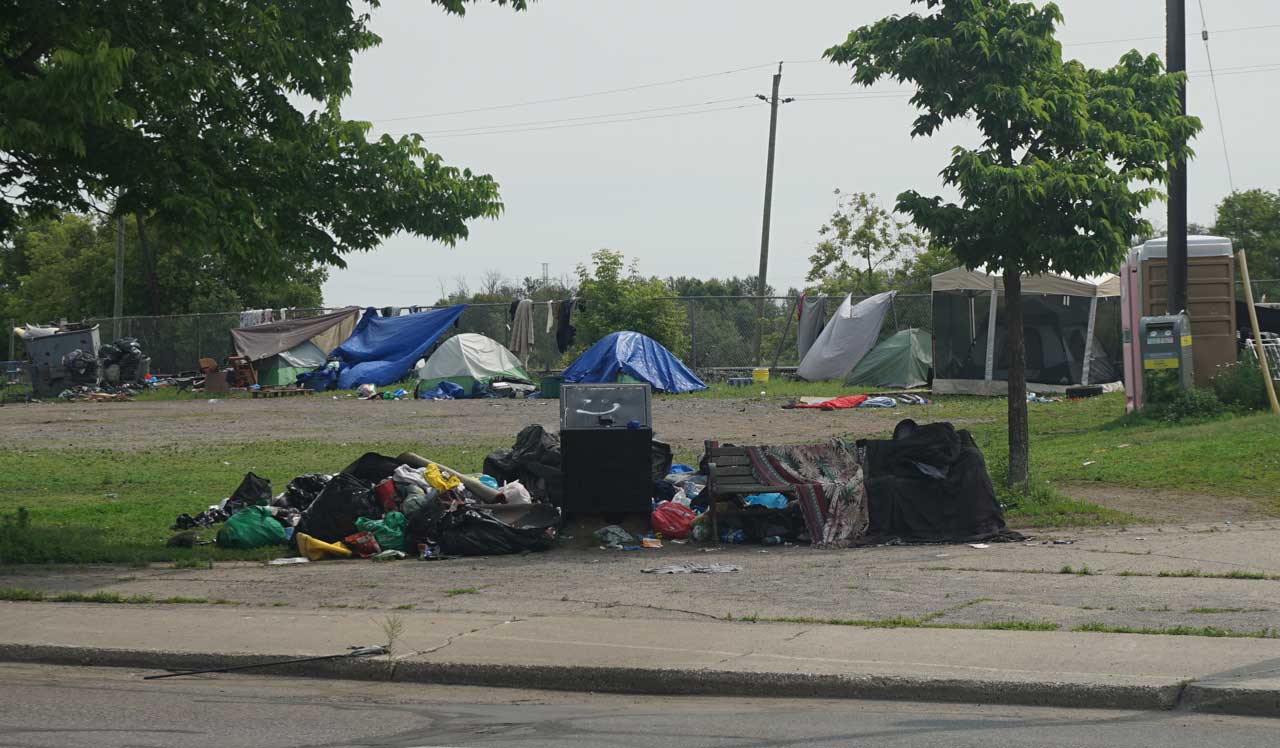
Thunder Bay – ANALYSIS — Across the city of Thunder Bay, along waterways, in city parks, along roadways, homeless encampments have sprung up, and in many cases are creating real frustration for city homeowners and business owners.
Homeowners and business owners alike are seeing increases in theft, backyard scrounging, and areas that they could once take their children and pets now in effect campgrounds. In many cases these encampments see residents taking an attitude of ownership on what should be public land.
Thunder Bay City Manager John Collin and his administration have taken a “Human Rights Plus” approach to these encampments which basically gives what appears a carte blanche approach.
Police, Fire Rescue and Superior EMS are responding to calls for fires, overdoses, and assaults.
Thunder Bay City Administration has taken to the concept of building an 80 shed encampment as a solution.
The reality is that will do little to solve the real problems.
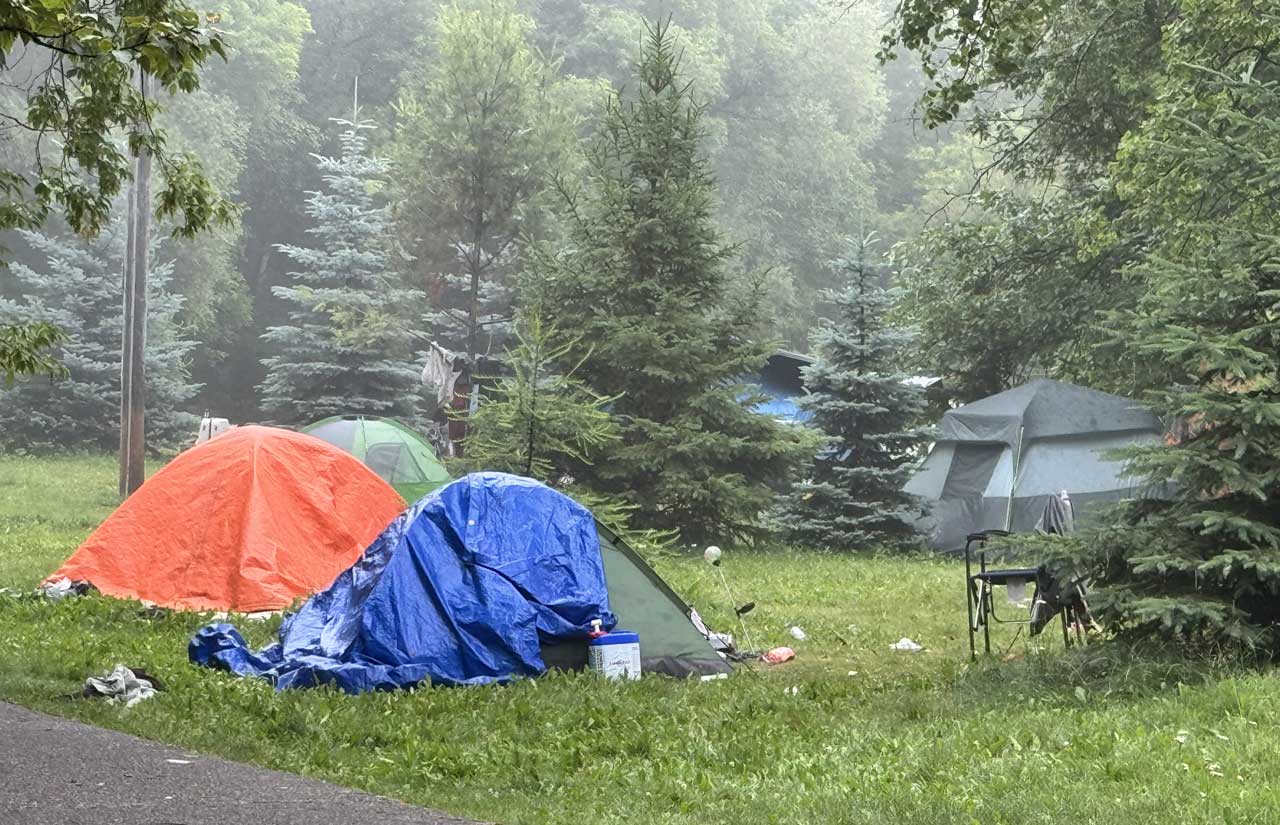
The fact is what is really needed isn’t temporary shelters but actual homes. That the City Admin sees tents and sheds as a solution demonstrates an approach that simply won’t work. If nothing else, climate in Northwestern Ontario will demonstrate that the current approach is not a path to housing the homeless.
While City Administration has steadfastly fired encampment solutions to City Council, none of their proposed solutions will honestly solve the real problems.
The Point in Time homeless census reported over 500 homeless in Thunder Bay. That number is likely far lower than the actual number.
The encampments have spread to all over the City of Thunder Bay. There is, as a result of City Admin and Council no solutions that residents can see as solving the problem.
There is lots of name calling and flip-flopping.
So are their solutions?
Yes. Some cities are looking at this with an eye to working for the taxpayers, residents, homeowners and business owners.
One city is Penticton.
Penticton has updated its Parks Bylaw to set clear rules for temporary overnight sheltering in public spaces while aiming to keep parks usable for everyone.
Council adopted the changes in June 2025, aligning the city’s approach with B.C. court decisions that say people who do not have access to indoor shelter cannot be banned from temporarily sheltering in public places.
What the new rules say
-
Overnight only: Temporary sheltering is allowed 7:00 p.m. to 9:00 a.m. Tents and structures are not allowed during the day.
-
Setbacks and spacing: No sheltering within 15 m of playgrounds, 4 m of trails/sports fields/environmentally or culturally sensitive areas, 50 m of school property, or 15 m of building entrances. Shelters must be at least 4 m apart and, under council’s adopted rules, may be limited in size (up to 9 m²).
-
Where it’s prohibited: The bylaw prohibits overnight sheltering along the two main lake frontages, while allowing regulated sheltering in other eligible park areas.
How Penticton is handling encampments
City Hall, the Province of B.C., and the Penticton Indian Band are working together on a “decampment” of the large Fairview encampment near the Penticton River Channel, citing safety concerns for residents and the community. An eviction notice was issued in June 2025, with outreach and cleanup supported by partners including 100 More Homes Penticton.
Why these rules look this way
B.C. case law shapes what cities can and cannot do. In Victoria (City) v. Adams (2009), the Court of Appeal held that when there aren’t enough shelter beds, a city can’t prohibit people from erecting rudimentary overnight shelter in parks. In Abbotsford (City) v. Shantz (2015), the court reinforced that principle and recognized time-of-day limits like 7 p.m. to 9 a.m. More recently, courts have refused encampment evictions where accessible shelter space is lacking, as seen in Prince George (City) v. Stewart and the city’s later decision to withdraw its appeal and change approach. Together, these rulings explain why Penticton can regulate the time, place, and manner of sheltering—but cannot impose a blanket ban when indoor options are inadequate.
What’s next
Penticton says the bylaw update is part of a broader homelessness strategy that includes outreach, shelter and housing partnerships, and clearer park-use expectations. The city has also been engaging residents on ideas such as a Safe Public Places Bylaw to set consistent behaviour standards in public areas.
Could This Work in Thunder Bay?
It would take real courage from City Manager John Collin, Mayor Ken Boshcoff, City Admin and City Council.
Instead of putting the Human Rights Plus approach, they could use the rules already in place and still meet Court Rulings on homeless encampments.
It could mean that the Thunder Bay District Social Services Administration produce an inventory of unused units in the current housing system, and give the facts to Council and Admin.
There are real solutions, they are just harder than grabbing for grants from senior levels of government.
That of course is just my viewpoint, as always your mileage may vary.
For tired city residents, it is hoped that there is some real courage in city leadership.
James Murray