As climate change intensifies and power grids face mounting pressures, the need for reliable, sustainable energy solutions has never been more critical. Modern portable energy storage systems represent a transformative shift away from traditional fossil fuel dependency, offering homeowners unprecedented control over their power supply. At the forefront of this revolution is modular design technology, which enables users to customize and expand their energy systems according to evolving needs. These innovative systems seamlessly integrate with solar panels and hybrid inverters, creating a robust ecosystem that supports energy independence while reducing environmental impact. By combining cutting-edge battery technology with smart power management, modular energy storage systems are not just backup solutions – they’re gateways to a more sustainable, resilient future where clean energy is accessible, adaptable, and reliable for everyone.
Portable Energy Storage Systems: Revolutionizing Personal Power
The evolution of personal power solutions has taken a quantum leap from traditional generators to advanced lithium-ion storage systems. These modern powerhouses combine high-capacity batteries, sophisticated inverters, and multiple connection ports into compact, user-friendly units. Companies like Anern are leading this transformation with silent, emission-free operations that make their systems ideal for both emergency backup and regular daily use. Their true strength lies in mobility – users can easily transport them between locations, power outdoor activities, or create temporary workstations anywhere. Market analysts project the portable energy storage sector to grow by 250% over the next five years, driven by increasing energy security concerns and environmental awareness. Each system deployed potentially reduces carbon emissions by up to 1,000 pounds annually when replacing gas generators, while their ability to store and utilize renewable energy makes them crucial tools in the fight against climate change. The accessibility of these systems has democratized clean energy storage, allowing more households to participate in the sustainable energy revolution regardless of their living situation.
Modular Design: The Heart of Customizable Energy
Modular architecture in energy storage represents a fundamental shift in how we approach power management. At its core, this design philosophy allows users to start with a basic system and expand capacity through standardized, interconnecting components. Unlike traditional fixed-capacity systems, modular solutions enable homeowners to precisely match their energy needs while avoiding overinvestment. Each battery module functions as an independent unit that can be hot-swapped without system downtime, ensuring continuous power availability. This flexibility extends beyond mere capacity – users can integrate specialized components for specific applications, from high-output modules for power tools to long-duration storage for extended outages. The environmental impact is equally significant, as modular design dramatically reduces electronic waste through component-level repairs and upgrades rather than whole-system replacement. Consider the Thompson family’s journey: starting with a modest 10kWh system for essential backup, they gradually expanded to 40kWh over three years as they added solar panels and an electric vehicle. Their modular approach allowed strategic investment timing while maintaining system efficiency, demonstrating how scalable architecture adapts to evolving household energy demands without requiring complete system overhauls. This adaptability, combined with the ability to upgrade individual components as technology improves, makes modular systems a future-proof investment in sustainable energy independence.
Solar Panels and Portable Systems: A Renewable Powerhouse
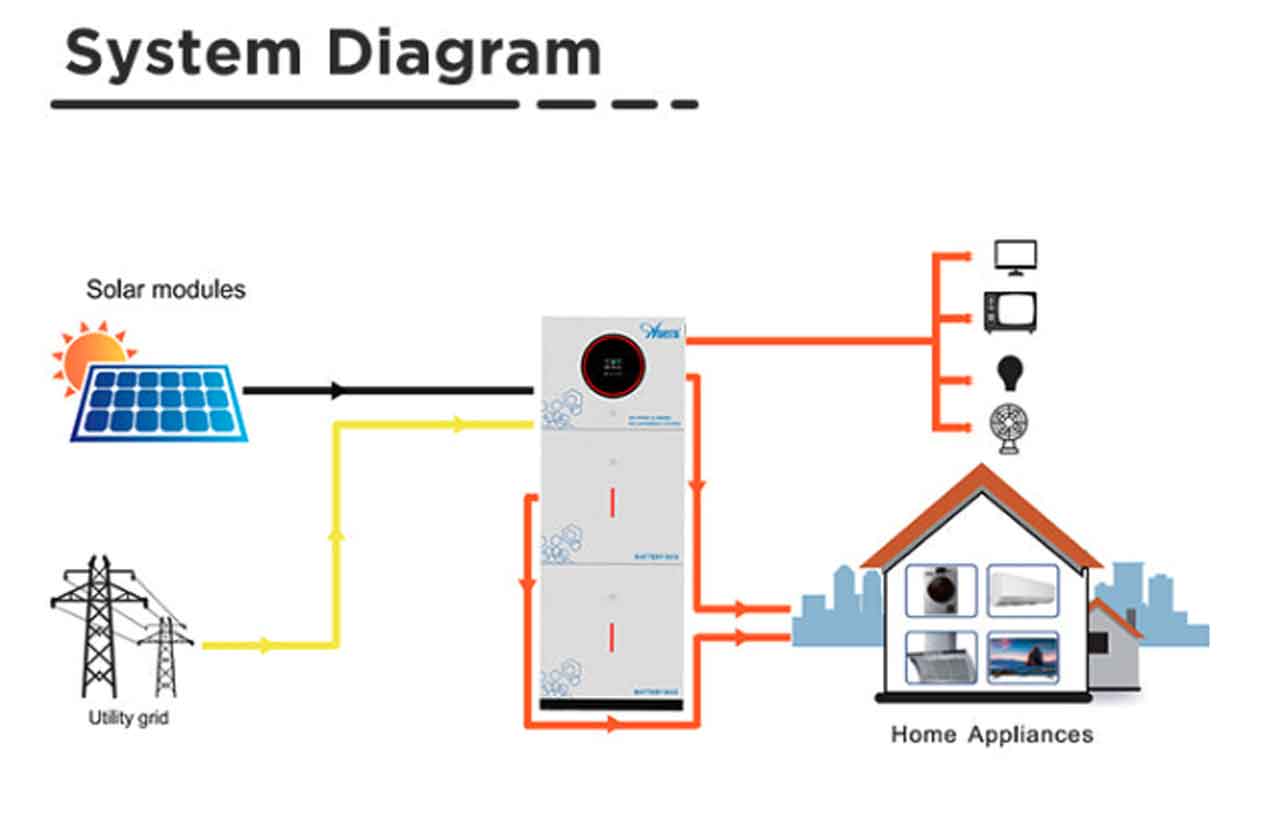
The integration of solar panels with portable energy storage systems creates a powerful synergy that maximizes renewable energy utilization. Modern solar setups require specific connectors and charge controllers designed to optimize power transfer from panels to storage units. These components work together to capture maximum energy during peak sunlight hours, typically converting 15-20% of solar radiation into usable electricity. For optimal performance, solar arrays can be configured either as roof-mounted installations, which save ground space and often capture more direct sunlight, or ground-mounted systems that offer easier maintenance access and flexible positioning. To maintain consistent power supply during nighttime or overcast conditions, smart storage algorithms automatically regulate charging cycles and energy distribution. Regular maintenance ensures peak system efficiency – this includes quarterly panel cleaning, annual connection inspections, and monitoring charge controller performance. By implementing these strategies, households can achieve up to 90% solar utilization rates during daylight hours, significantly reducing reliance on grid power while maintaining reliable energy access through integrated storage systems.
Hybrid Inverters: Bridging Solar, Battery, and Grid
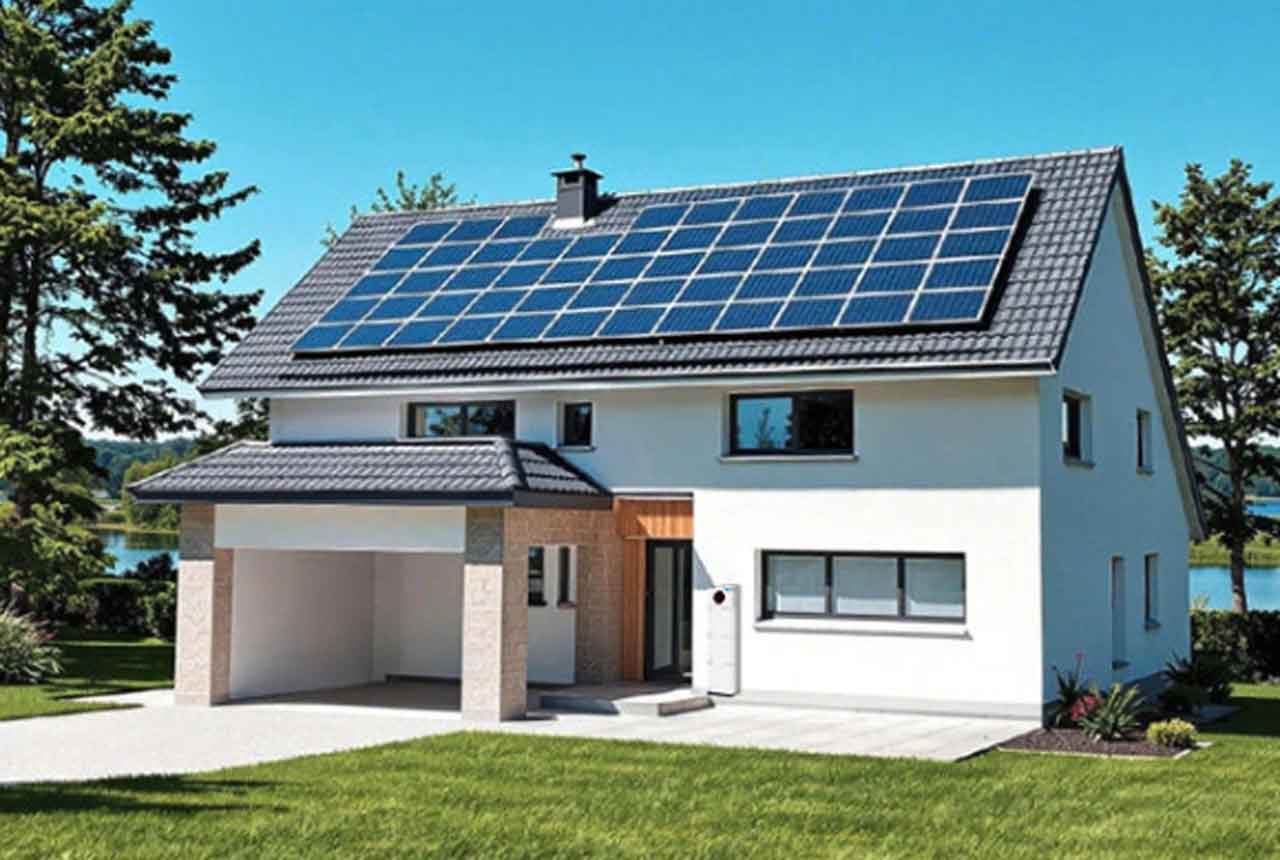
Hybrid inverters serve as the intelligent brain of modern portable energy systems, orchestrating power flow between multiple sources. These sophisticated devices seamlessly manage the transition between solar generation, battery storage, and grid power, ensuring uninterrupted electricity supply. Through advanced algorithms, hybrid inverters automatically prioritize renewable energy usage, drawing from solar panels during daylight hours and stored battery power before accessing grid electricity. During power outages, these systems instantly activate backup power within milliseconds, protecting sensitive electronics and maintaining critical operations. Their modular compatibility allows for easy integration with expanding battery capacity – a single hybrid inverter can typically manage up to 80kWh of storage while maintaining 98% conversion efficiency. This marks a significant improvement over traditional string inverters, which average 94-96% efficiency and lack integrated battery management capabilities. The latest hybrid inverters also feature built-in monitoring systems that optimize power distribution based on real-time usage patterns, maximizing self-consumption of solar energy and reducing reliance on grid power.
Breaking Grid Reliance: Pathways to Energy Autonomy
Traditional power grid dependence exposes households to increasingly frequent outages and rising carbon emissions from fossil fuel generation. Modern modular energy systems offer a structured path to energy independence that protects against these vulnerabilities. Starting with essential backup coverage for critical circuits, homeowners can systematically expand their systems to achieve comprehensive power autonomy. A typical transition begins with a 10-20kWh battery system supporting essential loads, then scales to whole-house coverage through additional battery modules and solar capacity. This graduated approach allows for strategic investment while maintaining system efficiency. Community microgrids demonstrate the broader potential – the Oak Ridge neighborhood project connects 50 homes through interconnected modular systems, providing shared backup capacity and reduced peak demand charges. Their implementation resulted in an 85% reduction in grid dependence and eliminated 125 tons of annual carbon emissions. Individual success stories are equally compelling: the Martinez family in California achieved 80% grid independence within two years using a scalable 40kWh system with 15kW of solar panels. Their modular approach allowed them to optimize their investment timing while maintaining consistent power quality, demonstrating how strategic system scaling can lead to sustainable energy autonomy.
Implementation Guide: Building Your Sustainable Energy System
Creating a sustainable energy system begins with a comprehensive energy audit. Start by documenting all household appliances, their power ratings, and daily usage patterns to calculate your baseline energy requirements. For accurate sizing, monitor peak loads during high-demand periods using a smart meter. When selecting solar panels, prioritize efficiency ratings and warranty coverage over initial cost – high-performance panels typically offer 20-25% conversion efficiency and 25-year warranties. Choose expandable battery systems that allow additional modules without replacing core components. For hybrid inverter selection, calculate your maximum simultaneous power draw and add 20% capacity for future growth. During installation, ensure proper ventilation for battery enclosures, maintain recommended clearances for heat dissipation, and install surge protection devices at all critical connection points. Establish a maintenance schedule including monthly system performance reviews, quarterly solar panel cleaning, and annual professional inspections of electrical connections. Take advantage of federal tax credits covering up to 30% of system costs, and investigate state-specific incentives like net metering programs. Many utilities offer additional rebates for systems that can participate in demand response programs, potentially reducing initial investment by 40-50%.
Powering a Sustainable Future Through Innovation
The transition to modular energy storage systems represents a pivotal shift in how we approach sustainable power. These versatile systems offer unprecedented flexibility, allowing households to start small and expand according to their needs while maintaining optimal efficiency. The seamless integration of solar panels and hybrid inverters creates a robust ecosystem that maximizes renewable energy utilization, reducing both carbon emissions and utility costs. As communities face increasing grid instability and climate challenges, modular storage solutions provide a clear path to energy independence without requiring massive upfront investments. By adopting these systems, homeowners not only secure their own power supply but also contribute to a broader transformation of our energy landscape. The cumulative impact of widespread adoption could dramatically reduce fossil fuel dependence while building more resilient, sustainable communities. Whether starting with basic backup power or aiming for complete grid independence, modular energy storage systems offer a practical, scalable solution for powering our sustainable future. The time to embrace this technology is now – every system deployed brings us closer to a cleaner, more resilient energy ecosystem.