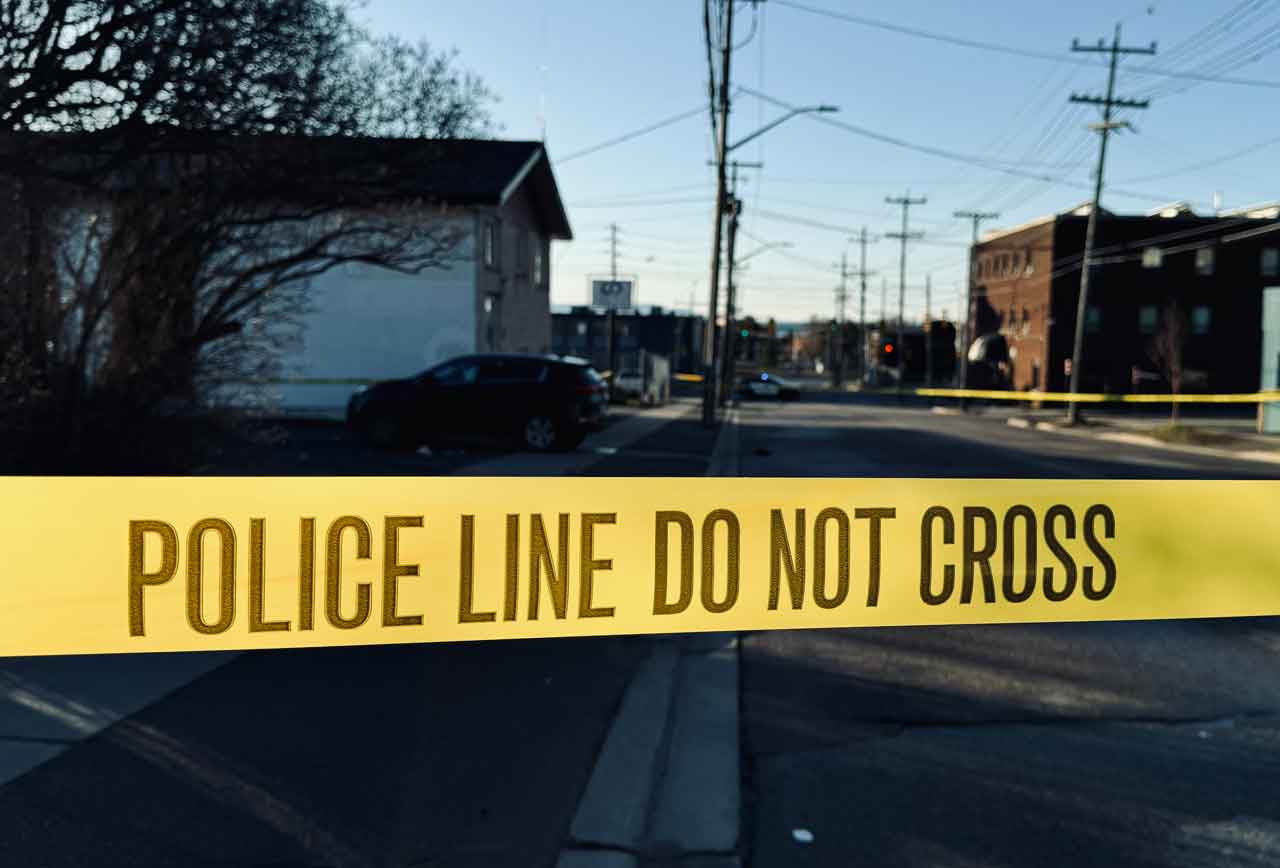
Homicide on Camelot Street in May 2024
THUNDER BAY, ON – Brady Nugent of Thunder Bay man has plead guilty to a charge of manslaughter in connection with a 2024 incident that left one man dead.
Just after 2:30 a.m. on May 4, 2024, Thunder Bay Police Service officers were called to the area of Camelot Street and St. Paul Street. Officers found Blouin injured.
He was taken to hospital and later died.
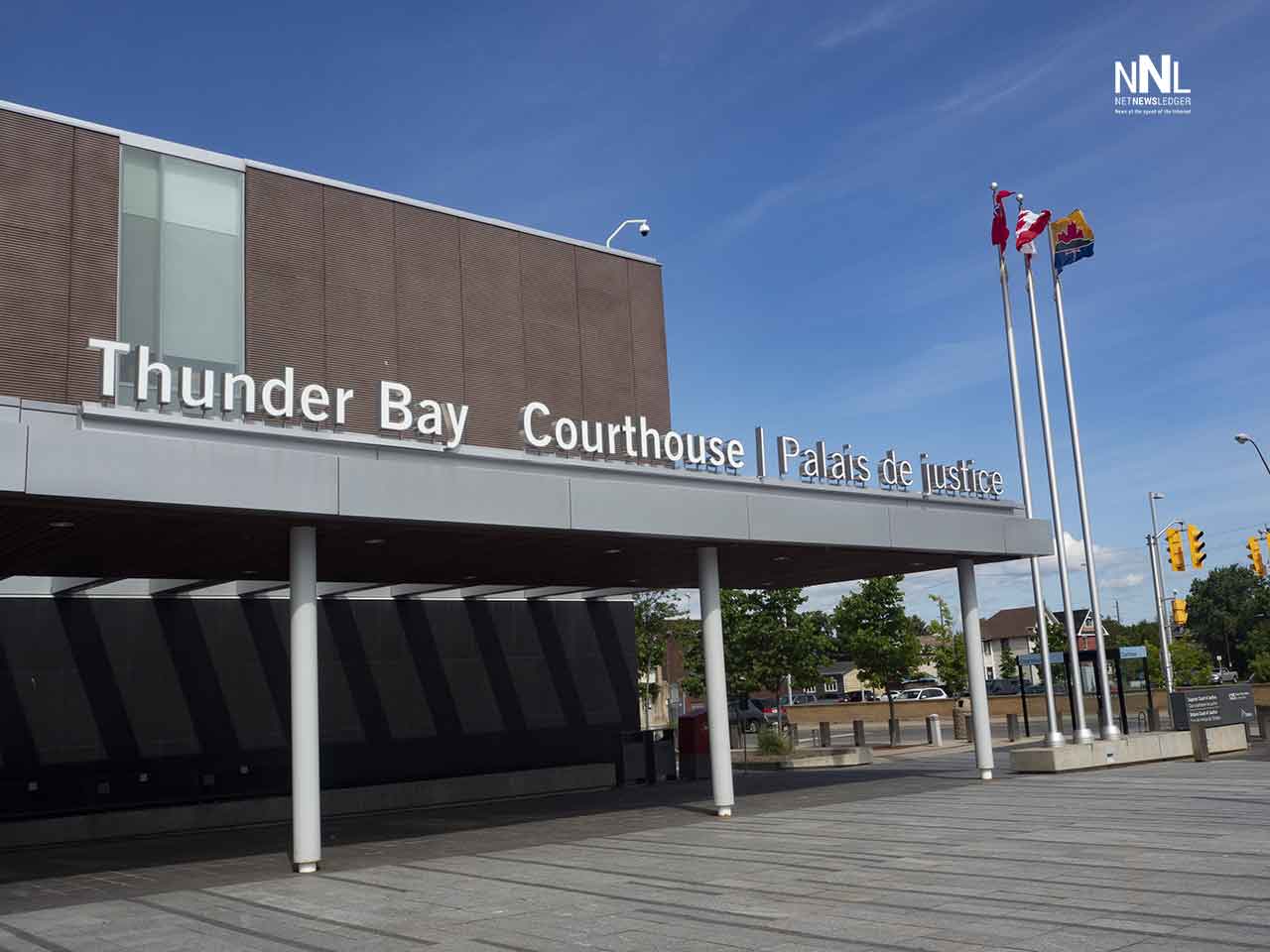
Brady Nugent, 23, was originally charged with second-degree murder. On August 6, 2025, he pleaded guilty to manslaughter at the Thunder Bay Courthouse.
Police said the victim and the accused were known to each other, and no firearm was involved. Nugent later turned himself in to police.
The case is scheduled to return to court in October. A sentencing date has not yet been set.
What is Manslaughter and What are the Possible Sentences?
Short answer: from probation all the way up to life in prison—with a mandatory minimum of 4 years if a firearm was used. The exact sentence depends on the facts, the offender’s background, and Canadian sentencing principles.
The legal ceiling and floors
-
Maximum: Life imprisonment. This is set in the Criminal Code.
-
Minimum: 4 years if a firearm was used in committing the offence. If no firearm, there’s no mandatory minimum.
Types of sentences a judge can impose (adult court)
-
Prison (custodial) sentence: From short terms to many years, up to life in the most serious cases. Eligibility for full parole on fixed-term sentences is after one-third of the sentence (or 7 years, whichever is less). If a life sentence is imposed for manslaughter (rare), parole eligibility is after 7 years (not automatic release).
-
Conditional Sentence (house arrest): Possible in non-firearm manslaughter only if the jail term would be under 2 years and the judge finds it won’t endanger public safety. Parliament expanded access to conditional sentences in 2022; they remain unavailable where a mandatory minimum applies (so not available if a firearm was used). These are legally possible but rare for manslaughter given its gravity.
-
Suspended sentence with probation: Legally available (because there’s no minimum sentence in non-firearm cases); the court can suspend passing sentence and place the person on probation. Again, this is uncommon for manslaughter.
-
Probation added to short jail terms: Judges can tack on up to 2 years of probation to sentences of under 2 years.
Parole and possible delays
-
For fixed-term sentences, full parole is generally at one-third of the sentence (or 7 years, whichever is less). That’s eligibility only—release must be granted by the Parole Board.
-
Judges can also delay parole eligibility for violent offences (which include manslaughter) to one-half of the sentence or 10 years, whichever is less, where denunciation or deterrence calls for it according to the Justice Laws Website
Common add-on orders
-
Firearms prohibition: Courts must impose a weapons prohibition when certain conditions are met (and may do so in other cases). Expect a prohibition, especially if a firearm was involved.
-
DNA order: Courts typically make a DNA order after a manslaughter conviction under the DNA provisions of the Code.
Bottom line for coverage
For NetNewsLedger readers: Manslaughter sentencing is highly fact-driven. In non-firearm cases, the law allows a wide range—from community-based outcomes in rare situations to lengthy penitentiary terms. If a firearm was used, the floor is 4 years, and sentences often rise well above that depending on the facts.
(Youth cases follow the Youth Criminal Justice Act and have different limits.)