Open Alcohol and Cannabis Consumption: What Ontario Law Says – And How It’s Enforced Locally
Thunder Bay sees growing concerns over public intoxication and its impact on community spaces
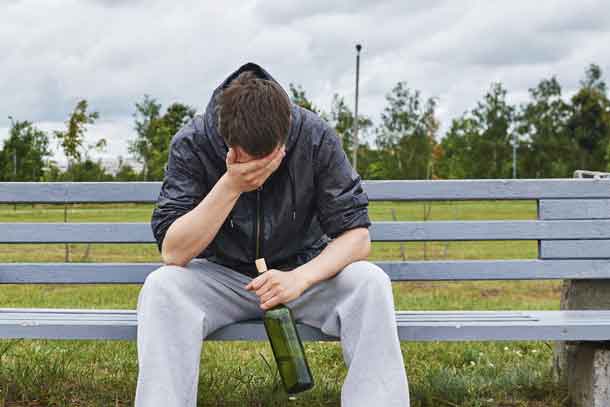
THUNDER BAY – On hot summer days, it’s not uncommon to spot people across the city openly drinking beer, cider, or spirits. Increasingly, the scent of cannabis can also be detected in parks, sidewalks, and public gathering areas.
Business owners across the city are seeing increased evidence from the problem. Broken windows, excrement on their sidewalks and doorways, and broken glass on the sidewalks.
Taking the family pet for a walk can become a real issue trying to avoid broken glass.
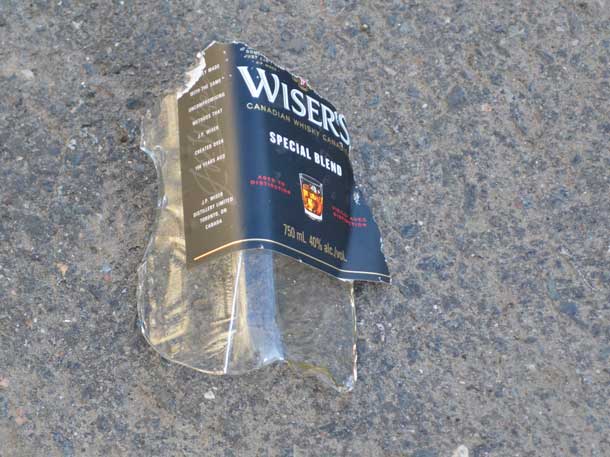
While for some it’s a casual way to relax, others see a troubling side — people passed out from alcohol overconsumption or visibly impaired from drugs in spaces meant for families and recreation.
This raises a key question: what exactly do Ontario’s laws say about public drinking and cannabis use, and what additional rules do municipalities like Thunder Bay have in place?
Alcohol – Provincial and Local Rules
Under Ontario’s Liquor Licence and Control Act, 2019 (LLCA), it is illegal to:
-
Consume alcohol in a public place that is not a licensed premises or private residence.
-
Possess open, unsealed alcohol containers in public areas unless allowed by a permit.
-
Be intoxicated in a public place.
Thunder Bay bylaws reinforce these rules. The Parks and Open Spaces Bylaw bans alcohol in all municipal parks, beaches, trails, and recreation areas unless a Special Occasion Permit is issued by the Alcohol and Gaming Commission of Ontario (AGCO) and approved by the City.
The Streets and Sidewalks Bylaw allows enforcement against disorderly conduct linked to public drinking.
Cannabis – Legal But Not Everywhere
Cannabis is regulated by Ontario’s Cannabis Control Act, 2017 and the Smoke-Free Ontario Act, 2017. Unlike alcohol, cannabis can be consumed in many public spaces — but there are key exceptions:
-
Allowed: Most sidewalks, public parks, and other outdoor spaces where tobacco smoking is permitted.
-
Prohibited: Enclosed public places, workplaces, restaurant patios, school grounds, playgrounds, sports fields, and within 20 metres of these areas.
-
Cannabis use is also banned in vehicles and boats, whether moving or parked (unless being used as a temporary or permanent living space).
Thunder Bay applies provincial rules and can add restrictions for specific municipal properties.
For example, the City bans smoking or vaping cannabis in facilities and event spaces where families gather, even outdoors.
Public Health and Safety Concerns
Local emergency responders report that extreme heat combined with alcohol or cannabis use increases the risk of dehydration, heat stroke, and impaired judgment.
Public intoxication — whether from alcohol or cannabis or harder drugs — creates safety hazards for both the individual and others in the area.
Public health advocates stress that while laws and bylaws set boundaries, real solutions involve access to cooling spaces, outreach programs, and addiction support services. Enforcement alone, they say, cannot address the root causes of visible public intoxication.
Often in the case of intoxicated people, police, fire rescue and EMS respond. It is a costly means of dealing with what appears a growing problem.
So What, if Anything Can be Done?
Ontario law prohibits open alcohol consumption in public spaces, and Thunder Bay bylaws reinforce those rules in parks, streets, and public facilities.
However, enforcement is just one part of the picture. Addressing the visible impacts of public drinking — from safety hazards to community concerns — means combining legal measures with social supports to reduce harm for vulnerable residents and maintain public safety for everyone.
Thunder Bay already sees the courts loaded with cases, and case backlogs are running into years in some situations. Arresting and charging everyone would likely require a massive increase in the budget for police in the city.
The courts often see judges simply releasing persons who appear before them with conditions that include no drugs or alcohol. For an addict, in custody with no easy access to drugs or alcohol, they will agree to those conditions, with in reality no ability to actually comply.
It would be like releasing a diabetic person under the conditions they no use insulin. Pointless.
Without enough infrastructure for drug and alcohol treatment, the problem will simply grow increasingly worse.
It comes down to all levels of government working with social agencies and program facilities to work toward real solutions.