Walking Pad: Space-Saving Fitness with Quiet Operation
As remote work becomes the new norm, professionals face an increasingly sedentary lifestyle that poses serious health risks. Traditional exercise equipment often proves impractical for home offices, demanding too much space and creating disruptive noise. Enter the walking pad – an innovative fitness solution that’s revolutionizing how we stay active while working from home. These compact, whisper-quiet devices offer a perfect blend of functionality and practicality, allowing users to maintain their fitness goals without compromising their work environment. By incorporating advanced shock absorption technology and smart design features, walking pads address the key challenges of space constraints, noise concerns, and joint impact that have historically limited workout options in home office settings. Discover how this breakthrough technology is transforming the way remote workers balance productivity and physical activity, all while protecting their long-term health and maximizing limited space.
The Home Office Fitness Revolution: Why Walking Pads Solve Remote Work Challenges
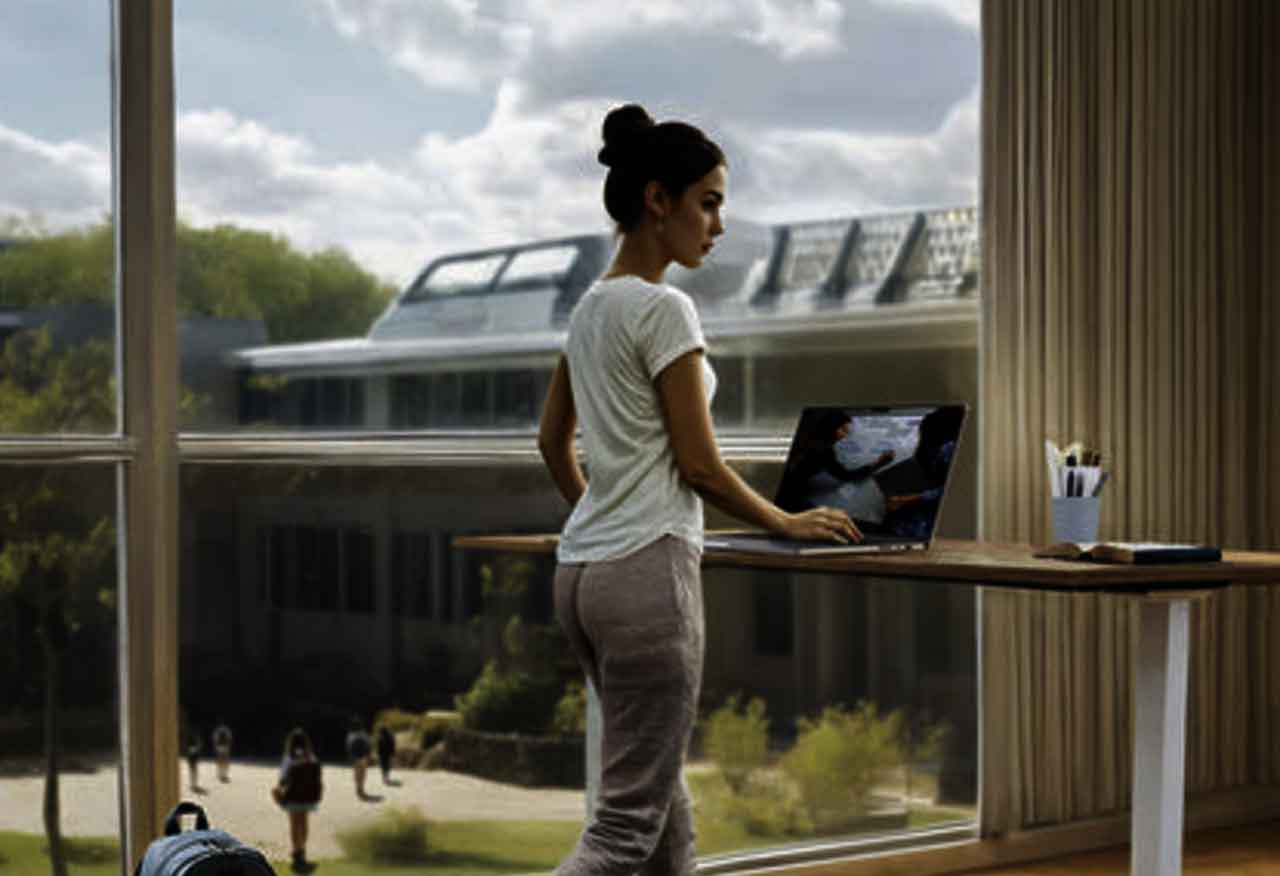
The shift to remote work has created an unprecedented health crisis as professionals spend increasingly longer hours seated at their desks. Studies show that prolonged sitting can lead to serious health issues, including cardiovascular problems, obesity, and musculoskeletal disorders. Traditional exercise equipment like treadmills and stationary bikes present significant challenges in home office settings – they’re bulky, loud, and often incompatible with workspace layouts. Walking pads emerge as an innovative solution specifically engineered for the modern remote worker’s needs. These devices seamlessly integrate physical activity into the workday without disrupting productivity or compromising limited space. Unlike conventional fitness equipment, walking pads are designed to complement rather than compete with office furniture, allowing professionals to maintain movement while participating in video calls, responding to emails, or engaging in focused work. This dual-purpose approach addresses both the physical health requirements and practical constraints of home-based workers, making it possible to achieve recommended daily activity levels without sacrificing valuable work hours or office space.
Space-Saving Engineering: Maximizing Small Home Offices
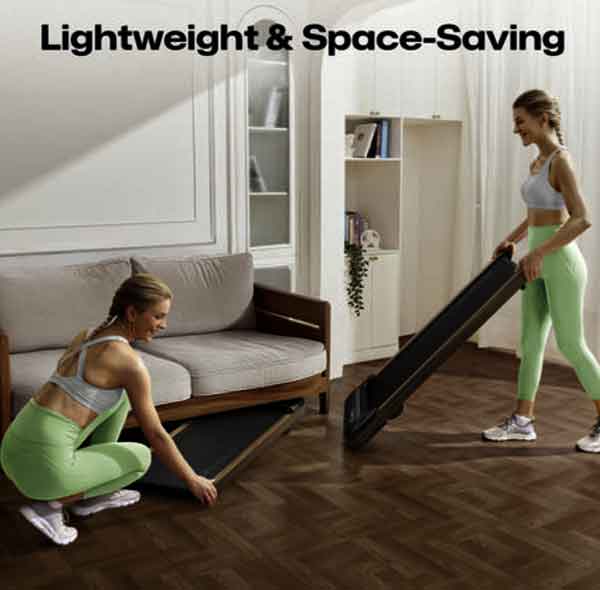
Walking pads revolutionize home fitness through their ingenious space-saving design, occupying just one-third the footprint of traditional treadmills. When not in use, these innovative devices can be stored vertically against a wall or slid underneath a bed, requiring minimal storage space of approximately 5-6 square feet. Their lightweight aluminum construction, typically ranging from 55-70 pounds, enables easy relocation without compromising durability. Most models feature built-in transport wheels and fold to a mere 6 inches in height, making them ideal for under-desk placement. Leading manufacturers like UREVO have perfected this compact design, demonstrating how professionals can successfully integrate walking pads into spaces as small as 80 square feet by adopting smart furniture arrangements. The key lies in their dimensional efficiency: standard walking pads measure roughly 60 inches in length and 25 inches in width when deployed, compared to traditional treadmills that demand 77 inches by 35 inches. This compact footprint allows users to maintain an active lifestyle even in urban apartments or shared office spaces where every square foot counts. The space-saving advantages extend beyond mere storage, as walking pads can seamlessly complement existing office setups without requiring room reconfiguration or furniture replacement.
Quiet Operation Technology: Staying Productive While Walking
Walking pads represent a breakthrough in noise reduction, operating at just 45-50 decibels – comparable to soft library whispers and significantly quieter than typical office conversations at 60-65 decibels. This whisper-quiet operation stems from advanced engineering features, including brushless DC motors that eliminate the mechanical noise common in traditional treadmills. The walking belt utilizes multi-layer sound dampening technology, incorporating specialized rubber compounds and precision alignment systems that minimize friction and vibration transfer. These innovations ensure smooth operation without the distracting whir typically associated with exercise equipment. Users consistently report maintaining clear audio during video calls while walking, with colleagues unaware of any background noise. The motor’s sophisticated speed control system prevents sudden changes that could create sound spikes, while the deck’s floating mount design isolates mechanical vibrations from floor contact. This careful attention to acoustic engineering allows professionals to maintain their walking routine throughout the workday, participating in meetings and focusing on tasks without sound-related disruptions. The combination of these noise-reduction technologies creates an exercise experience that seamlessly integrates into the professional home office environment.
Joint Protection Through Advanced Shock Absorption
Walking pads incorporate sophisticated shock absorption systems that significantly reduce the impact on joints during exercise. Unlike traditional treadmills, these devices utilize multi-layer cushioning technology that disperses force across the entire walking surface. The primary shock absorption mechanism consists of high-density EVA foam layers combined with precision-engineered spring elements, reducing impact forces by up to 40% compared to standard walking surfaces. This advanced cushioning system features variable density zones that respond differently to heel strike and toe-off phases of walking, providing optimal support throughout the entire gait cycle. The deck’s core uses medical-grade viscoelastic polymers that maintain their shock-absorbing properties even after extended use, ensuring consistent joint protection over time. Research indicates that this targeted approach to impact reduction can help prevent common repetitive stress injuries, particularly in the knees, hips, and lower back. The system’s effectiveness stems from its ability to maintain natural walking biomechanics while simultaneously dampening harmful impact forces, making it particularly beneficial for users with existing joint sensitivities or those seeking to prevent future joint issues during long-term use.
Choosing Your Ideal Walking Pad: Feature Comparison
Essential Specifications
When evaluating walking pads, size dimensions emerge as a critical factor, with optimal models measuring between 55-65 inches in length and 20-30 inches in width to balance walkability with space efficiency. Weight capacity typically ranges from 220-350 pounds, accommodating most users while maintaining structural integrity. Speed ranges vary from 0.5-4.0 mph, offering sufficient variety for both casual walking during work and more intense exercise sessions.
Performance Features
Leading walking pads demonstrate shock absorption ratings reducing impact forces by 30-40% compared to standard walking surfaces, protecting joints during extended use. Independent testing reveals noise levels consistently below 50 decibels at normal walking speeds, with premium models achieving near-silent operation at 45 decibels. Control interfaces prioritize accessibility through both physical consoles and smartphone apps, enabling seamless speed adjustments without disrupting workflow.
Home Office Integration Factors
Successful integration requires careful attention to under-desk clearance, with optimal height compatibility ranging from 5-7 inches in folded form. Advanced models feature integrated cable management systems that prevent cord tangles and maintain clean workspace aesthetics. Smart connectivity options enable real-time tracking of activity metrics, schedule coordination, and automated speed adjustments based on calendar events, enhancing the synergy between work and movement.
Implementation Guide: Step-by-Step Home Office Setup
Creating an effective walking pad workspace begins with a thorough space assessment. Measure your available area, ensuring a minimum clearance of 6 feet in length and 3 feet in width for safe operation. Consider traffic patterns and natural light sources when positioning your equipment. For optimal workspace integration, pair your walking pad with an electric standing desk that offers height adjustments between 35-47 inches, accommodating both walking and seated work positions. Implement a graduated usage schedule starting with 15-minute walking sessions twice daily, gradually increasing to 30-45 minute sessions as comfort improves. Monitor walking speed progression beginning at 1-1.5 mph for tasks requiring concentration, advancing to 2-2.5 mph for routine activities like email checking or phone calls. Maintain equipment longevity through weekly belt cleaning, quarterly lubrication checks, and regular tension adjustments. Establish a consistent maintenance schedule: wipe down surfaces after each use, inspect power connections monthly, and conduct thorough quarterly inspections of all moving parts. This systematic approach ensures both optimal performance and sustainable integration into your daily work routine, maximizing the benefits of your walking pad investment while preserving equipment functionality.
Transform Your Work-Life Balance with Smart Fitness Integration
Walking pads represent a transformative solution for the modern remote workforce, offering an elegant balance of functionality and practicality. Their space-efficient design addresses the critical challenge of limited home office space, while breakthrough noise reduction technology ensures uninterrupted productivity during work hours. The advanced shock absorption systems provide essential protection for long-term joint health, making sustained daily movement both comfortable and sustainable. As remote work continues to evolve, walking pads stand at the forefront of workspace wellness innovation, enabling professionals to seamlessly integrate physical activity into their daily routines without sacrificing productivity or comfort. By adopting these versatile devices, remote workers can effectively combat the health risks associated with sedentary behavior while maintaining professional performance. The future of workspace fitness lies in such adaptable, user-friendly solutions that acknowledge both the physical and practical demands of home-based work. Take the first step toward transforming your work routine by exploring how a walking pad can enhance your home office environment, protecting both your health and professional success in our increasingly remote world.