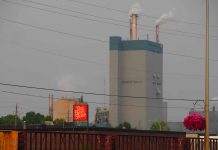
Dense Fog, Hazy Sunshine, and Late-Day Thunderstorm Risk for Dryden Area
Dryden – Weather – Dryden and Vermilion Bay are starting Monday morning in dense fog and saturated air, with visibility near zero. As the fog lifts, sunshine will break through, but haze and a chance of late-day showers and thunderstorms will add complexity to the afternoon. Conditions will improve midweek as cooler, clearer air returns.
Today’s Weather Overview
Current Conditions (as of 6:00 AM CDT at Dryden Airport)
-
Temperature: 16.6°C
-
Dew Point: 16.6°C
-
Humidity: 100%
-
Wind: West at 11 km/h
-
Pressure: 101.8 kPa (steady)
-
Visibility: 0.6 km (dense fog)
-
Condition: Foggy and calm with saturated air
This morning, fog patches will dissipate as sunshine emerges, but hazy skies will linger this afternoon due to lingering wildfire smoke aloft. Clouds will increase throughout the day, leading to a 30% chance of showers and a risk of a thunderstorm late this afternoon.
-
High Temperature: 24°C
-
Humidex: 27
-
UV Index: 8 – Very High
-
Winds: West 20 km/h
Tonight
-
Conditions: Partly cloudy early this evening, with a 30% chance of showers and risk of a thunderstorm before skies clear overnight.
-
Haze will remain in the air overnight.
-
Low: 14°C
Extended Forecast
Tuesday, July 29:
-
Morning: Sunny with local smoke present
-
Afternoon: Becoming a mix of sun and cloud
-
Winds: North 20 km/h gusting to 40, then light by late day
-
High: 22°C
-
UV Index: 8 – Very High
-
Night: Clear, low of 10°C
Wednesday, July 30:
-
Day: Sunny and mild
-
High: 23°C
-
Night: Clear, low of 10°C
Wardrobe & Health Tips
-
Today: Light, breathable clothing is ideal after the fog lifts. Bring a rain jacket or umbrella in case of late-day showers or storms. Consider a mask if sensitive to haze or smoke.
-
Tuesday–Wednesday: With cooler and clearer conditions, lightweight layers and sun protection will be sufficient. Nights may feel brisk, so keep a sweater or light jacket nearby.
Weather Trivia
Did You Know?
Dryden frequently experiences early morning fog in late July when saturated air from overnight cooling meets calm winds. With visibility as low as 0.6 km this morning, this is a classic example of radiation fog — common in calm, clear areas near water bodies like Wabigoon Lake.